Bone density improved at one hip site in overweight older women
In overweight older women, aquatic resistance training improved hip-site bone density more than land-based elastic-tube resistance training or control over 32 weeks, with an effect size of 0.445.
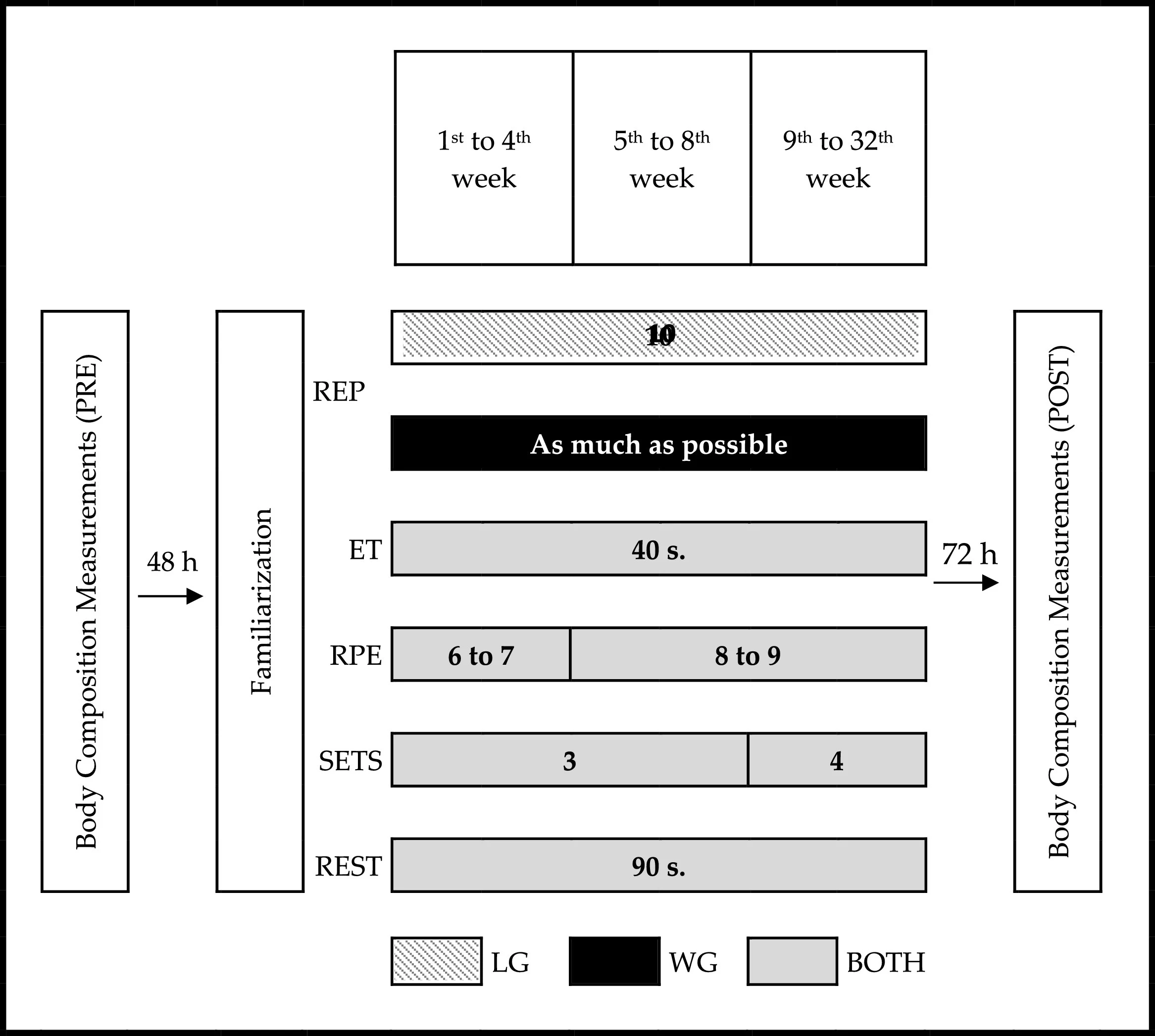
32 weeks
Researchers analysed data from 98 overweight older women, averaging 67.5 years of age, in a secondary analysis of three arms of a six-arm randomised controlled trial. The trial randomly assigned 32 to land-based elastic-tube resistance training, 33 to aquatic resistance training and 33 to a control group. Both exercise groups trained under supervision twice weekly for 32 weeks. Researchers used bone scans to measure bone mineral content and density at the hip and lower spine.
The aquatic group had greater improvements in bone density at Ward’s triangle, a small region of the hip, than both other groups. It also improved more on the T-score, which compares bone density with a young adult reference. The effect sizes, numbers summarising the size of a difference, were 0.445 and 0.412 respectively. Most other bone measures showed no evidence that changes differed between groups.
Why it matters
For older adults who struggle with land-based exercise, the study addressed whether water-based resistance programmes offer an alternative for supporting bone health during aging.
Caveats
The findings came from a secondary analysis of three trial arms, and the reported benefits were site-specific. They do not establish benefits in men or younger women, and the abstract provided no adverse-event data.
- Aquatic resistance training
- Land-based elastic-tube resistance training
- Overweight
- Bone mineral content
- T-score
- Humans
The paper
Universidad Cardenal Herrera CEU; University of Valencia
Archives of Gerontology and Geriatrics, 13 Oct 2026, Open access