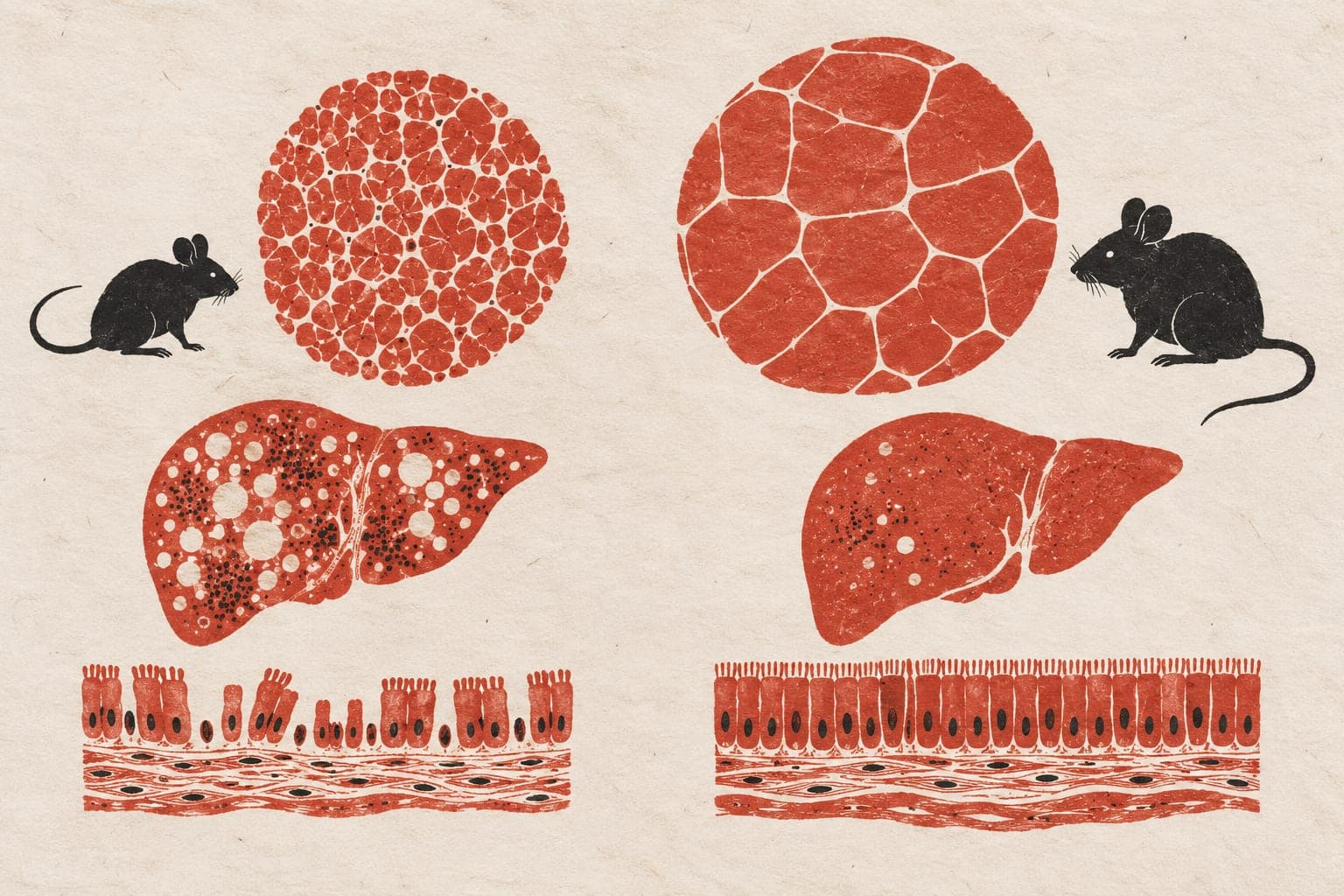
Bands reduced liver fat in postmenopausal women with MASLD
In postmenopausal women with metabolic dysfunction-associated steatotic liver disease, an eight-week elastic band workout reduced a liver fat measure by 36.77 dB/m against controls.
Journal of Science and Medicine in Sport
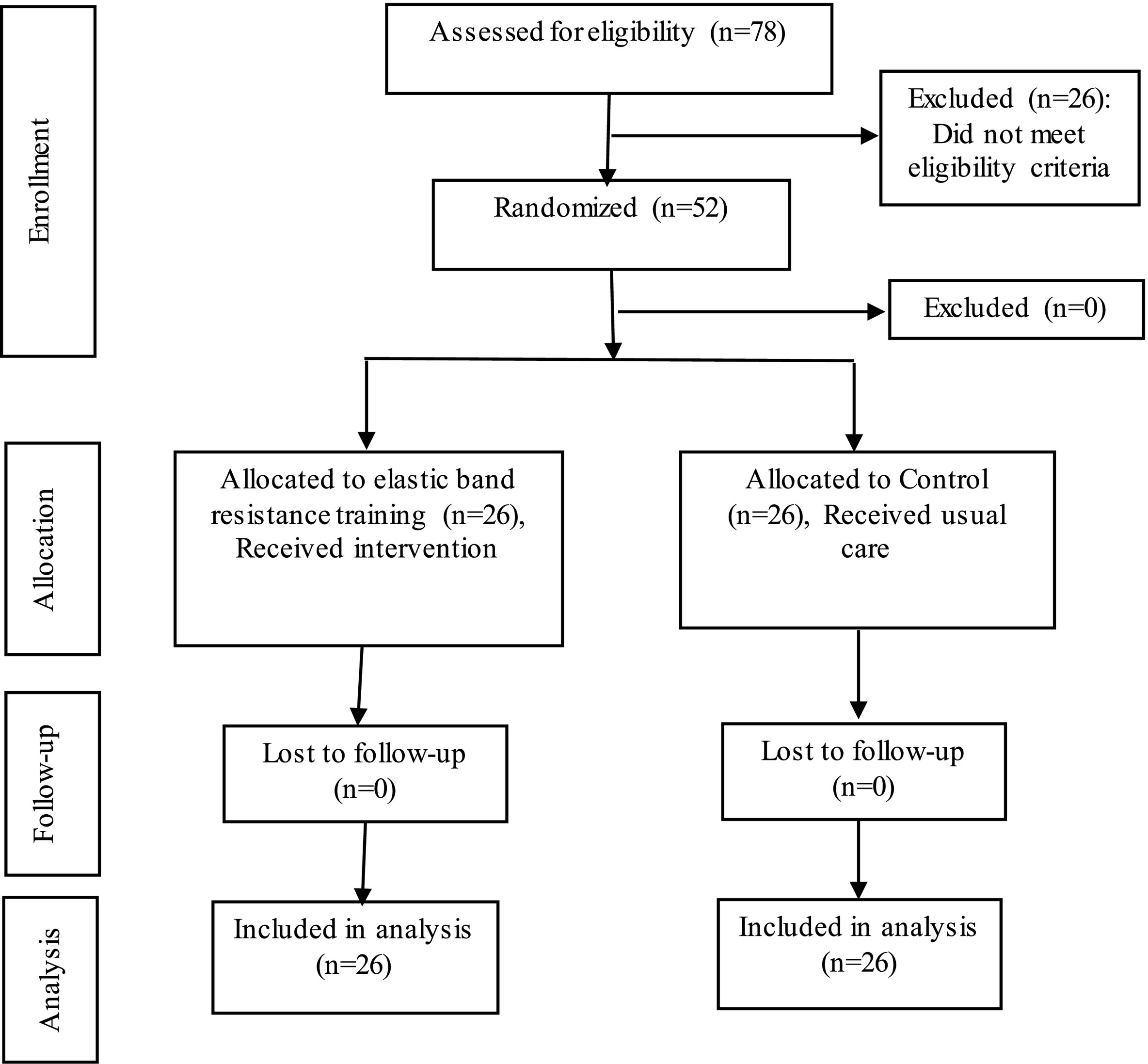
A randomised trial studied 52 postmenopausal women with metabolic dysfunction-associated steatotic liver disease (MASLD), a condition marked by fat build-up in the liver. Researchers assigned 26 women to an eight-week supervised elastic band resistance training programme and 26 women to a control group. Diet and daily steps were monitored throughout. All participants completed the study. Compared with controls, women who trained showed a significant reduction in liver fat, measured as controlled attenuation parameter (β = -36.77 dB/m). Group differences over time also favoured the exercise group for liver stiffness, body mass index, fasting insulin, two liver enzymes, and circulating irisin, a protein released by muscle. Differences for fasting blood sugar, the liver enzyme AST, and an insulin-resistance score were not statistically significant.
Why it matters
The findings bear on whether resistance training can help manage liver and metabolic health during aging. The authors suggest that elastic band resistance training may be a feasible low-impact exercise strategy for postmenopausal women with MASLD.
Caveats
The trial included 52 participants over eight weeks. The authors noted that secondary outcomes should be interpreted cautiously because the analysis did not adjust for multiple comparisons.
- Resistance training
- Lipid and ceramide metabolism
- Metabolic dysfunction-associated steatotic liver disease
- Controlled attenuation parameter
- Liver stiffness
- Humans
The paper
Islamic Azad University of Shahrekord
Journal of Science and Medicine in Sport · 24 Sep 2026