Spermidine protects mitochondria against amyloid-β oligomers
Abstract
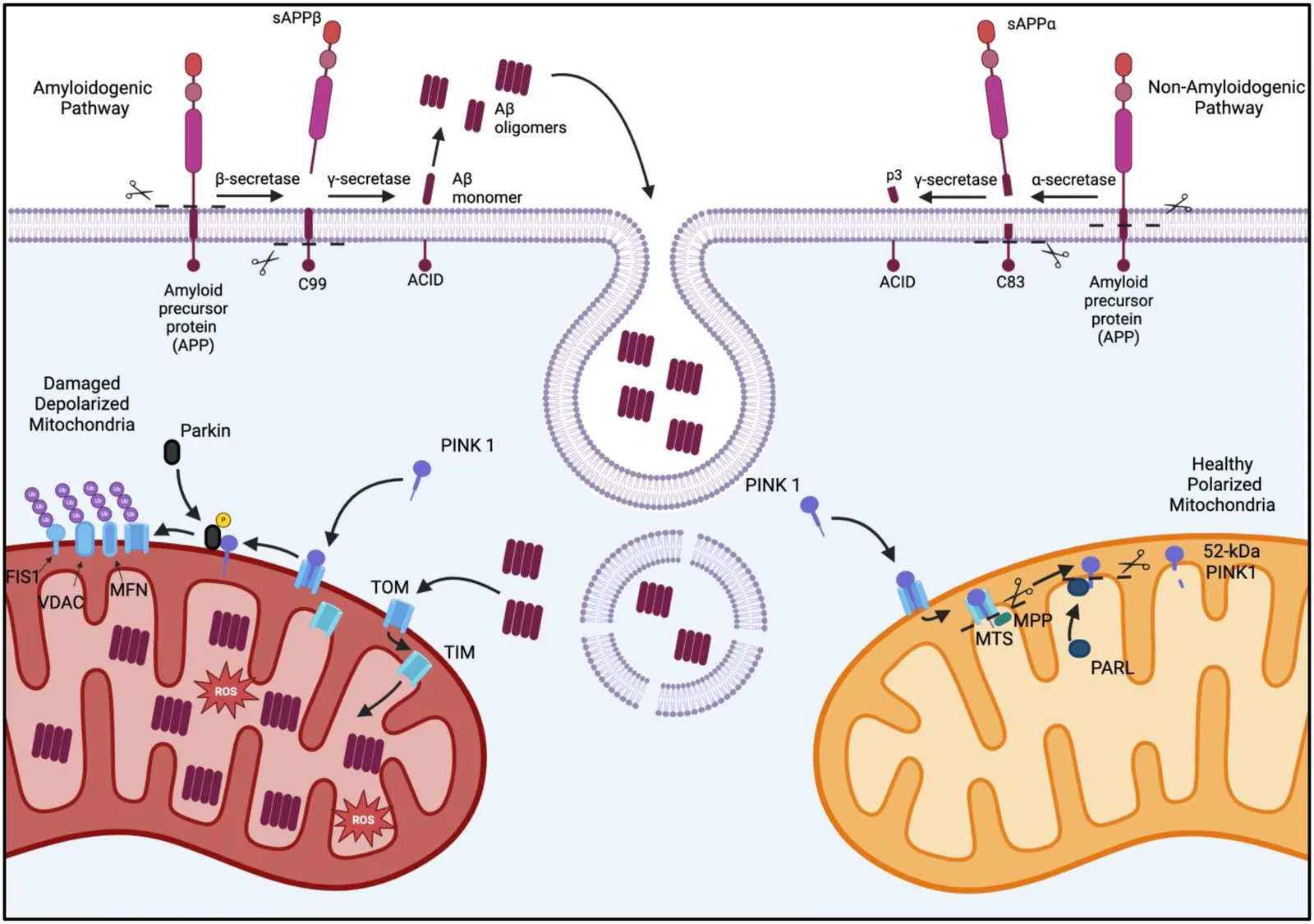
BACKGROUND: Alzheimer's disease (AD) is a neurodegenerative condition characterized by amyloid-β (Aβ) plaques in the brain. In early pathological conditions, Aβ oligomers localize in mitochondria to promote disease progression by causing mitochondrial dysfunction. OBJECTIVE: Establish a robust AD pathological in vitro model and assess the therapeutic effect of spermidine (SPD) against extracellular Aβ oligomers. METHODS: In this study, high-resolution respirometry, flow cytometry, and immunoblotting techniques were used to characterize the negative effects of Aβ oligomer localization in mitochondria and assess the potential neuroprotective effects of SPD. RESULTS: Oligomeric Aβ accumulates in and causes mitochondrial dysfunction, as evidenced by increased mitochondrial superoxide production, decreased mitochondrial mass, and decreased maximal mitochondrial respiration and spare reserve capacity. SPD, an endogenously produced polyamine that can also be provided through exogenous supplementation, improved these markers and protected mitochondria of oligomer-treated cells. CONCLUSIONS: SPD ameliorated mitochondrial dysfunction caused by Aβ oligomers in vitro.
- Spermidine
- Oxidative phosphorylation
- Oxidative stress and ROS signalling
- Mitochondrion
- Alzheimer's disease
- Maximal mitochondrial respiration
The paper
University of Guelph
Journal of Alzheimer's Disease Reports, 7 May 2026, Open access