Icariin eases cognitive deficits and inflammation in mice
In APP/PS1 mice and cultured microglia, the compound promoted PINK1-related mitophagy and suppressed NLRP3- and GSDMD-mediated inflammatory injury.
Chinese Journal of Natural Medicines
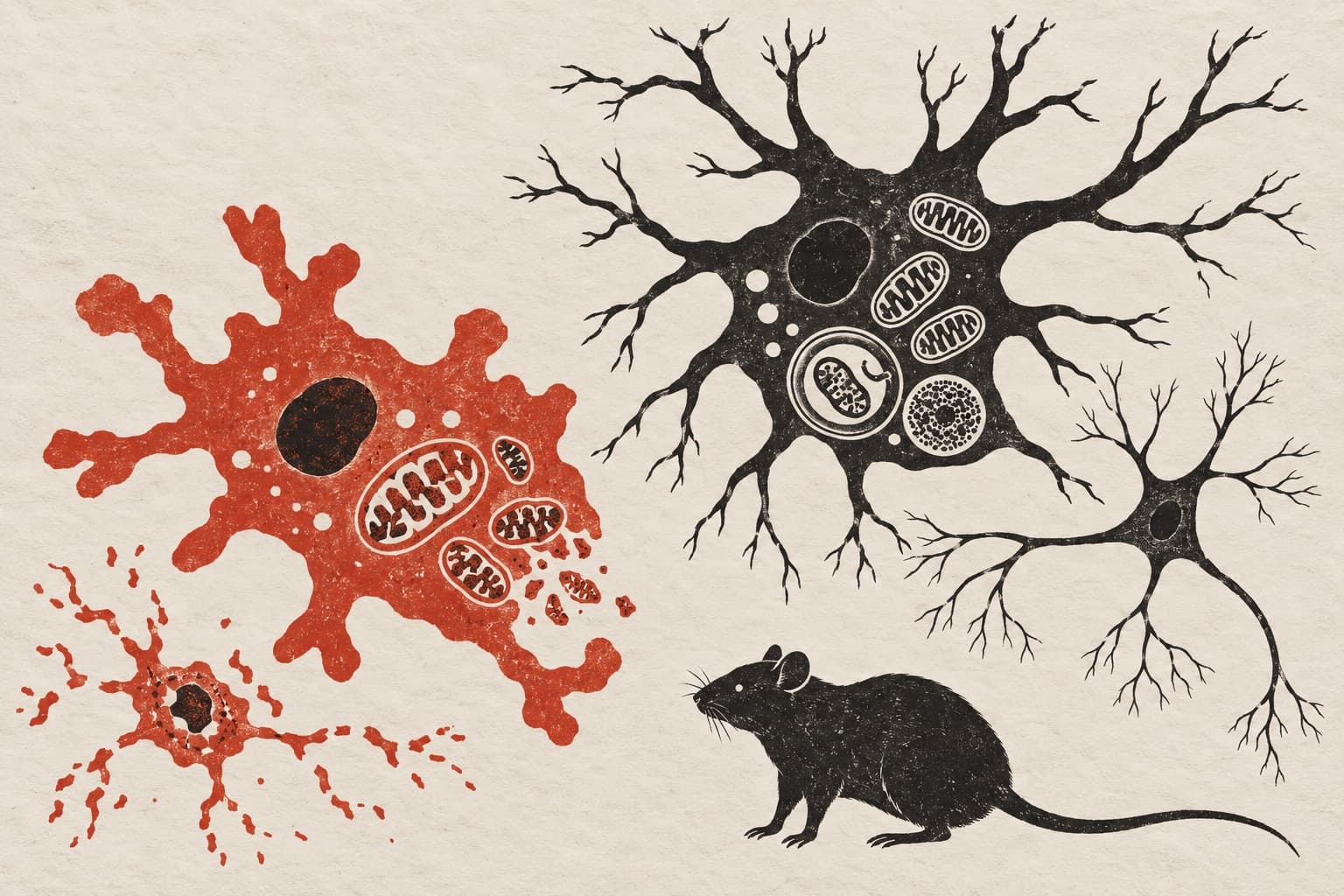
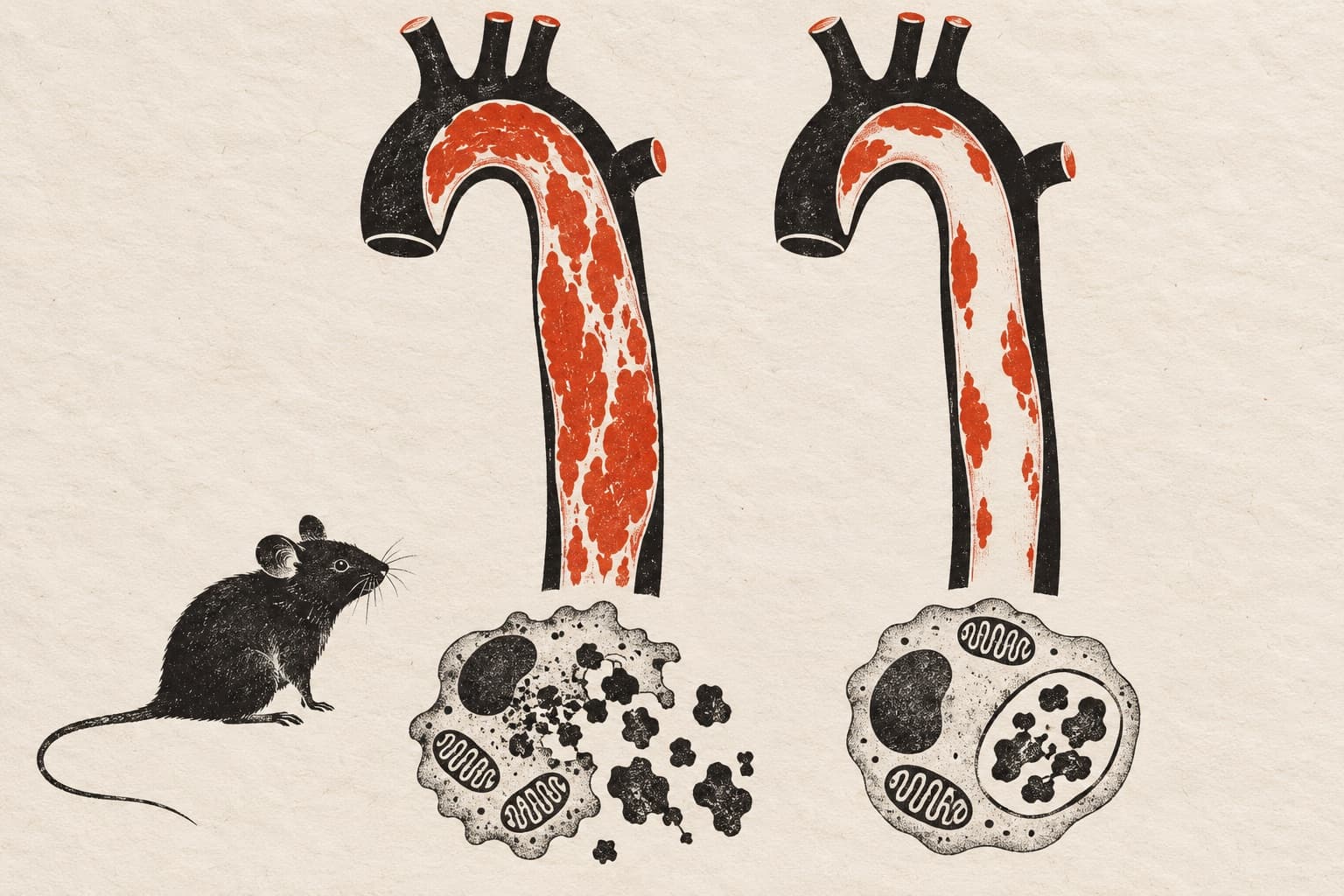
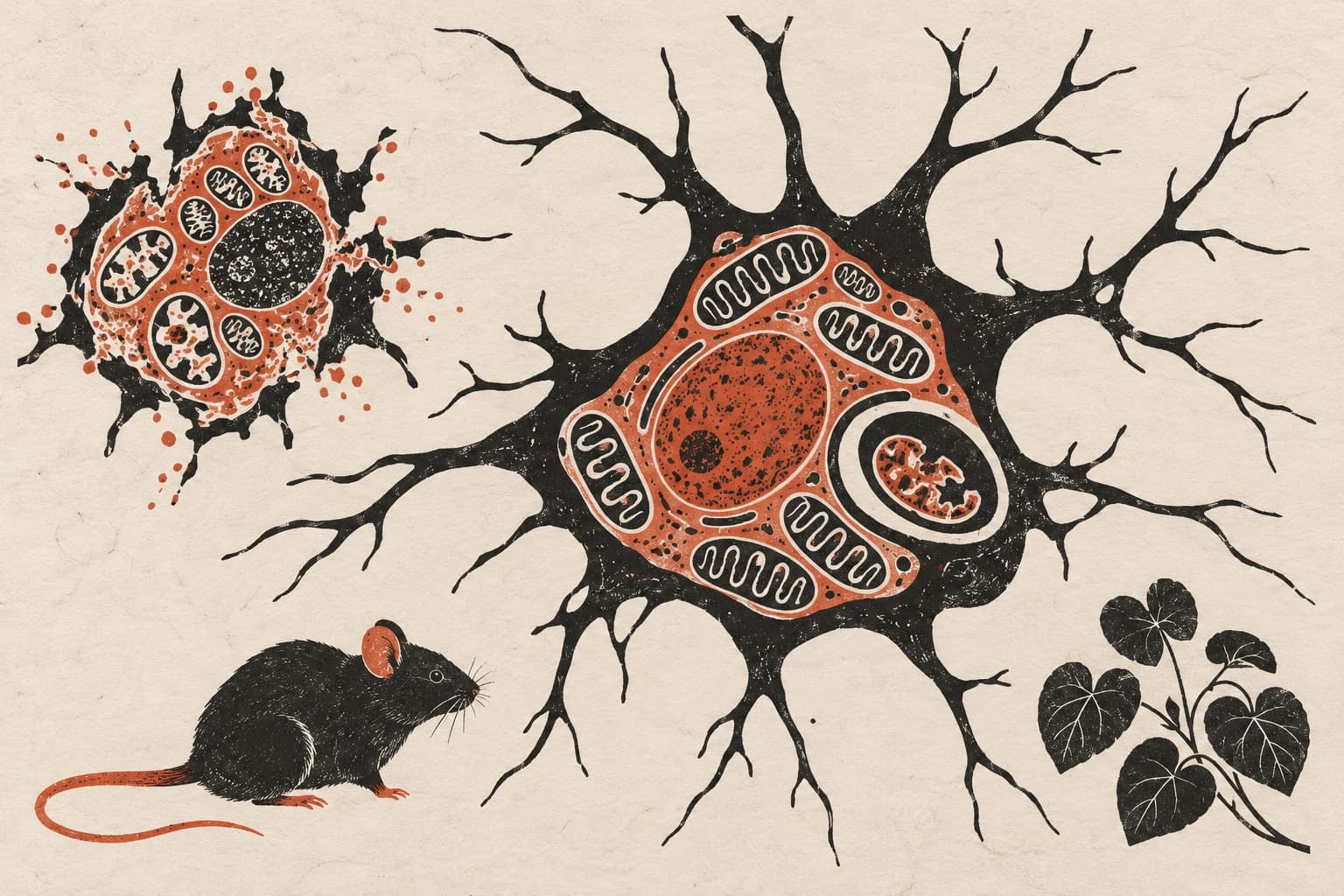
In APP/PS1 transgenic mice, treatment with the flavonoid icariin improved cognitive deficits and reduced microglial inflammatory activation. Across mouse brains and amyloid-beta-stimulated BV-2 microglia, icariin enhanced mitophagy-related responses, restored mitochondrial membrane potential, and reduced the accumulation of mitochondrial reactive oxygen species. It also lowered NLRP3 inflammasome-associated inflammatory injury, GSDMD-related pyroptotic changes, and the release of IL-1β and IL-18. Assays and simulations supported a potential engagement between icariin and PINK1.
Blocking mitochondrial division with Mdivi-1 weakened the anti-inflammatory effects of icariin in the mice. In cultured BV-2 microglia, knocking down Pink1 decreased icariin-induced LC3 and TOM20 colocalization and partially reversed the compound's inhibitory effects on NLRP3 inflammasome markers.
Why it matters
Mitochondrial dysfunction and microglial neuroinflammation are key contributors to age-related neurodegenerative diseases. The findings suggest that supporting PINK1-associated mitochondrial quality control may help suppress damaging neuroinflammatory responses in Alzheimer's disease models.
Caveats
The findings are limited to an animal model and cultured mouse microglia, meaning the effects may not reflect human Alzheimer's disease pathology. Furthermore, Pink1 knockdown only partially blocked the anti-inflammatory effects of the treatment in cell culture.
The paper
Central South University
Chinese Journal of Natural Medicines · 1 Oct 2026