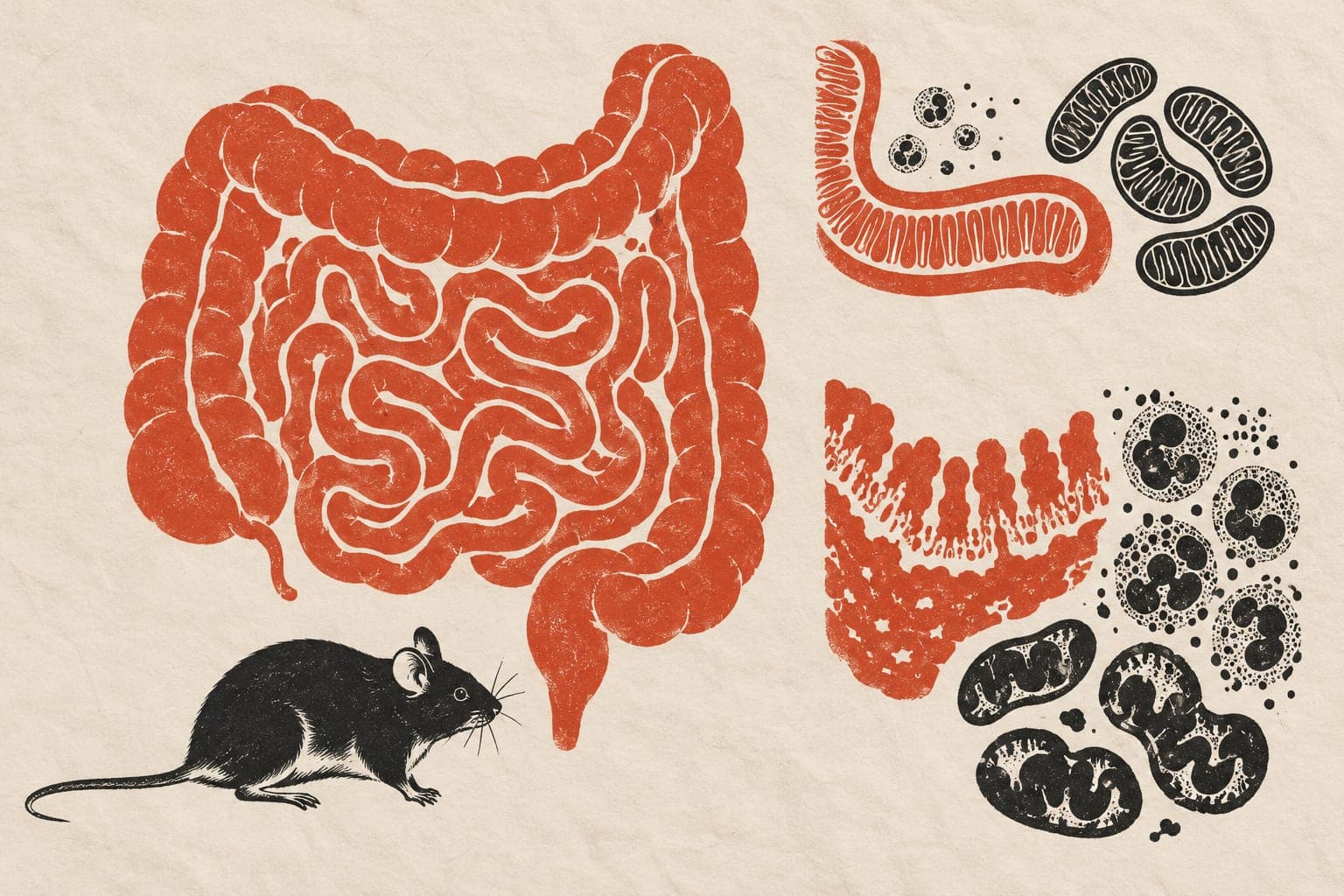
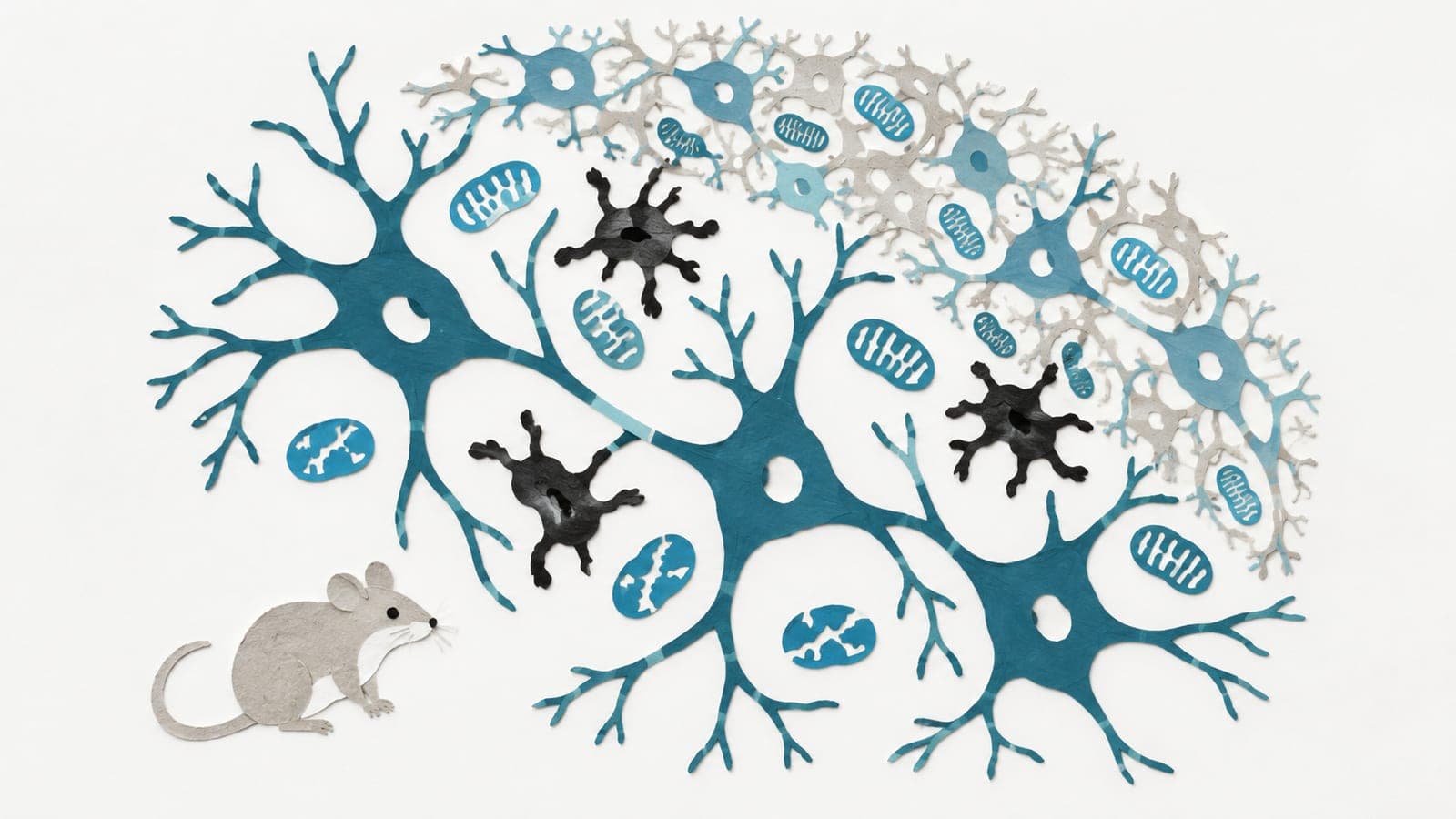
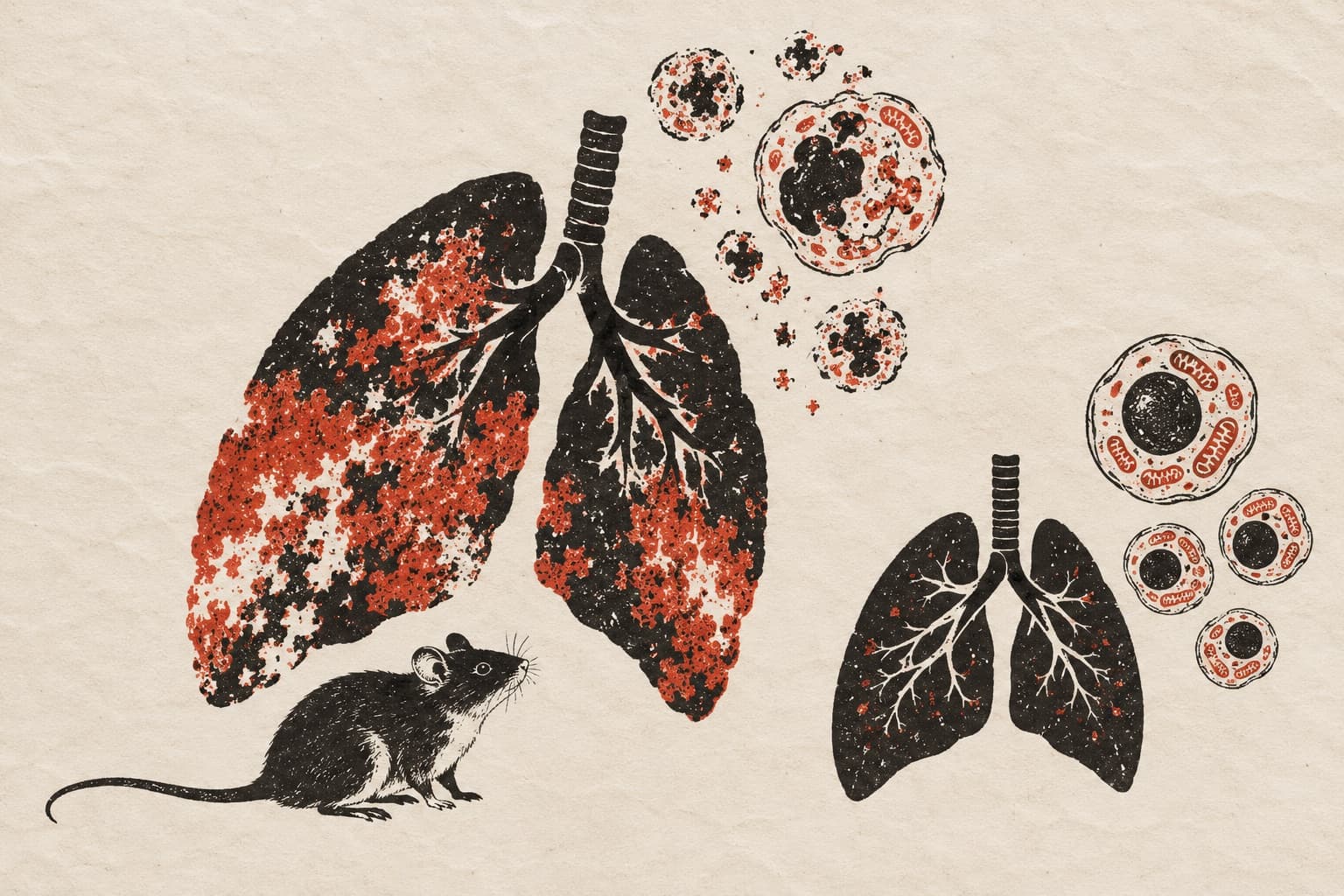
Two pathways in cells work together to amplify inflammation
Mitochondrial citrate metabolism drove inflammation through a pathway that acted independently of mitochondrial DNA-triggered immune signalling but cooperated with it to amplify inflammation.
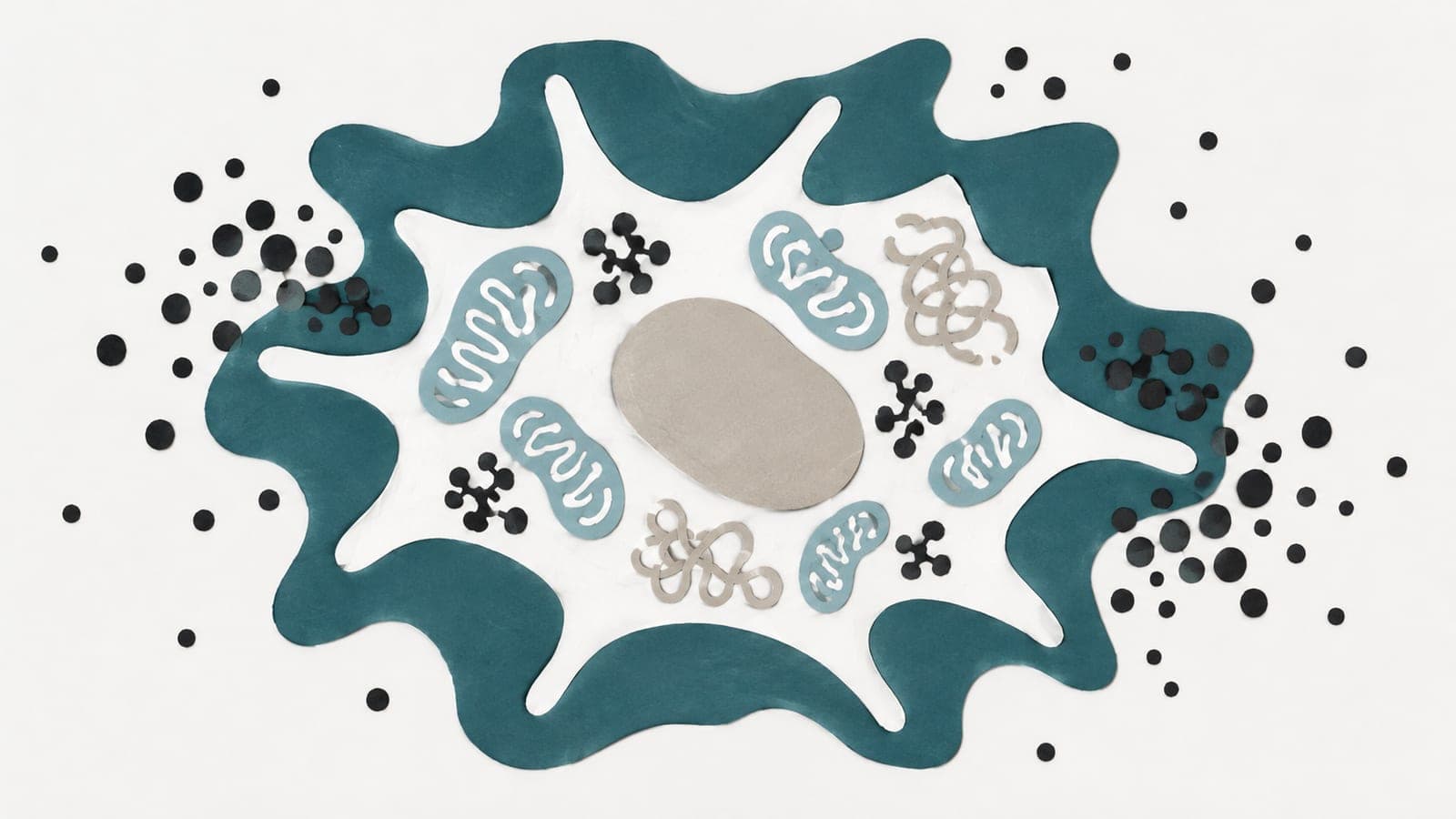
Senescent cells developed persistent inflammation, with broad consequences for tissue function and disease. Senescence is a state in which cells stop dividing. The paper described findings by Martini and colleagues involving mitochondria, structures within cells that produce energy.
The researchers found that mitochondrial citrate metabolism—the chemical processing of citrate within mitochondria—drove inflammation. This pathway acted independently of immune signalling triggered by mitochondrial DNA, the genetic material within mitochondria. Yet the two pathways also worked together to amplify the inflammatory response in senescent cells.
Why it matters
Cell senescence is a focus of aging research. Understanding its inflammatory activity may help clarify how senescent cells affect tissue function and disease.
Caveats
The abstract does not specify the study design or identify the cell type. It provides no experimental details or numerical results.
The paper
Mitochondria strike two hits to drive the SASP
Massachusetts General Hospital
Developmental Cell, 14 Oct 2026