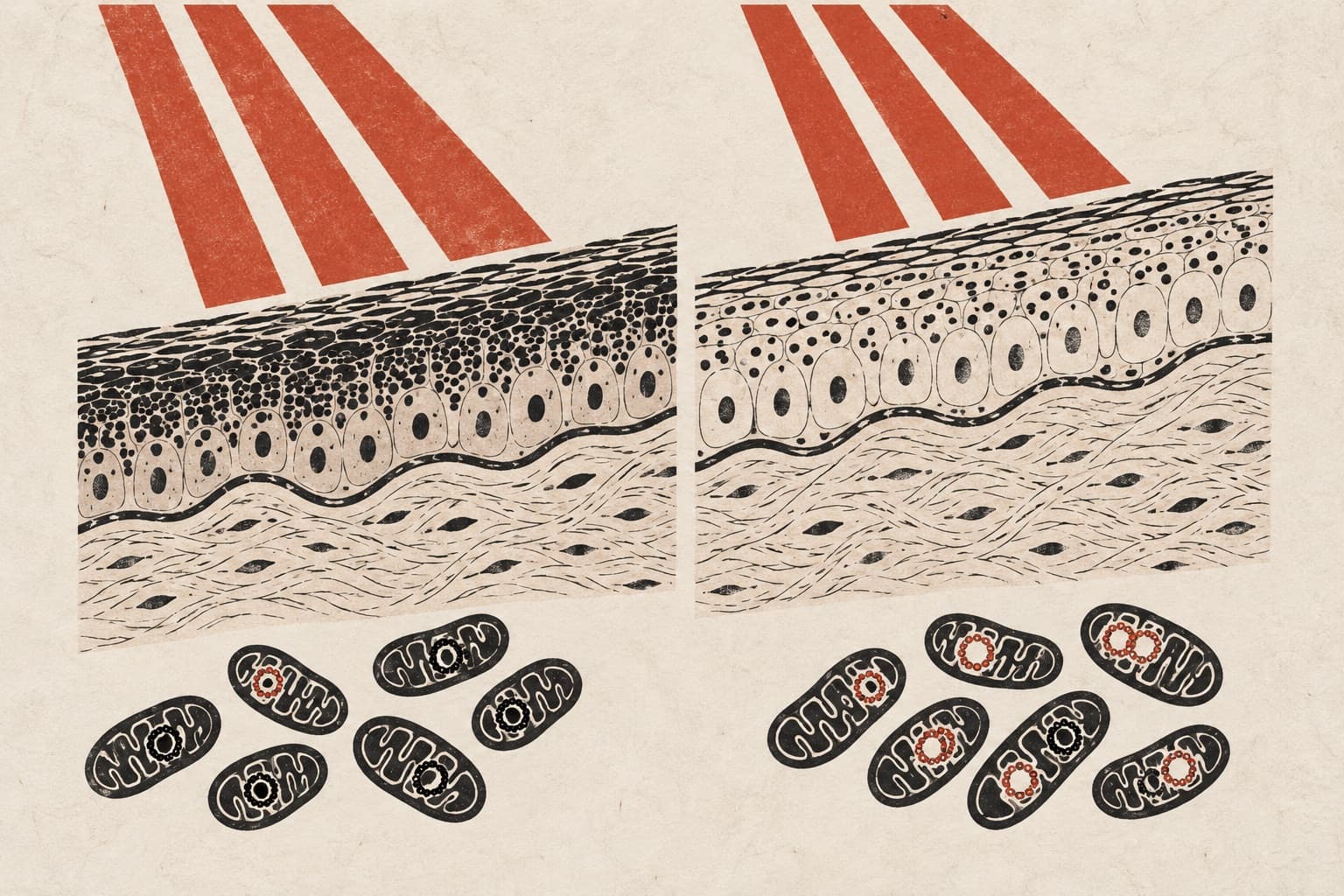
Mitochondrial TFAM limits CD8+ T cell lung damage in mice
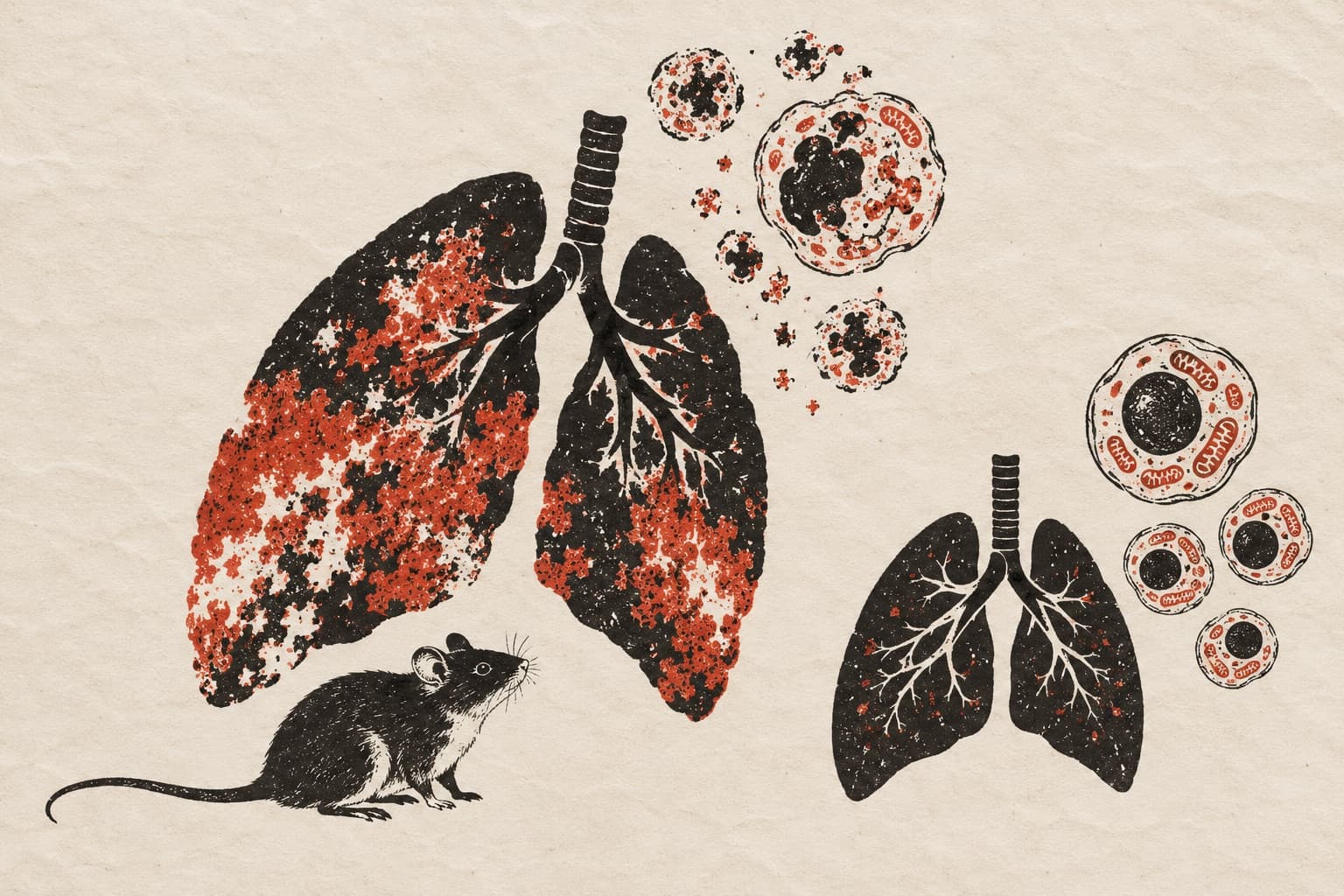
In mice infected with influenza, CD8+ T cells lacking one TFAM copy provoked lung immunopathology without improving viral control and later lost recall immunity.
bioRxiv
In human CD8+ T cells, researchers observed an age-associated decline in TFAM expression and mitochondrial function, according to a preprint on bioRxiv. To model this loss, the team engineered mice with CD8+ T cell-specific TFAM haploinsufficiency. In these mice, TFAM insufficiency disrupted mitochondrial structure and energy production while increasing mitochondrial DNA and oxidative stress. When infected with influenza virus, TFAM-insufficient CD8+ T cells generated elevated cytotoxic and inflammatory activity linked to lung tissue damage without improving viral clearance. This initial response was followed by a loss of effector function, diminished antigen-specific responses, reduced protection after adoptive transfer, and impaired heterosubtypic recall immunity against subsequent viral challenge.
Why it matters
The findings suggest that age-related mitochondrial decline in T cells may shift antiviral responses toward tissue-damaging inflammation rather than durable immune protection.
Caveats
The functional viral challenge experiments rely on genetically altered mice rather than naturally aged animals. Additionally, the study is a preprint that has not yet undergone peer review.
The paper
Show 9 more authors
Zhihan Wang, Rutuparnna Mishra, Taylor Schmit, Jamanah Ahsan, Emily J Moser, Junguk Hur, Jacob S. Yount, Ramkumar Mathur, Liang Zhou,University of Florida
bioRxiv · 27 Sep 2026 · Preprint, not peer-reviewed