Carbon Quantum Dots: From Mechanisms to Biomedical Applications
Abstract
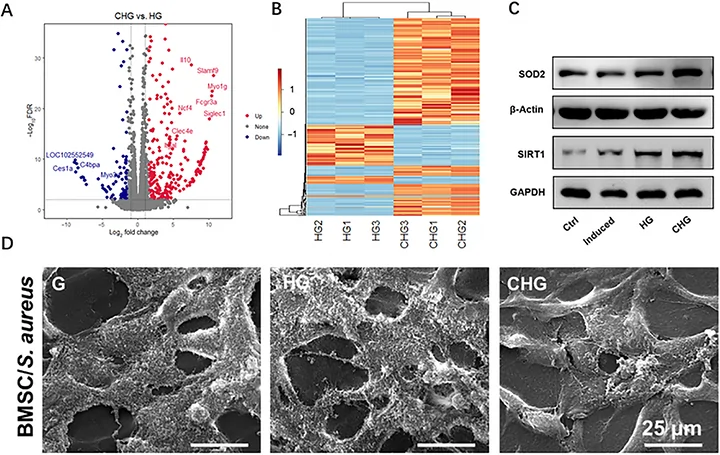
Carbon quantum dots (CQDs) have emerged as promising nanomaterials for biomedical applications, including bioimaging, drug delivery, biosensing, and tissue regeneration, owing to their favorable biocompatibility, tunable physicochemical properties, and diverse biological activities. Despite accumulating evidence of their regenerative potential, the mechanisms by which CQDs regulate complex tissue regeneration remain insufficiently integrated. In this Review, we synthesize recent advances in the biomedical applications of CQDs, with particular emphasis on material selection for specific disease contexts and their direct and indirect regulatory roles in tissue regeneration. We examine how CQDs modulate cellular functions, angiogenesis, stem cell differentiation, the immune microenvironment, and redox homeostasis through molecular pathways, and how their physicochemical properties shape these biological effects and regenerative outcomes. We further discuss emerging strategies for functional optimization, including multifunctional and stimuli-responsive CQD systems. Finally, we critically assess key translational barriers, including structural characterization, biological evaluation, safety assessment, material standardization, and manufacturing consistency. By linking CQDs' properties to molecular mechanisms and regenerative outcomes, this Review provides a conceptual framework for the rational design of CQDs and the development of more effective regenerative therapies.
- Carbon quantum dots
- Angiogenesis
- Immune response
- Oxidative stress and ROS signalling
- Stem cell differentiation
The paper
The Affiliated Hospital to Changchun University of Chinese Medicine
MedComm, 13 Oct 2026, Open access