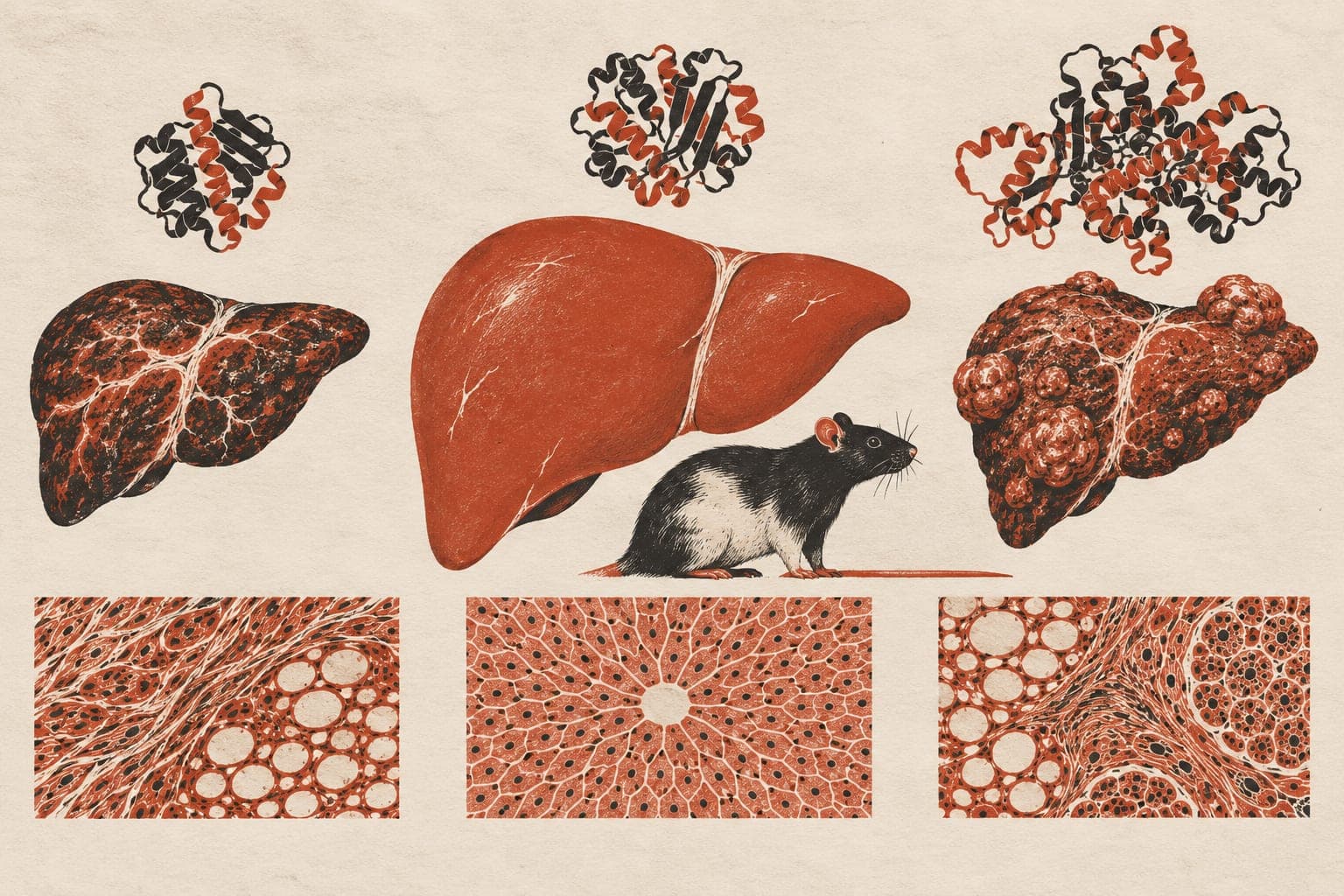
RNA delivery linked to enhanced liver regeneration in mice
In mice, liver-targeted messenger RNA briefly induced reprogramming proteins and was associated with enhanced regeneration after acetaminophen-induced injury.
Cell Reports Medicine
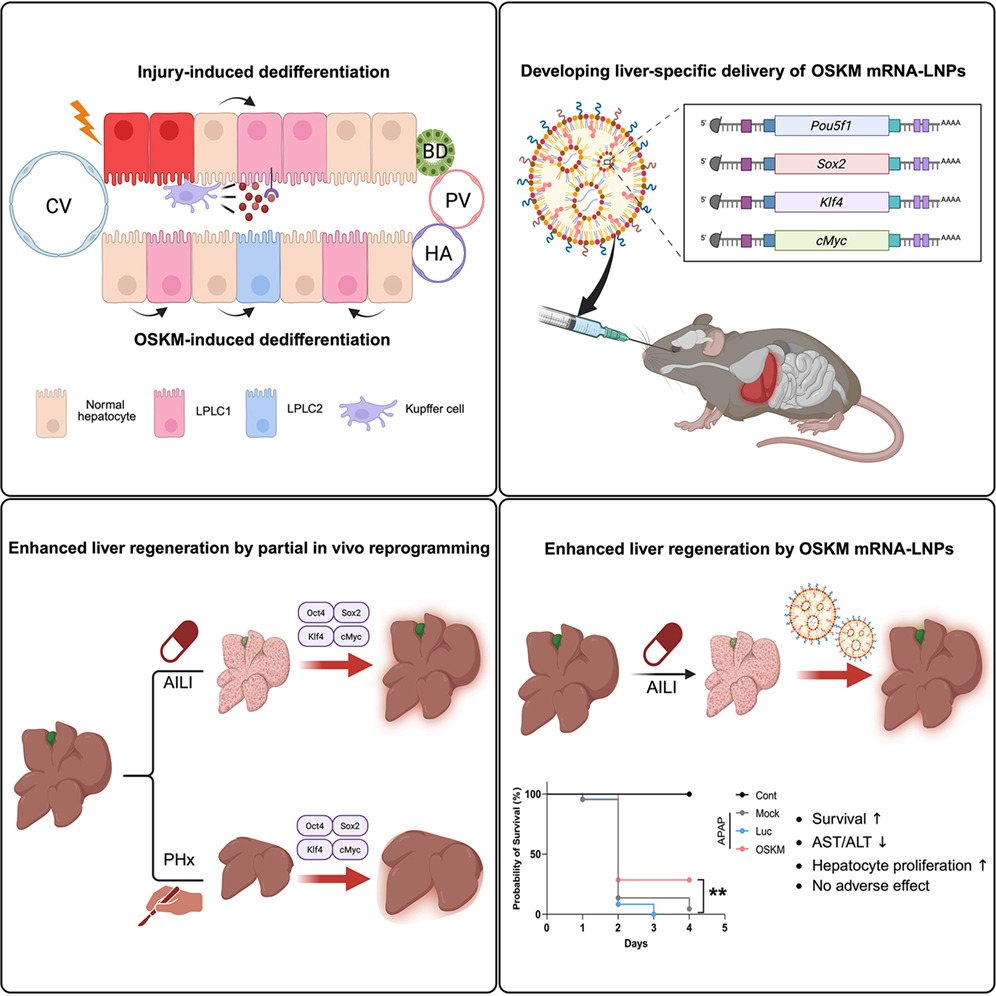
In mice, researchers tested brief production of four proteins used to reprogramme cells. These animal experiments generated two groups of liver cells resembling progenitor cells—immature cells that can form more specialised cells—without injury. Activation of injury-associated immune responses was limited. Analysis of gene activity showed that one group resembled cells seen in acetaminophen-injured mouse and human livers.
The team then developed fat-based particles to deliver messenger RNA, instructions for making proteins, to the liver. This delivery made liver cells lose specialised features and form cells resembling liver progenitors. It was associated with enhanced liver regeneration after acetaminophen-induced injury. The researchers described targeted messenger RNA delivery as a potential approach for acute liver injury.
Why it matters
For aging research, the work raises the question of whether temporarily changing cell identity could help sustain tissue repair.
Caveats
The RNA-delivery approach was tested in animals, not people. The abstract does not provide sample sizes or long-term safety results.
The paper
Enhanced liver regeneration via targeted mRNA delivery for partial in vivo reprogramming
Seoul National University
Cell Reports Medicine · 1 Oct 2026