Irregular sleep patterns linked to higher risk of death
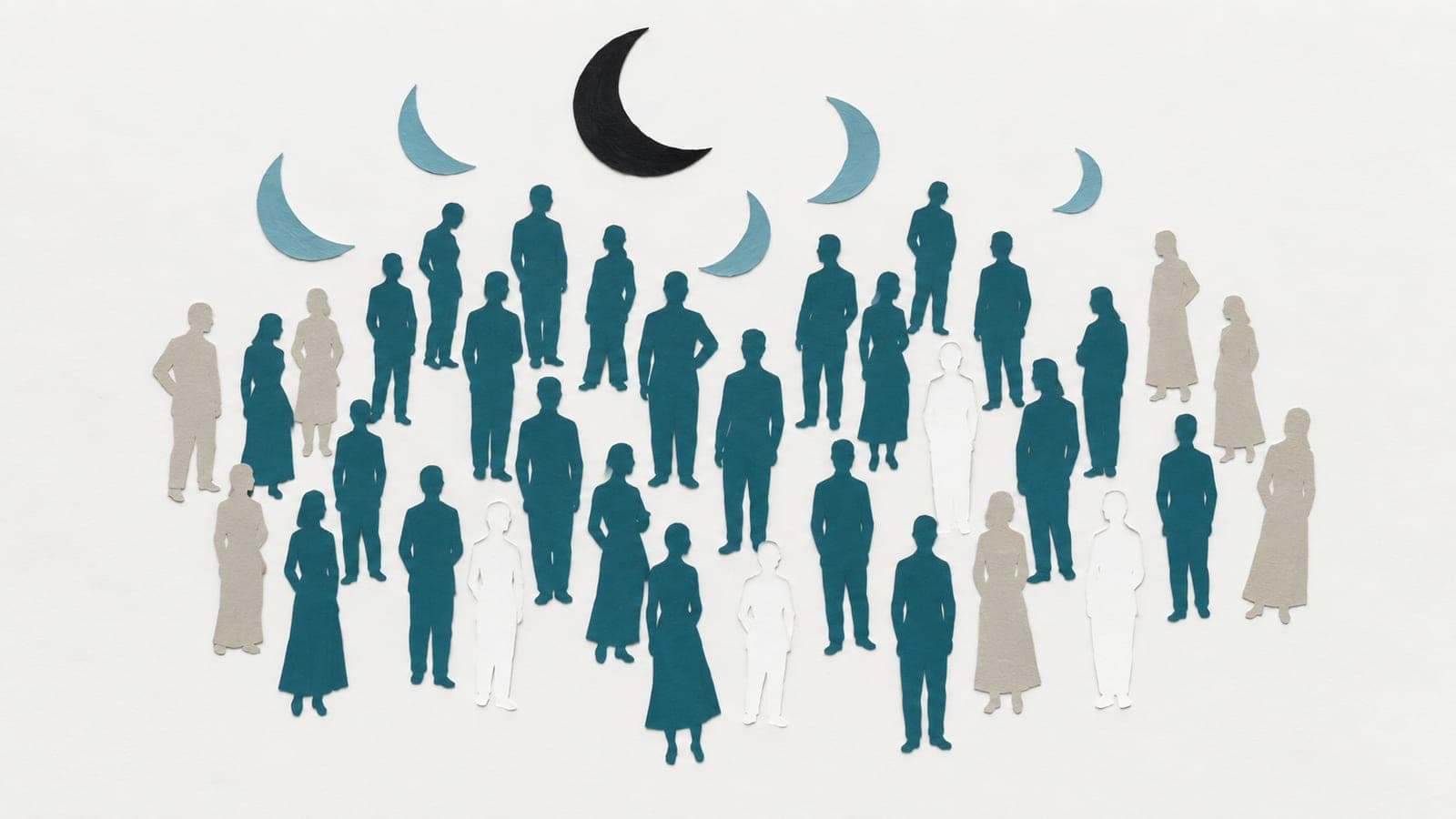
Among 7,604 US adults aged 20 or older, each one-hour increase in night-to-night sleep-midpoint variability was associated with an all-cause mortality hazard ratio of 1.22.
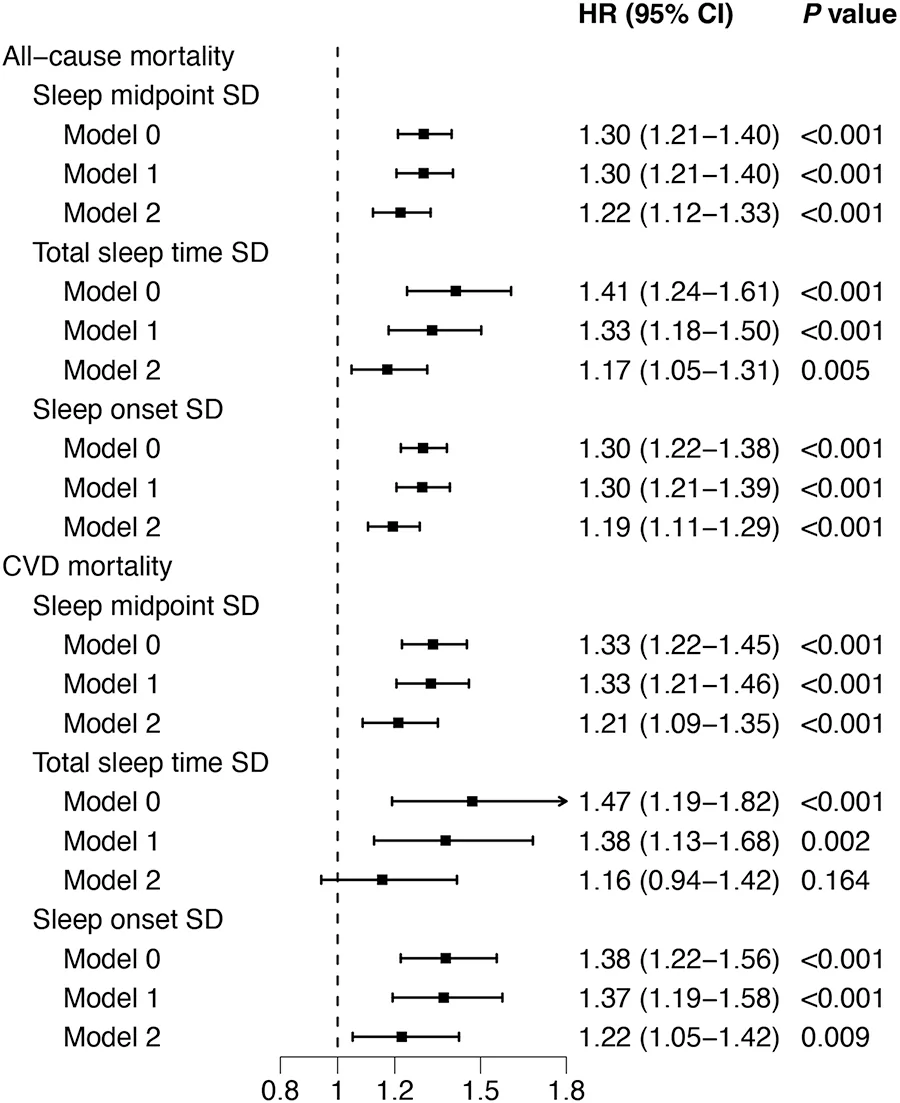
81 months, dose-response
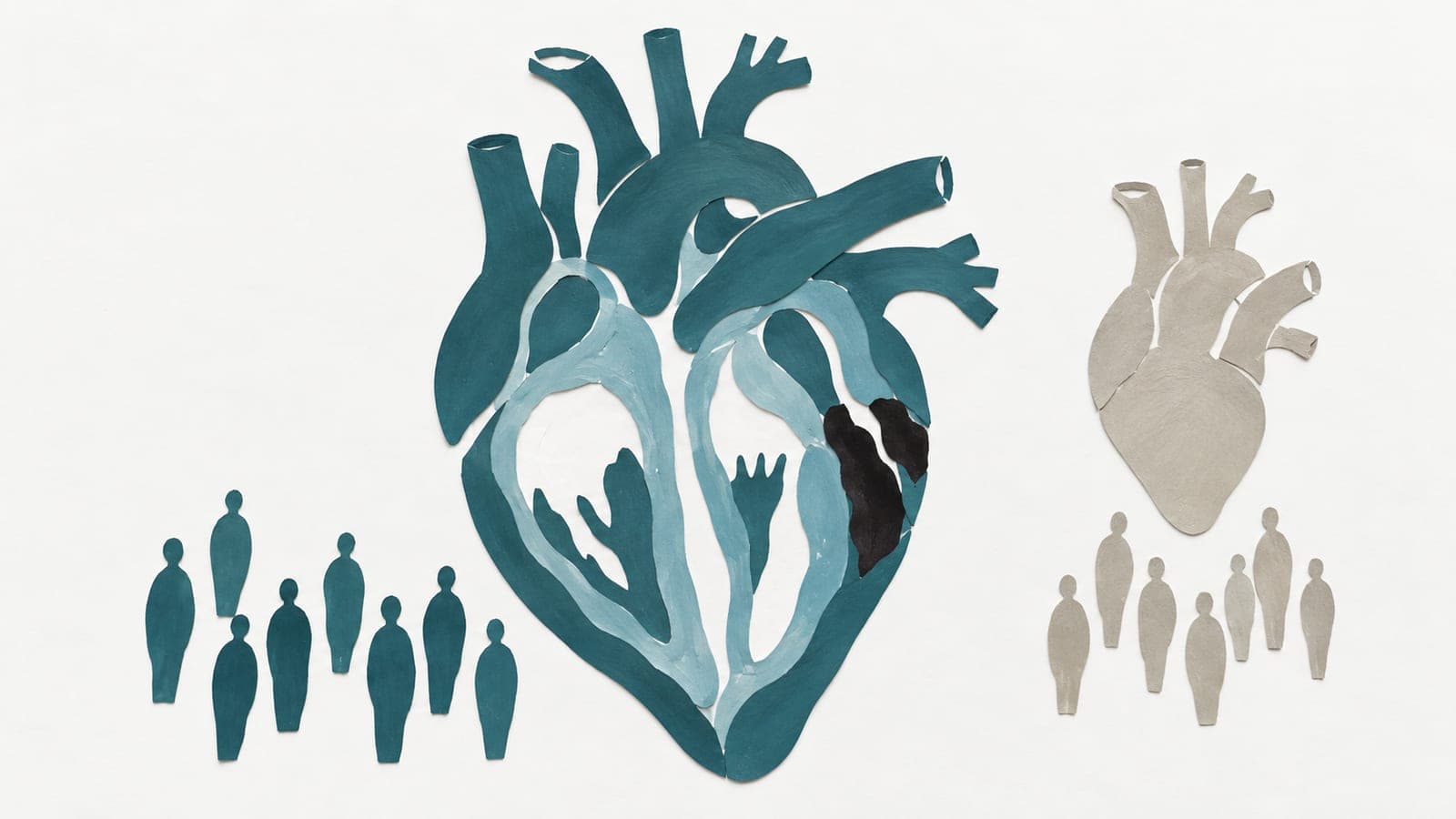
Researchers followed 7,604 US adults aged 20 or older in a prospective cohort study. Wrist monitors recorded sleep for four to seven days. Over a median 81 months, 714 deaths from all causes and 229 cardiovascular deaths occurred. Each one-hour increase in night-to-night variability of sleep midpoint—the halfway point of sleep—sleep onset and duration was associated with all-cause mortality hazard ratios of 1.22, 1.19 and 1.17. Hazard ratios compare death rates over time; 1 means no difference. Corresponding cardiovascular mortality hazard ratios were 1.21, 1.22 and 1.16; the last estimate’s range of likely values included no difference.
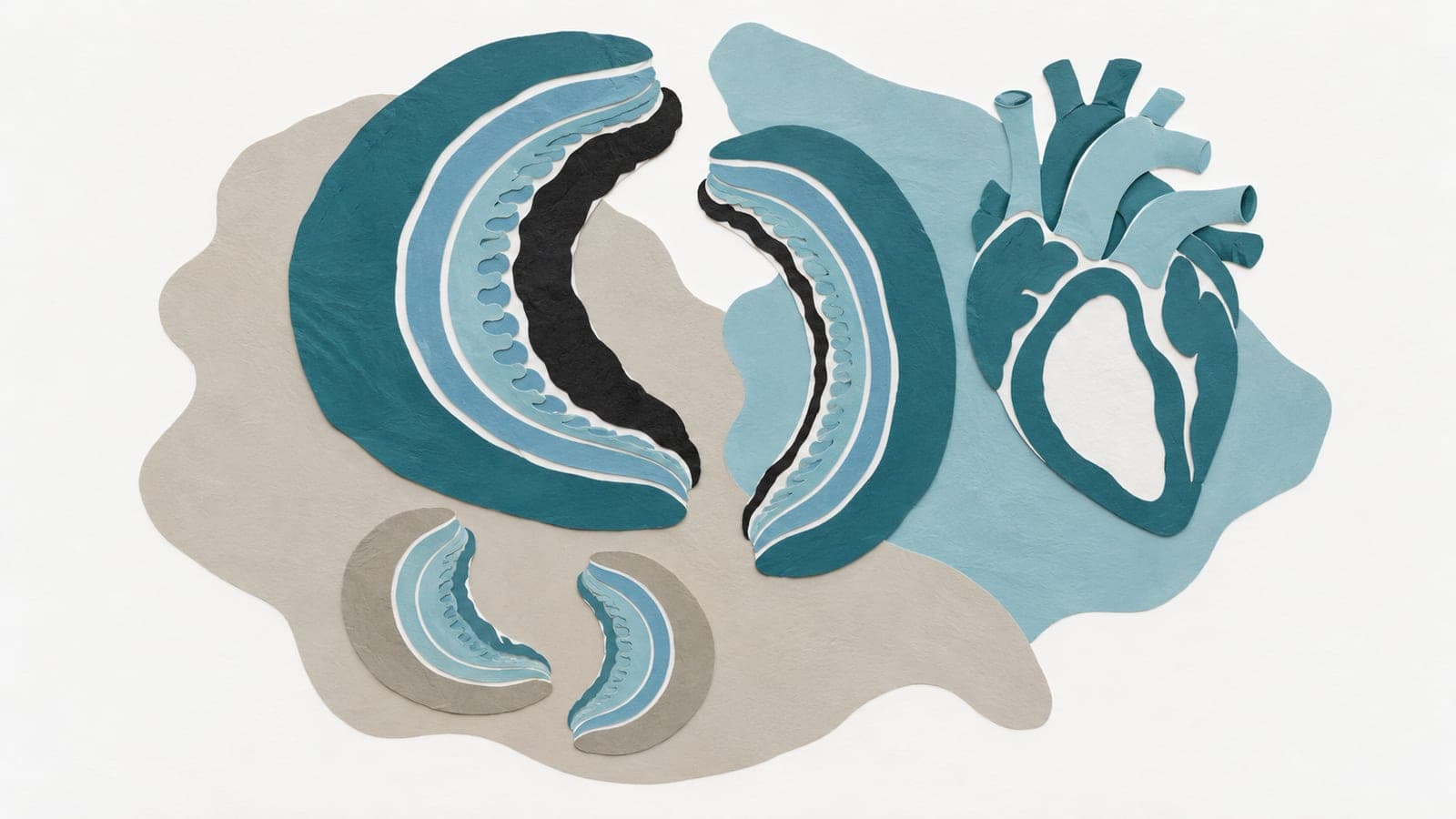
In three independent experiments, human umbilical vein endothelial cells, which line blood vessels, showed lower clock-gene activity and higher levels of inflammatory markers on average across four irregular schedules for the drug dexamethasone, compared with a regular schedule.
Why it matters
The study addressed whether sleep regularity was linked to mortality alongside older age, high blood pressure and diabetes.
Caveats
The observational cohort design cannot show that irregular sleep caused earlier death, and sleep was recorded over only four to seven days. The cohort covered US adults aged 20 or older, and the cell experiments took place in the laboratory rather than in living people.
From the paper
- Participants
The analytic cohort required ≥4 valid recording days and included 7,604 participants.
- Result
In Model 2, each 1-hour increase in the across-night SD of sleep midpoint was associated with higher hazards of all-cause mortality (HR, 1.22; 95% CI, 1.12–1.33; P < 0.001) and CVD mortality (HR, 1.21; 95% CI, 1.09–1.35; P < 0.001).
Results, 3.2 Association of sleep variability with mortality
- Limitation
Partial capture of a sleep episode could distort estimated sleep onset, midpoint, or duration and introduce measurement error into the corresponding variability metrics, although the direction of bias is uncertain.
Quoted word for word from the full text on frontiersin.org.
The paper
Shanxi Medical University
Frontiers in Medicine, 29 Sep 2026