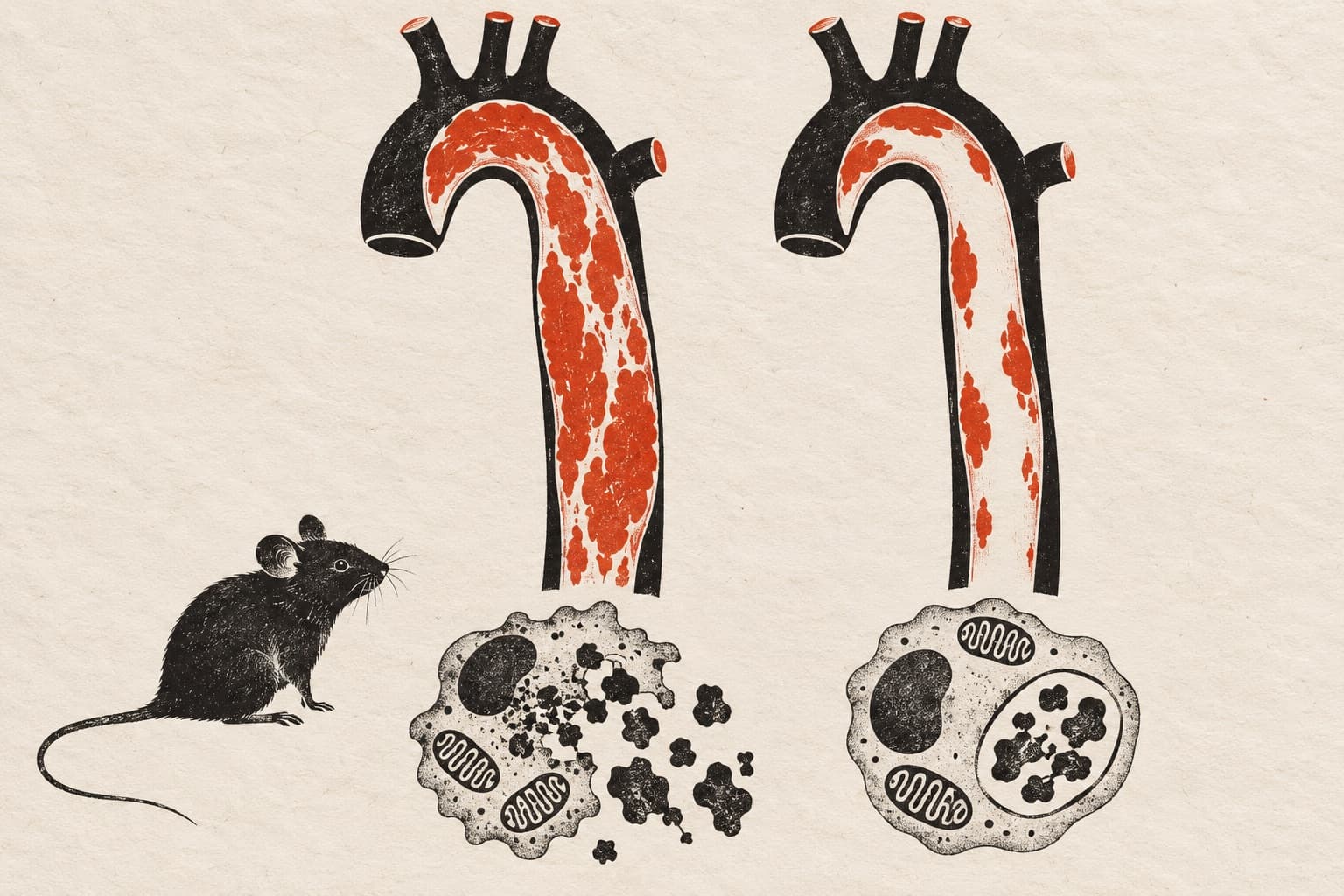
The PGC-1α-ferroptosis axis mediates empagliflozin-induced epithelial barrier protection in sepsis-associated acute lung injury
Abstract
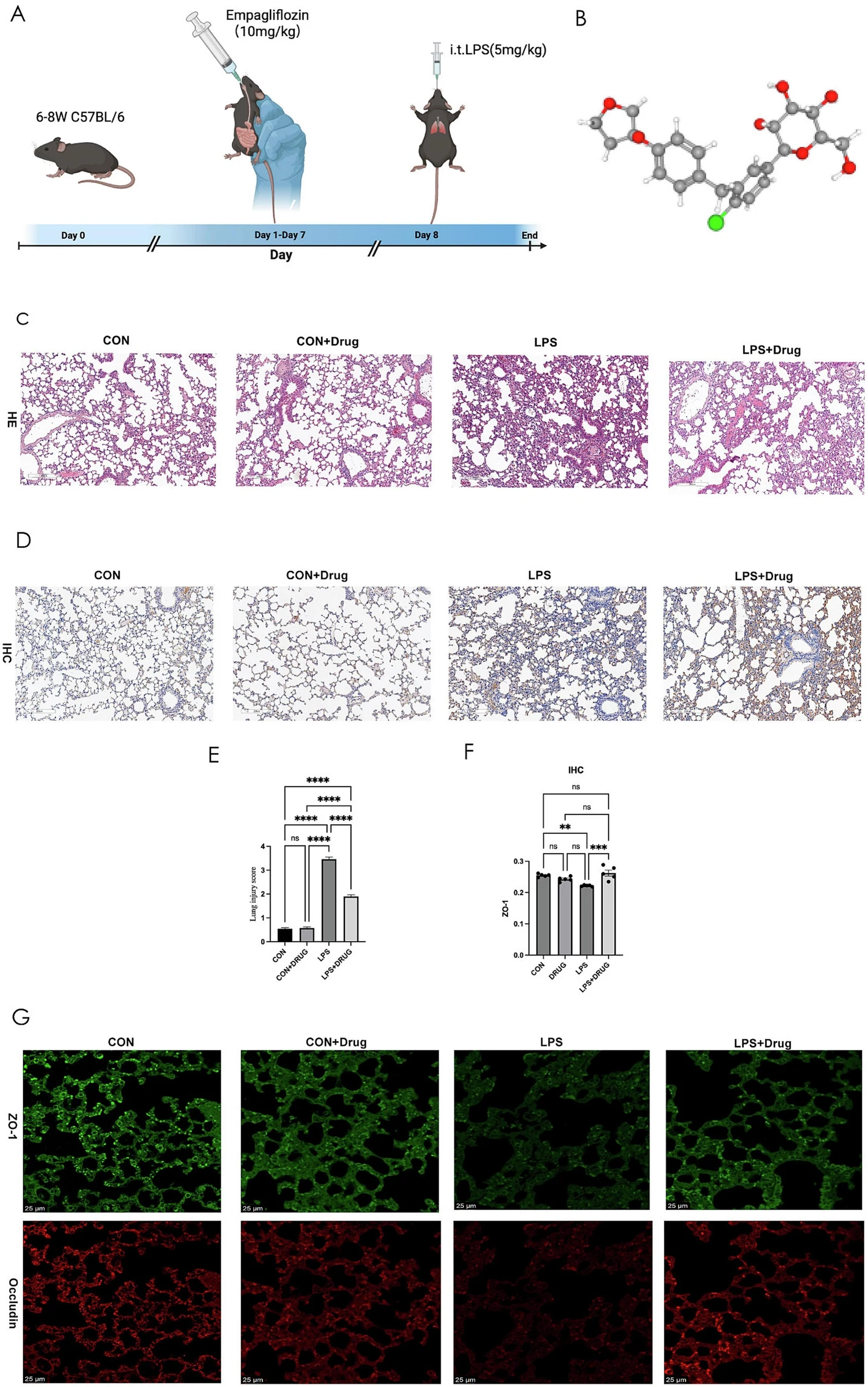
Sepsis-associated acute lung injury is characterized by epithelial barrier failure, excessive oxidative stress, and inflammatory tissue damage. Ferroptosis has emerged as an important mechanism linking lipid peroxidation to epithelial dysfunction, but the regulatory mechanisms governing ferroptosis resistance in sepsis-associated lung injury remain unclear. Using an LPS-induced acute lung injury model and LPS-challenged A549 cells, we investigated whether empagliflozin protects epithelial barrier integrity by modulating PGC-1α-associated ferroptosis resistance. Endotoxin challenge suppressed PGC-1α expression, disrupted PI3K/AKT signaling, weakened the SLC7A11-GPX4 anti-ferroptotic defense axis, and promoted ROS accumulation, lipid peroxidation, tight junction loss, impaired epithelial repair, and lung pathological injury. Empagliflozin reversed these pathological alterations, preserving ZO-1, Occludin, and Claudin-1 expression while reducing ferroptosis-associated oxidative damage. Mechanistically, PGC-1α emerged as a central node linking metabolic stress adaptation, PI3K/AKT signaling, ferroptosis resistance, and epithelial barrier maintenance. Pharmacological inhibition or siRNA-mediated knockdown of PGC-1α weakened the protective effects of empagliflozin, indicating that PGC-1α is functionally required for empagliflozin-mediated epithelial protection. These findings identify a PGC-1α-associated ferroptosis-epithelial barrier mechanism through which empagliflozin protects against LPS-induced lung injury and provide mechanistic insight relevant to sepsis-associated acute lung injury.
The paper
International Immunopharmacology, 13 Oct 2026, Open access