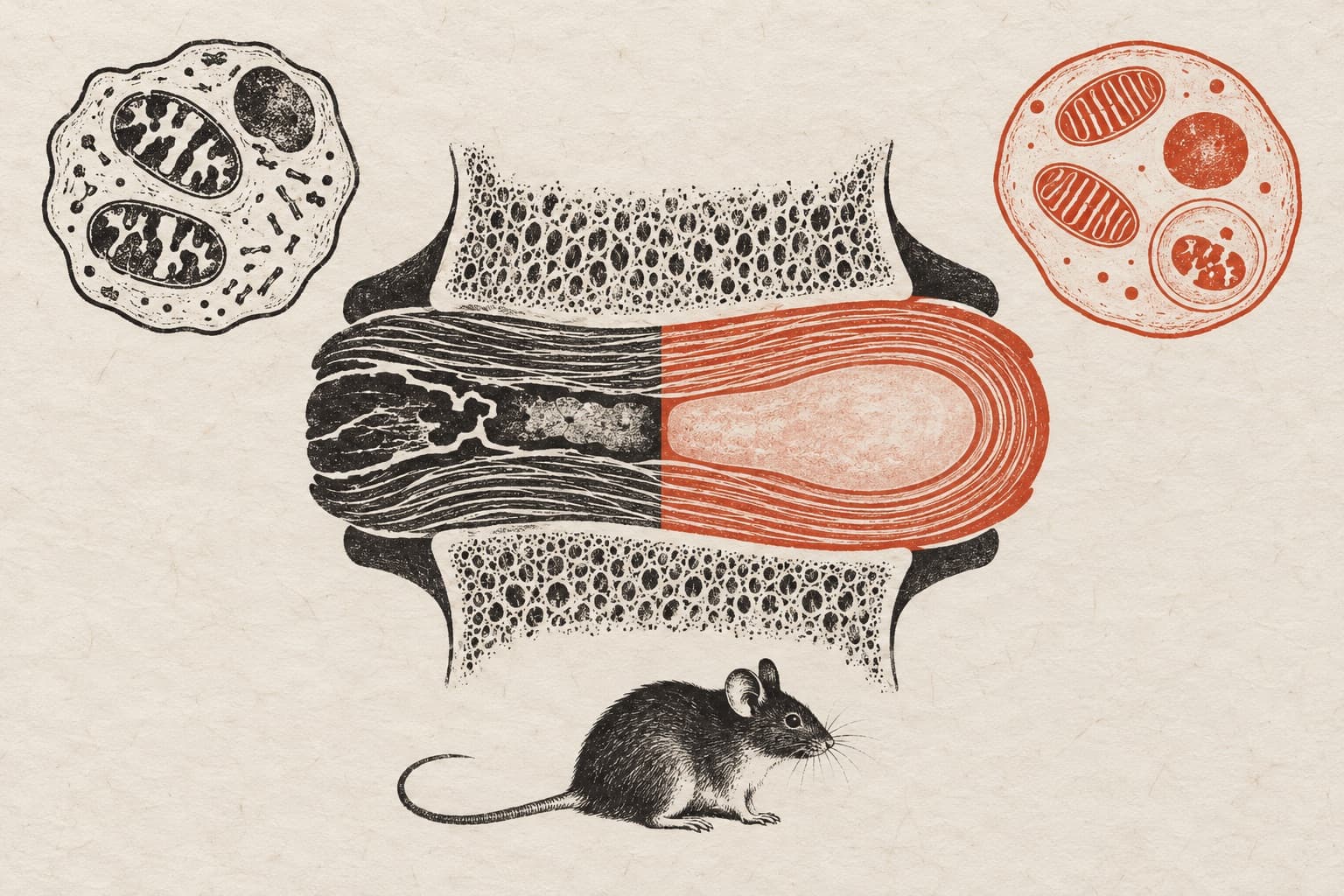
Protein promoted iron-linked aging in spinal disc cells
Experiments in cells from the soft centre of spinal discs identified a protein that promoted iron build-up, damage to fats and cell aging.
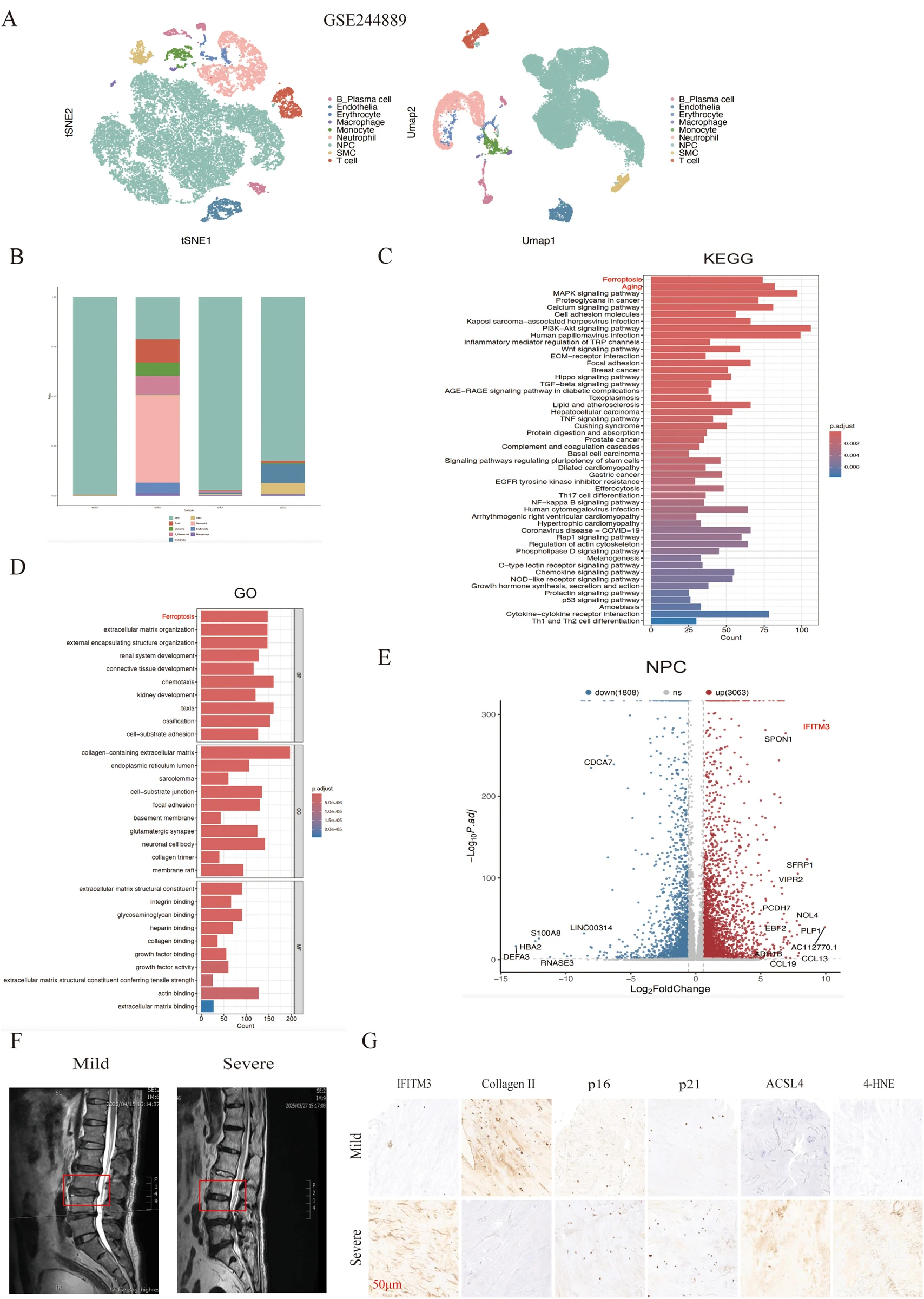
Researchers studied human nucleus pulposus tissue—the soft centre of spinal discs—and conducted experiments in disc cells and animal models of disc degeneration. The animal models included age-related degeneration and degeneration caused by puncture.
In disc-cell experiments, IFITM3, a protein, promoted iron accumulation, damage to fats and senescence, a state in which cells stop dividing. The researchers described this iron-linked process as ferro-aging. They traced a regulatory network that controlled IFITM3 production and contributed to damage to fats. In their experimental models, reducing the activity of genes in this network eased signs of ferro-aging and reduced the progression of disc degeneration.
Why it matters
Disc degeneration is a major cause of low back pain. The regulatory network offers a potential framework for research aimed at delaying this age-related tissue damage.
Caveats
The findings came from tissue analyses and experiments in cells and animals, not a treatment trial in people. The abstract did not give sample sizes or identify the animal species.