Few mouth microbe links to breast cancer in US women after menopause
An observational study compared 318 postmenopausal women who later developed breast cancer with 318 matched controls and found mostly no associations.
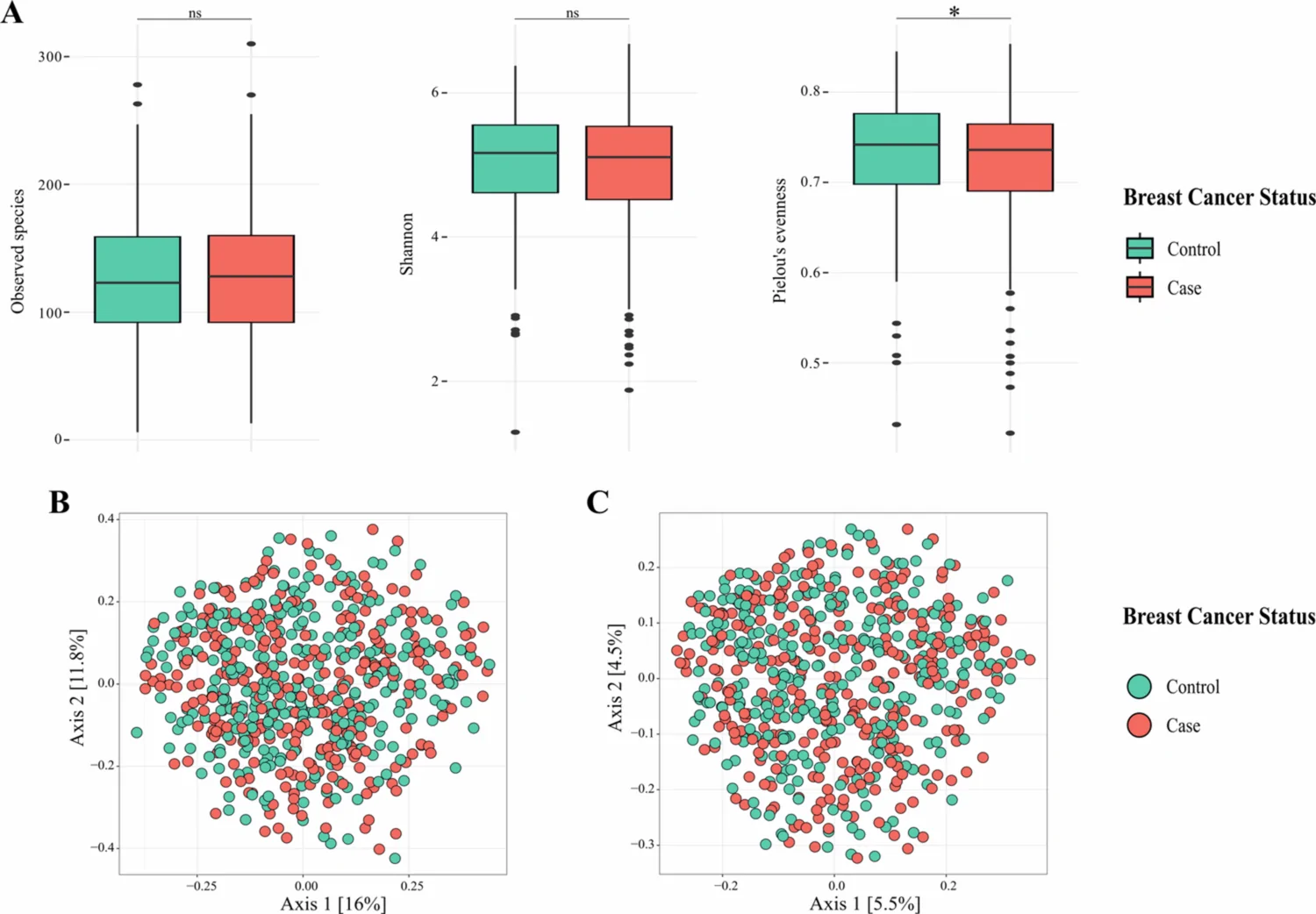
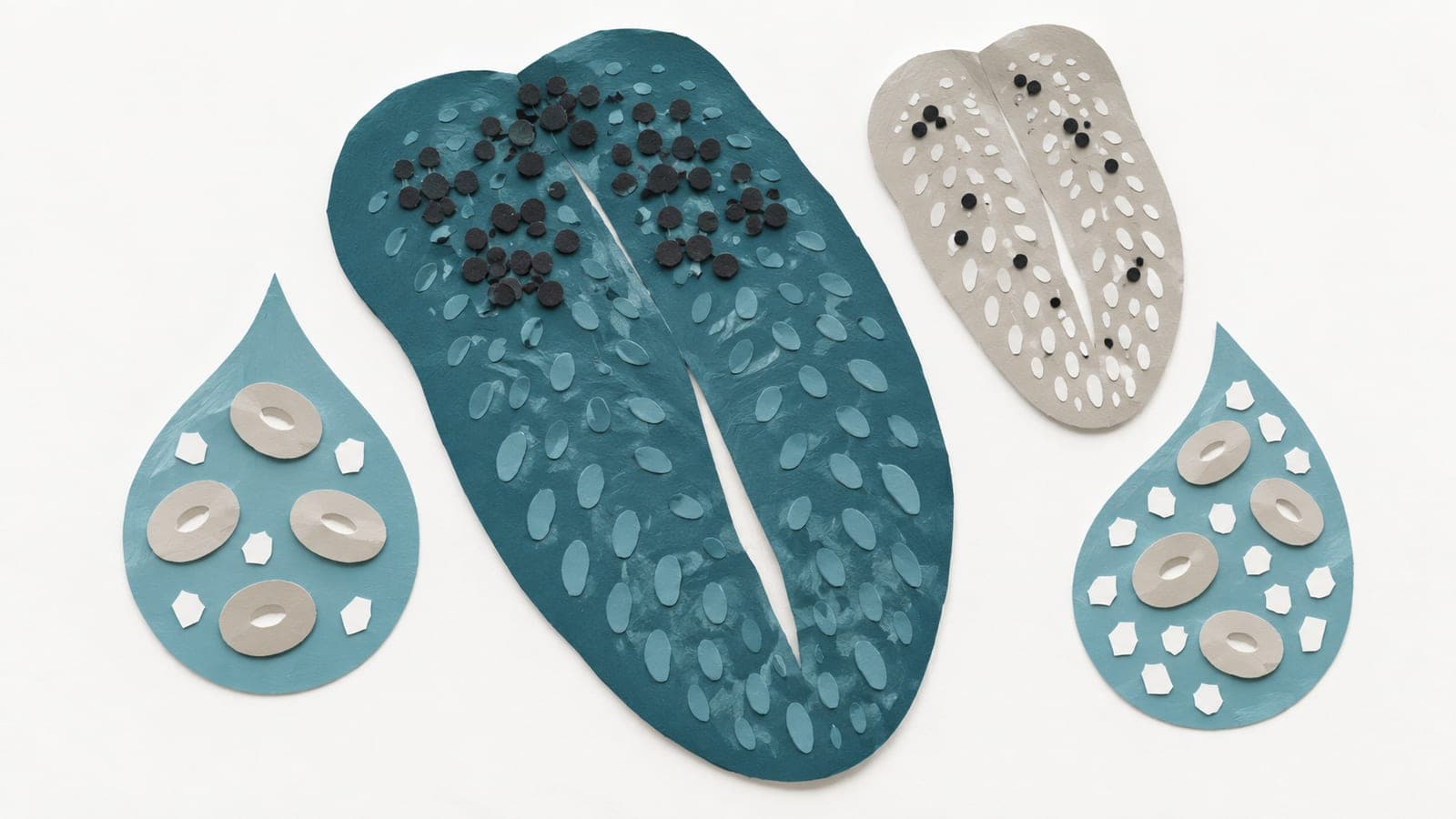
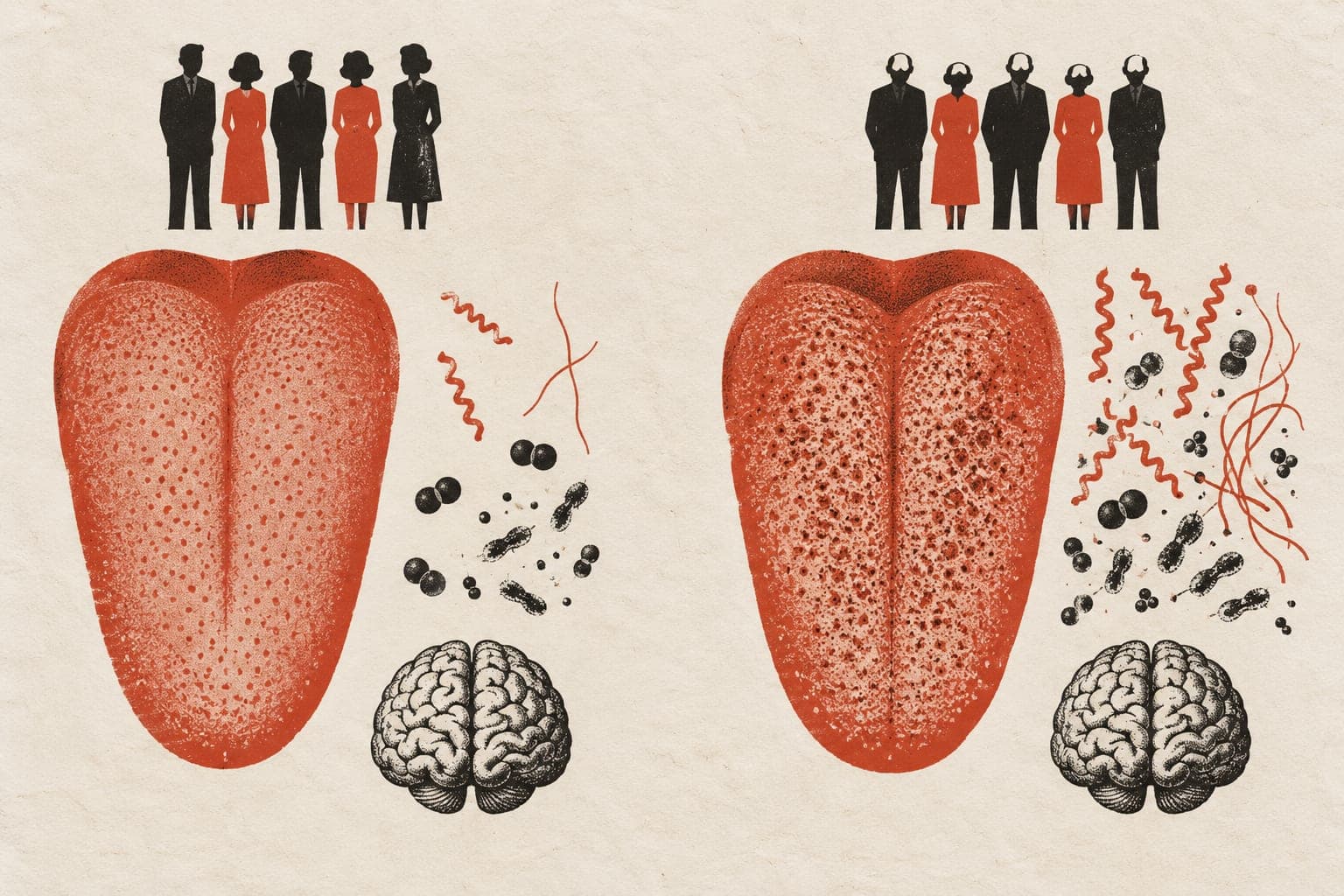
Researchers conducted an observational case-control study of 318 postmenopausal women in the US who later developed breast cancer and 318 matched controls. They analysed microbial DNA in oral wash samples collected in 2005. Women who developed cancer were diagnosed an average of 3.4 years later.
Most measures of the mouth’s microbial community showed no association with breast cancer risk. One measure of how evenly microbial species were represented was linked to lower odds of breast cancer overall. When researchers grouped women by time to diagnosis, this link appeared only among those diagnosed within two years, who accounted for 29% of cases. Results were predominantly null for diagnoses more than two years after sampling.
Why it matters
For breast cancer after menopause, the researchers suggested that earlier links with mouth microbes may reflect cancer affecting those microbes, rather than the reverse.
Caveats
The observational design could not establish cause and effect. The findings concerned postmenopausal women in a US cohort.
From the paper
- Participants
A total of 97 women were diagnosed with breast cancer within two years of sample collection, with a mean time to diagnosis of 0.93 years.
- Result
Overall, the majority of the microbial metrics, including species and genes, showed largely null associations with the exception of Pielou's evenness (OR = 0.82; 95% CI = 0.70–0.95).
Quoted word for word from the full text on tandfonline.com.
- Microbiome composition
- Postmenopausal breast cancer
- Postmenopausal breast cancer risk
- Alpha diversity
- Beta diversity
- Humans
The paper
Department of Health and Human Services
Journal of Oral Microbiology, 9 Oct 2026