Nitrate processing by mouth microbes linked to less prediabetes
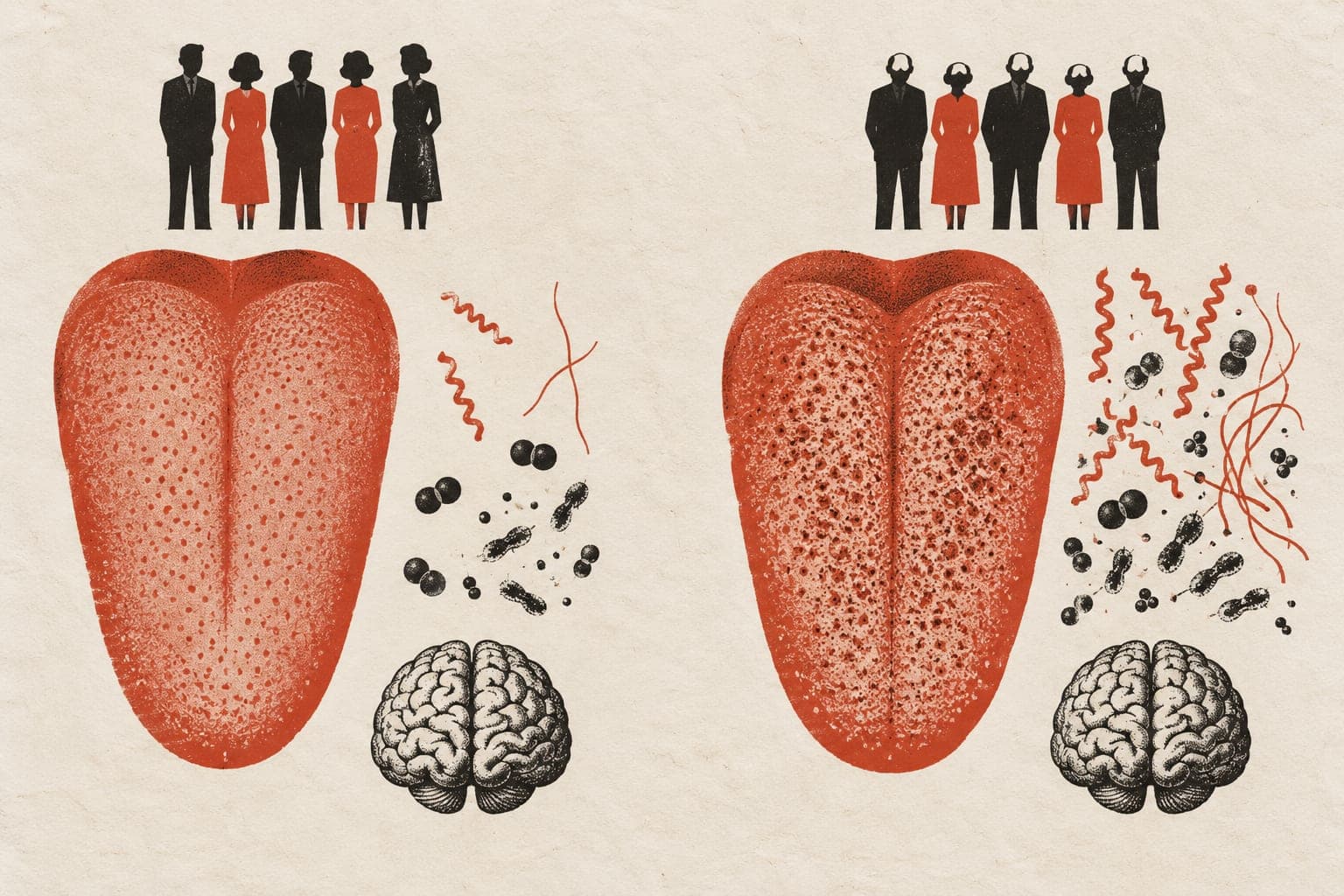
An observational study of 472 people linked nitrate processing by tongue microbes to a lower prevalence of prediabetes.
Cell Reports Medicine
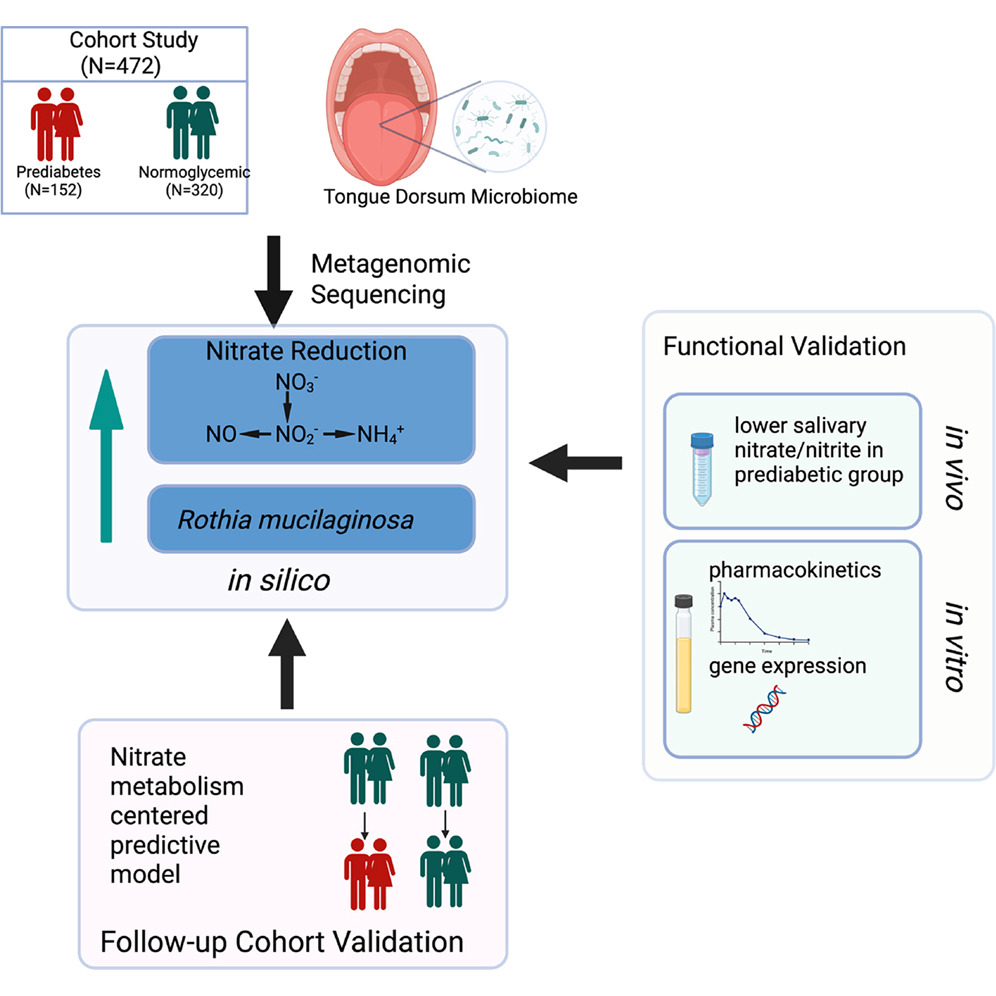
In an observational cohort study of 472 people, researchers analysed microbial DNA from the backs of participants’ tongues. They examined links with prediabetes, when blood sugar is above normal but below the threshold for diabetes.
Of nine microbial pathways linked to prediabetes, nitrate reduction had the strongest association with lower prevalence. This process converts nitrate, a compound found in food, into nitrite. Of 11 types of microbes linked to prediabetes, only the bacterium Rothia mucilaginosa was associated with lower prevalence. People without prediabetes also had higher saliva levels of nitrate and nitrite. Adding microbial features related to nitrate metabolism to clinical risk factors improved the researchers’ classification of the risk of progressing to prediabetes.
Why it matters
Prediabetes is a risk state for type 2 diabetes, a disease that becomes more common with age. The study addresses whether mouth microbes could help identify early disruption of blood sugar control.
Caveats
The observational design cannot show whether microbial nitrate processing caused the difference in prediabetes prevalence. Better risk classification does not establish that changing mouth microbes would prevent prediabetes.
- Microbiome composition
- Nitrate
- Prediabetes
- Nitrite
- Nitrate metabolism-associated microbial features
- R. mucilaginosa
The paper
Oral microbial nitrate metabolism is associated with lower prevalence of prediabetes
Show 12 more authors
Francine Seah, Yi Ling Tang, Maybritte Lim, Eveline Febriana, Michelle H Lee, Kai Soo Tan, Jia Hui Fu, Julie K Yip, Philip M Preshaw, Rohan B H Williams, Sue-Anne Toh, Jonathan Wei Jie Lee,National University of Singapore
Cell Reports Medicine · 7 Oct 2026