Oral bacteria linked to cognition in UK and Belgian adults
Across 60 healthy younger and older adults in the UK and Belgium, researchers found shared bacterial associations with cognitive performance despite geographic microbiome differences.
PLOS One
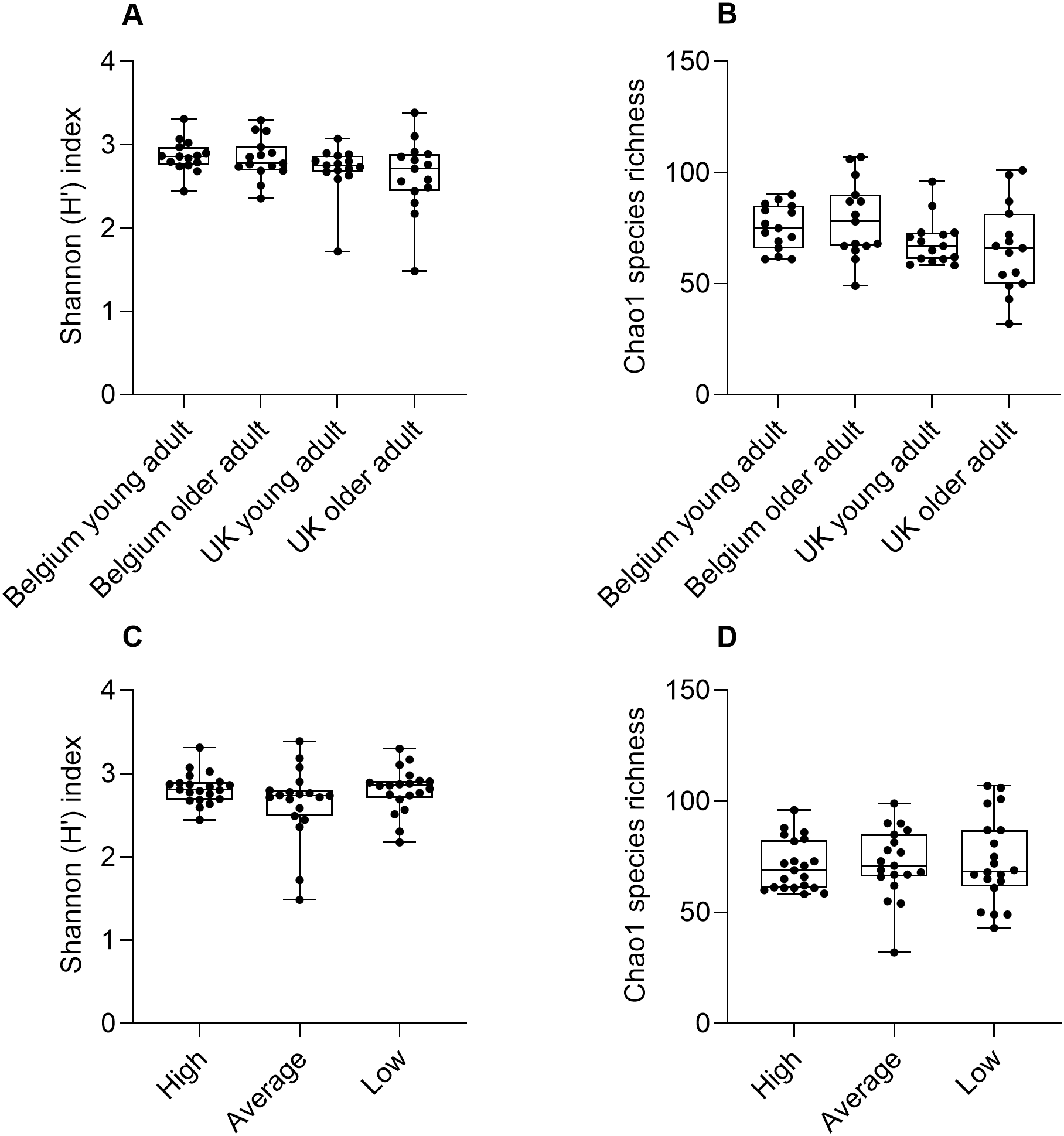
Sixty healthy adults in the UK and Belgium took part, with 15 young and 15 older adults at each location. Participants completed cognitive tests and blood pressure measurements. Researchers analysed plasma and saliva nitrate and nitrite levels and used tongue swabs to assess oral bacteria through 16S rRNA sequencing.
Oral microbiome composition differed geographically, but age-related patterns were consistent across cohorts. Older adults had enrichment of Treponema and Tannerella. The nitrate-reducing bacteria Haemophilus parainfluenzae and Neisseria flavescens were associated with cognitive performance measures in both cohorts. Associations with nitrate and nitrite varied by location and task. In the UK, for example, higher plasma nitrate was associated with better Digit Symbol Substitution Test accuracy and faster responses, but poorer Emotion Recognition Task accuracy.
Why it matters
Shared microbial associations may help guide mechanistic or intervention studies of cognitive health in ageing. Geographic differences highlight the need to account for location in microbiome research.
Caveats
This observational study cannot determine whether oral bacteria influence cognition. The sample comprised only 60 healthy adults across two locations.
- Microbiome composition
- Blood pressure
- Saliva nitrate
- Plasma nitrate
- Digit Symbol Substitution Test
- Humans
The paper
Oral microbiome signatures of ageing and cognitive function across distinct geographical cohorts
Show 2 more authors
Romain Meeusen, Andrew M Jones,University of Exeter Medical School
PLOS One · 5 Oct 2026