Oral bacterium shifts aged mouse profiles toward younger states
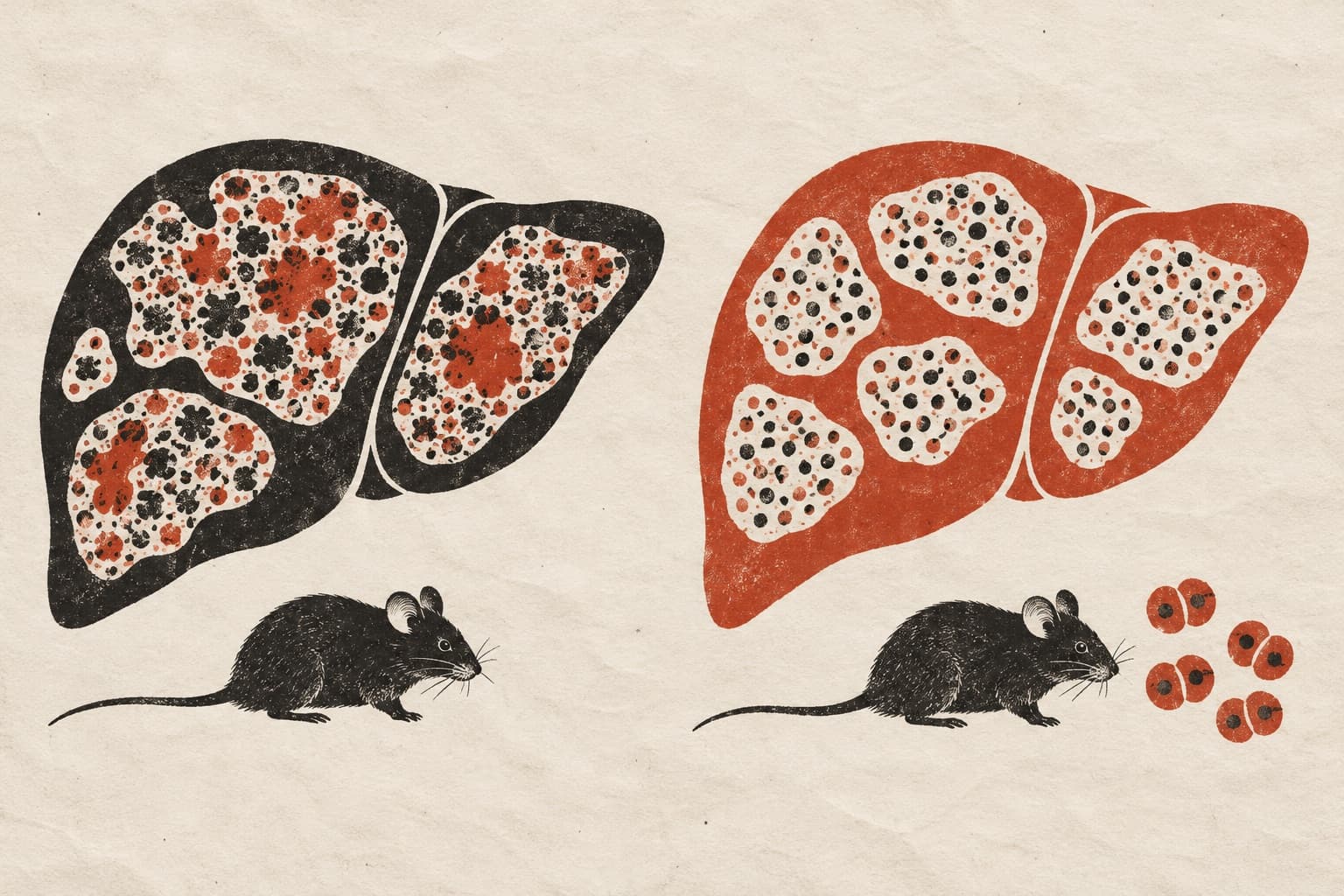
Supplementing aged mice with heat-killed Neisseria flavescens restored their serum metabolome, liver transcriptome and gut microbiome toward younger states.
Nature Aging
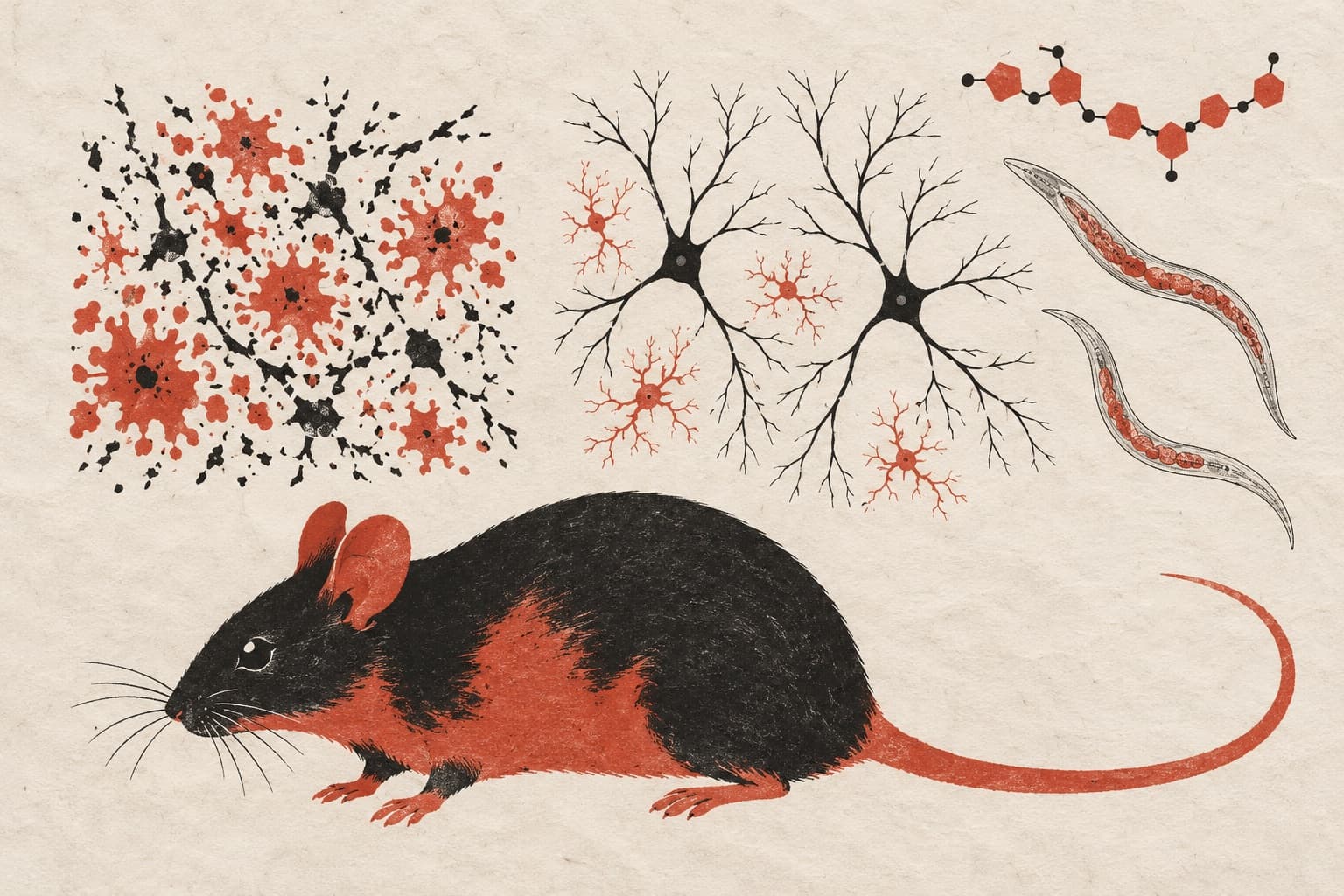
Analyzing human multi-modality data, researchers identified the oral commensal bacterium Neisseria flavescens as associated with decelerated aging. Using a generative framework called AURORA to screen for age-gap-reducing interventions in silico, the authors linked higher N. flavescens abundance to favorable physiological signatures, beneficial gut microbes and the synthesis of beneficial metabolites. They subsequently isolated two N. flavescens strains and confirmed their metabolite production. The researchers then evaluated the bacterium in animal models. Live N. flavescens extended lifespan and healthspan in Caenorhabditis elegans. In aged mice, supplementation with heat-killed N. flavescens shifted the serum metabolome, liver transcriptome and gut microbiome toward younger states.
Why it matters
The findings suggest that the oral microbiome may act as an unrecognized modulator of systemic aging. Identifying commensal bacteria that influence metabolic and transcriptomic states in older animals points toward potential microbial interventions for longevity.
Caveats
The human findings rely on in silico predictions and observational associations rather than clinical trials. In addition, functional lifespan extension was tested only in nematodes, and the mouse study evaluated molecular profiles rather than survival.