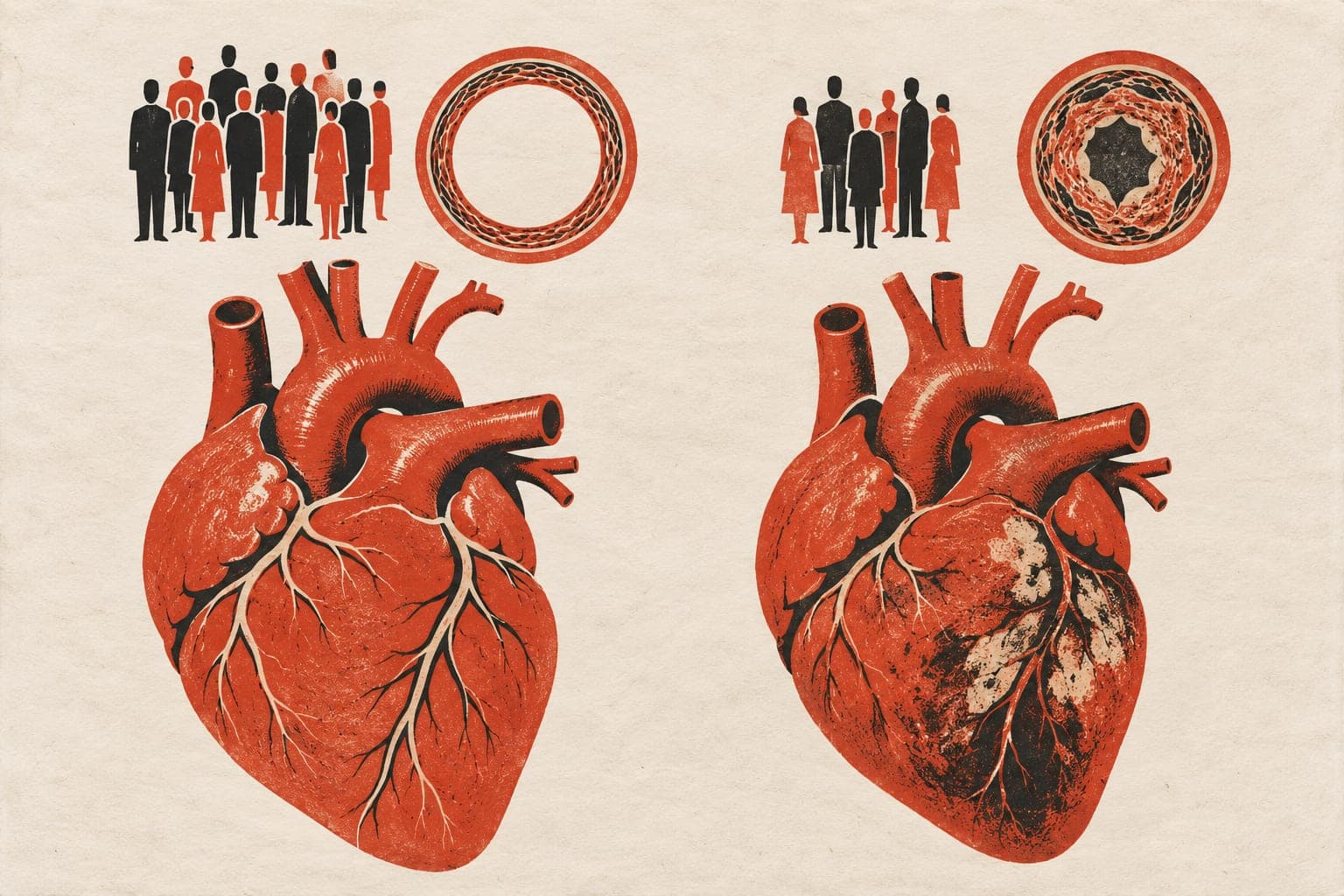
Health score changes linked to disadvantage and later deaths
Compared with no score change, a one-unit rise was linked to relative death rates of 1.46 in men and 1.26 in women.
4.3 years
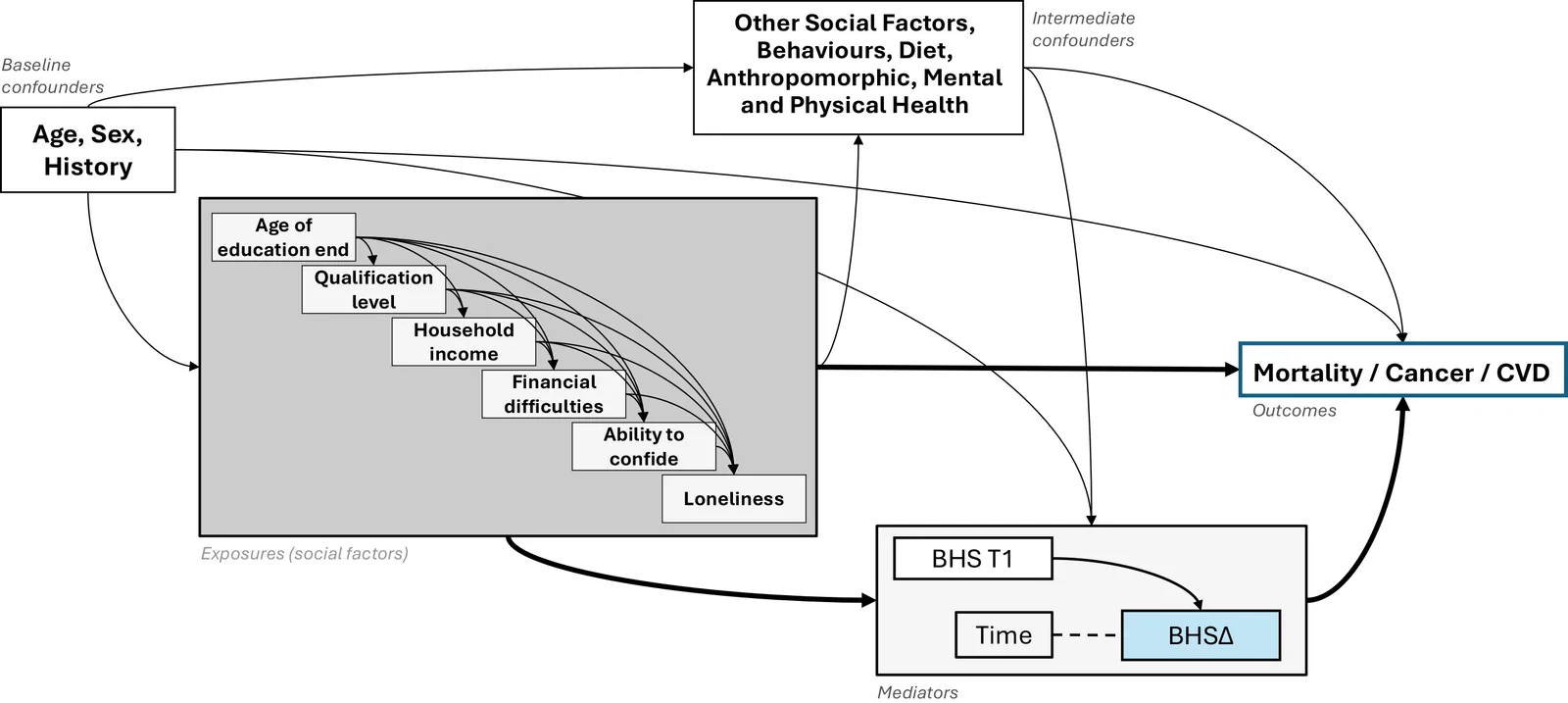
Researchers analysed 20,048 UK Biobank participants aged 37–73 at enrolment in an observational cohort study. Their biological health score combined 15 biological measurements spanning several body systems. Scores rose over an average of 4.3 years. Lower education, lower qualifications and financial difficulties were associated with greater increases.
Greater score increases were linked to later death, cardiovascular disease involving fatty build-up in arteries, and cancer in both men and women. The researchers tracked these outcomes through registry records until December 2022. The outcome analyses accounted for starting scores and time between measurements. Score change accounted for a small part of the association between low income and financial difficulties and death in men. The analysis found no clear evidence of this role in women, or for cardiovascular disease or cancer.
Why it matters
Repeated biological measurements may offer information beyond a single assessment when investigating how social circumstances relate to health as people age.
Caveats
This observational study cannot show that social disadvantage caused the score changes or that those changes caused disease. Participants came from a UK Biobank subset with repeat measurements.
The paper
Imperial College London
EClinicalMedicine, 29 Sep 2026