Heart risk factors stayed high years after the 2008 recession
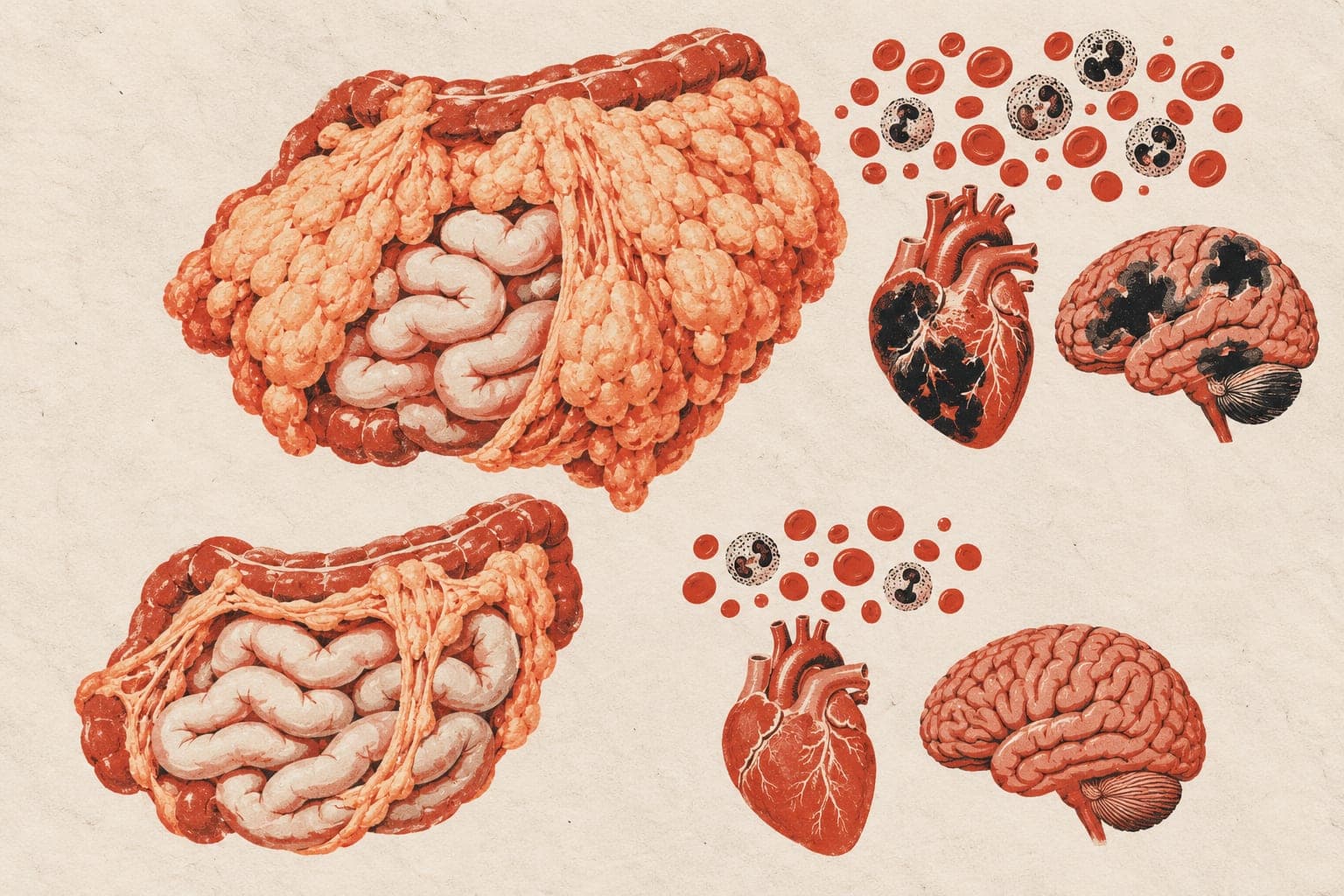
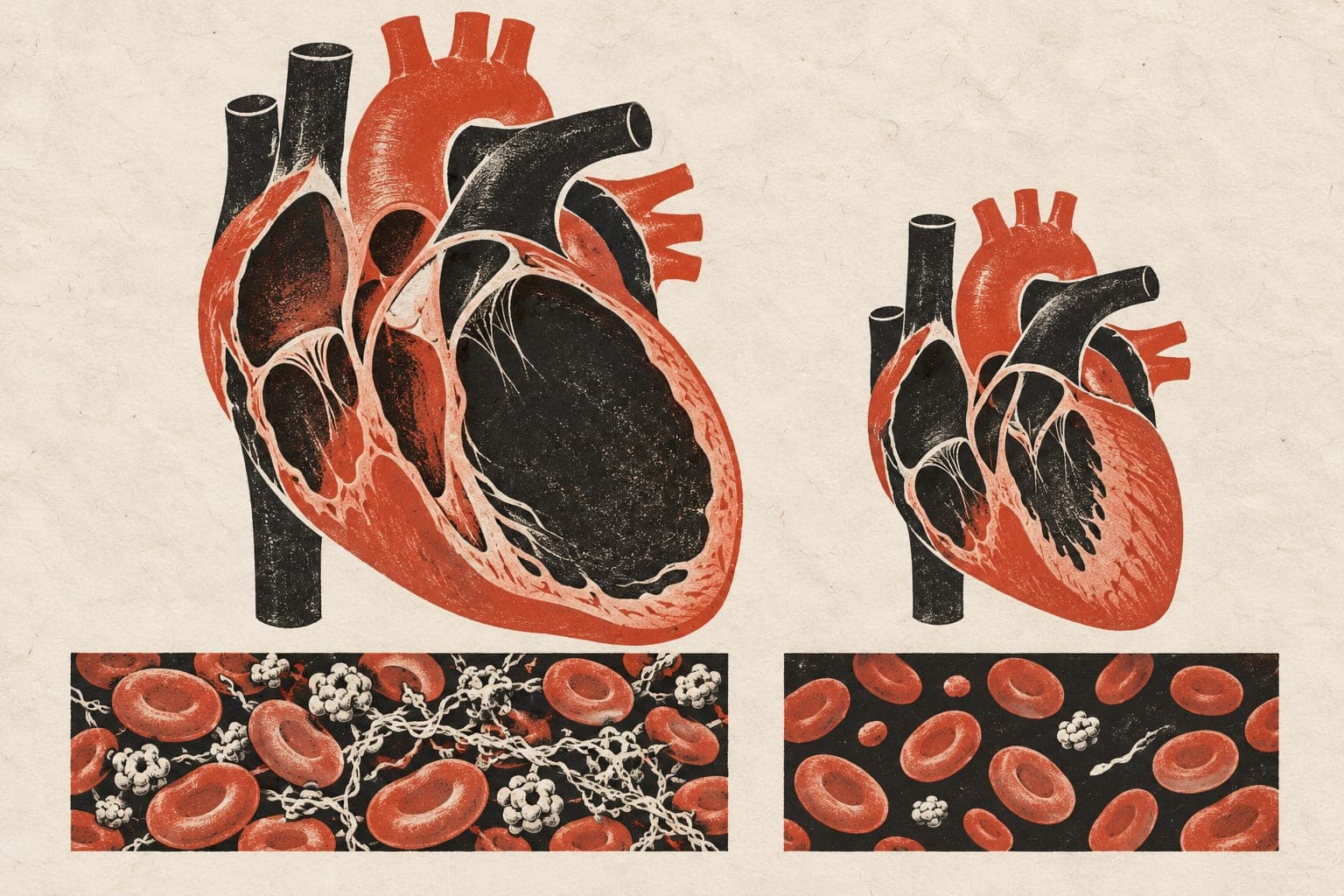
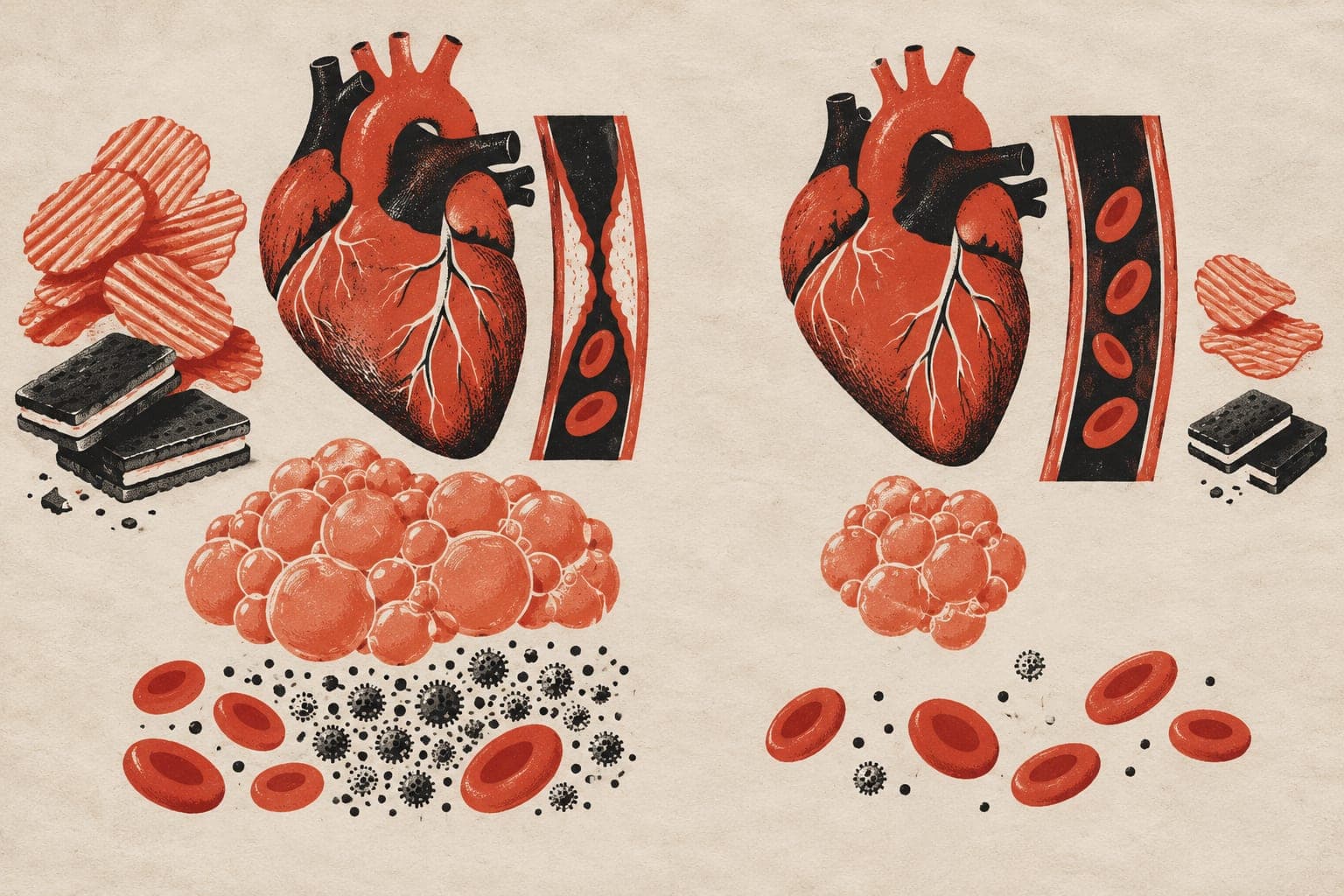
Blood pressure, blood glucose and inflammation markers in 3,101 adults stayed higher than pre-recession trends predicted, with elevations growing larger over eight to ten years.
BMJ Open
In a prospective cohort study of 3,101 US adults across six communities, researchers tracked cardiovascular risk factors before and after the 2008 economic crash. The team compared measurements taken in 2010–2011 and 2016–2018 to each person's pre-recession aging trends.
Systolic blood pressure was 8.6 mm Hg higher in 2016–2018 than expected from individual pre-recession trends, up from a 2.5 mm Hg elevation in 2010–2011. Pulse pressure, the difference between upper and lower readings, was 8.0 mm Hg higher, compared to 3.0 mm Hg earlier. Fasting blood glucose was 6.3% higher, and C-reactive protein, a blood marker of inflammation, was 45.1% higher. By contrast, body mass index dropped by 0.5 kg/m² in 2016–2018, and low-density lipoprotein cholesterol fell by 5.2 mg/dL.
Why it matters
The findings bear on how widespread economic shocks influence physiological trajectories as people grow older, raising questions about whether persistent shifts in these cardiovascular measures ultimately affect mortality.
Caveats
The findings come from an observational study, so they cannot prove that the economic downturn caused the physiological shifts. The analysis was also limited to participants who attended multiple study visits over more than a decade.
The paper
Show 2 more authors
Kari A Moore, Karol E Watson,University of California Los Angeles
BMJ Open · 7 Oct 2026