Rising illness burden linked to stalled US survival gains
The disease-free share declined by nearly 1% annually, while most groups saw five-year death risks stall or rise after the mid-2000s.
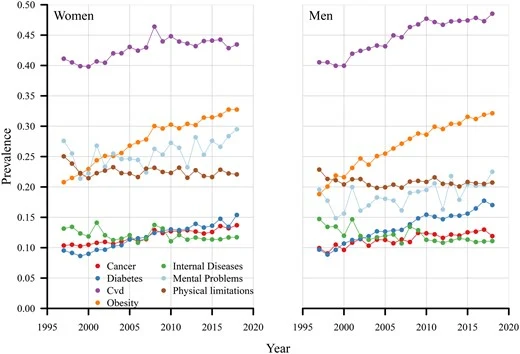
An observational study analysed 510,372 US adults aged 30 or older surveyed from 1997 to 2018, with deaths tracked through 2019. Researchers grouped participants into five disease-history profiles using self-reported illnesses, obesity and physical limitations. They estimated each group’s probability of dying within five years. They also modelled how changes in group sizes and death risks contributed to overall mortality trends.
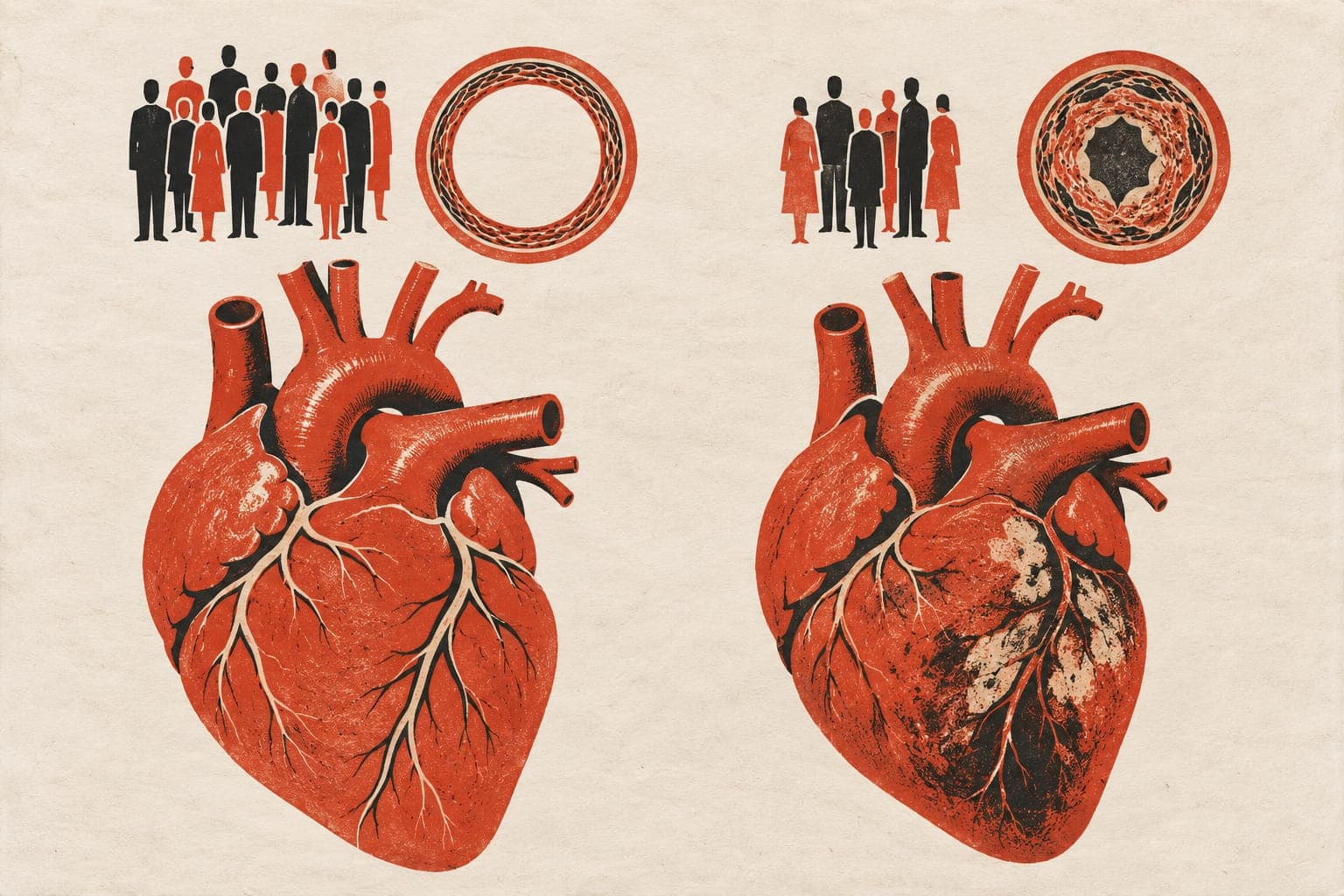
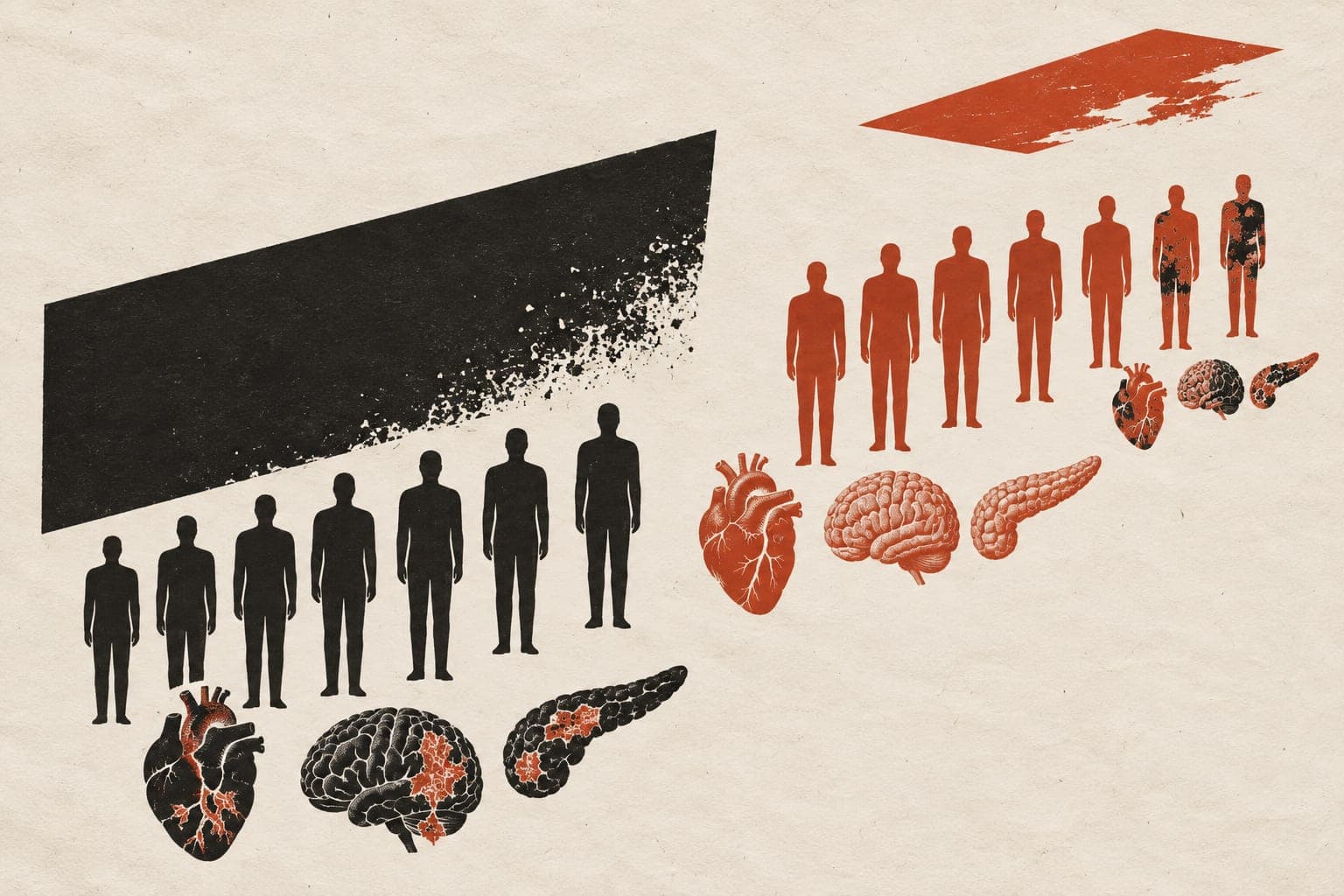
The disease-free group shrank as groups with heavier disease burdens grew. Most groups saw death risks stagnate or rise after the mid-2000s. Falling death risks within groups drove most overall mortality improvements. The shift towards greater illness partly offset those gains.
Why it matters
Tracking disease histories helps examine barriers to longer lives, including at older ages. The authors said the trends highlight the limited reach of prevention and disease-management efforts.
Caveats
The study was observational and relied on self-reported disease histories. Its models cannot establish why disease patterns or death risks changed.
The paper
Sicker at all ages? Two decades of changing disease histories and mortality in the United States
Max Planck Institute for Demographic Research
International Journal of Epidemiology, 18 Aug 2026