Targeting a cell regulator reduced bone loss in mice
In a mouse model of osteoporosis, silencing a gene or inhibiting its protein reduced the activity of cells that break down bone.
Declared no competing interests
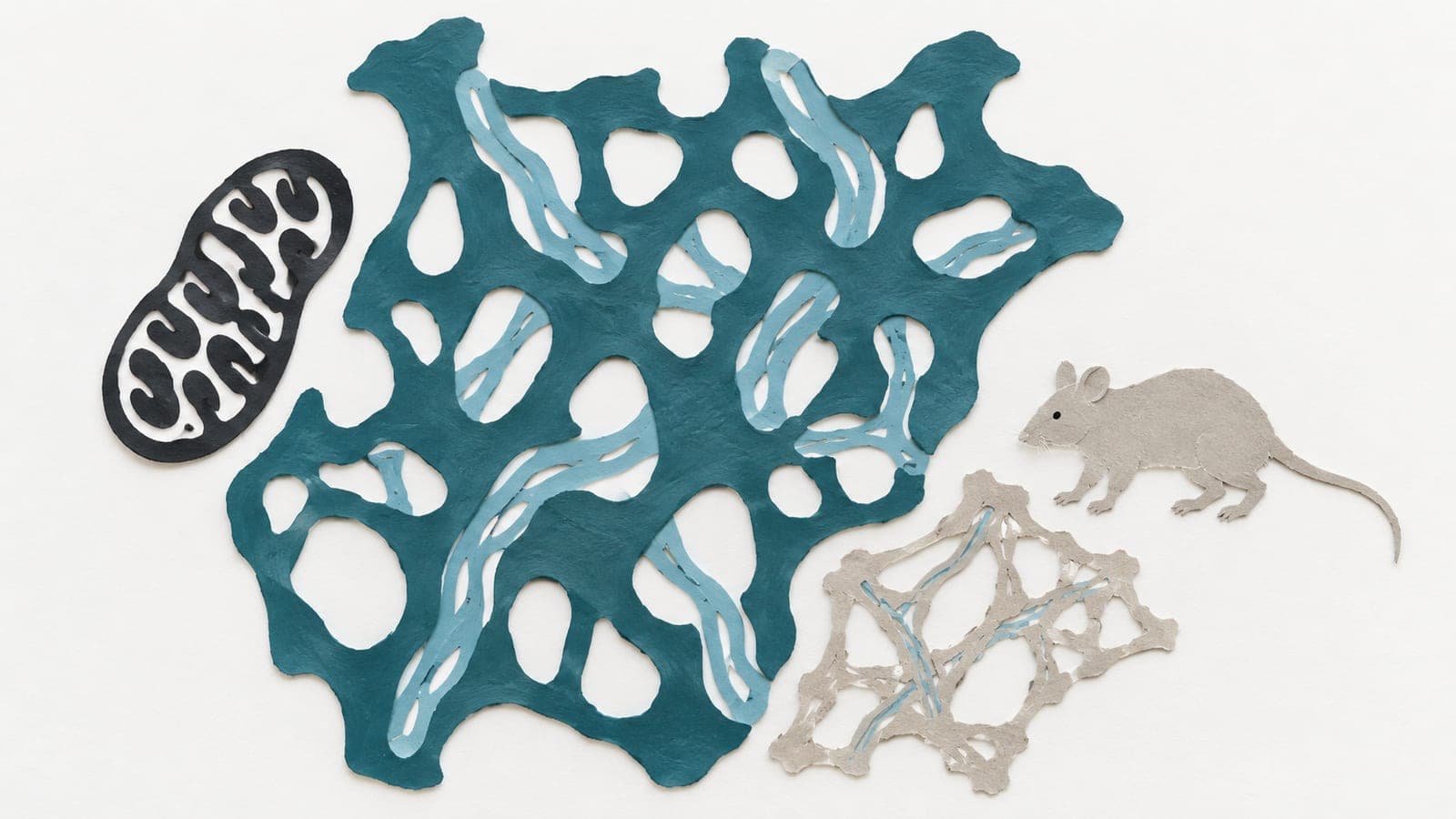
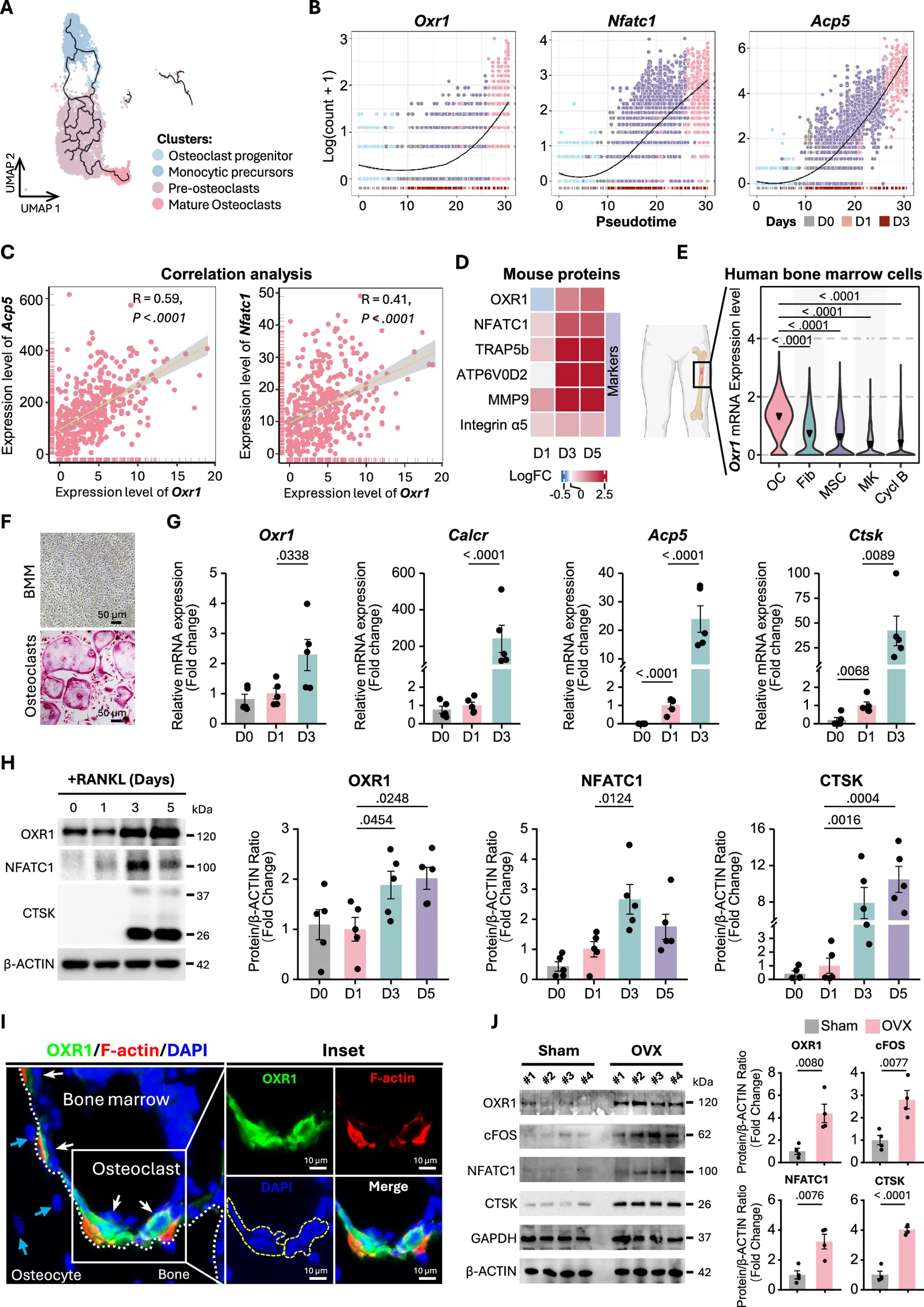
In mice with osteoporosis induced by ovary removal, researchers conducted experiments targeting OXR1, a protein involved in defence against reactive chemicals. Osteoporosis is a disease that weakens bones. The researchers silenced the gene for OXR1 inside bone or inhibited the protein with a drug. Both approaches reduced the activity of osteoclasts, the cells that break down bone, and limited bone loss.
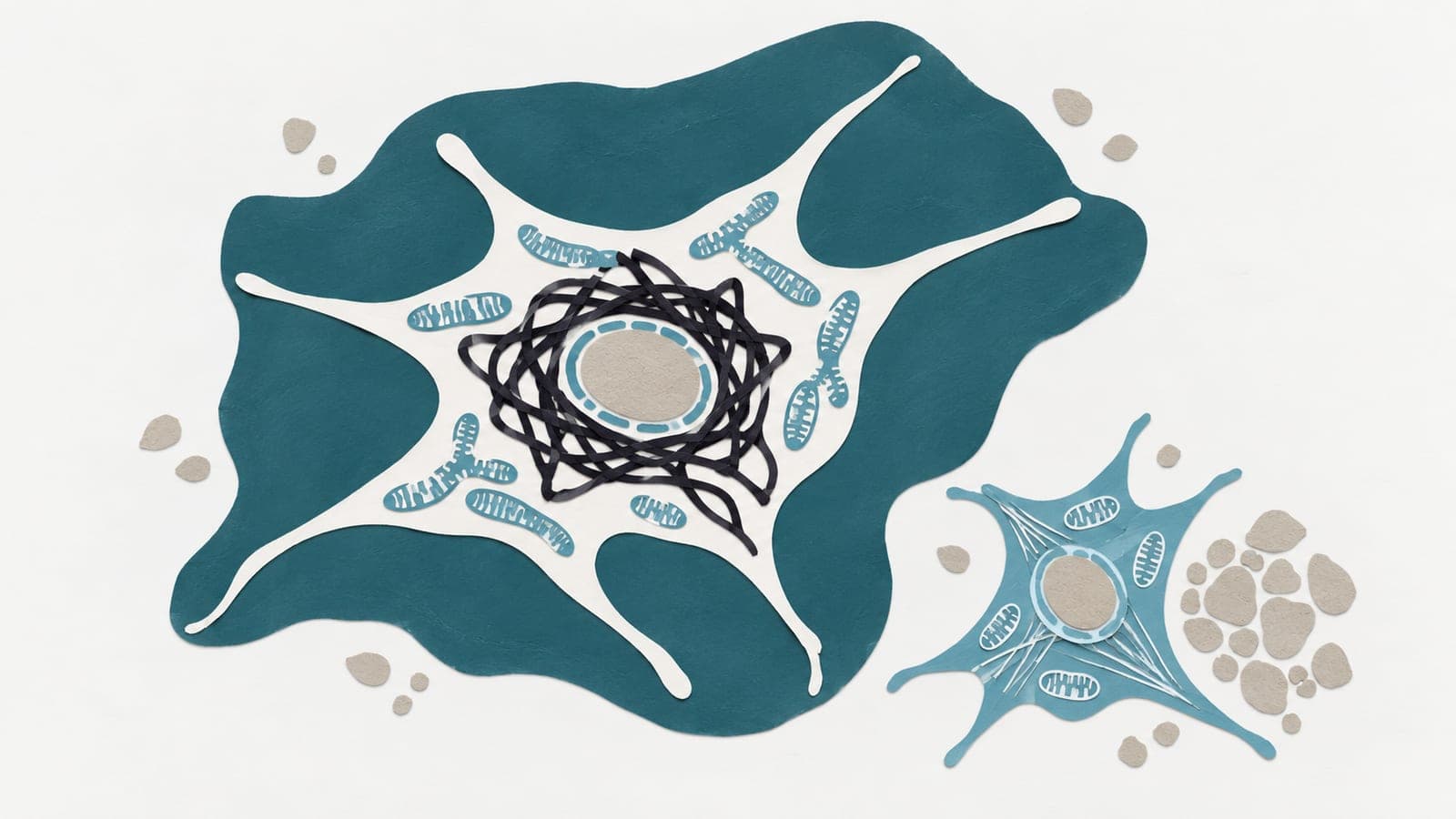
In separate experiments in mouse cells that develop into osteoclasts, reducing the gene’s activity caused excessive accumulation of reactive oxygen species, chemicals that can damage cells. It also damaged mitochondria, the cells’ energy-producing structures, and impaired the cells’ waste-clearing process. The findings suggested that OXR1 helps control these reactive chemicals and remove damaged mitochondria as osteoclasts form.
Why it matters
The authors suggested OXR1 as a potential target for preventing bone loss driven by bone-removing cells in osteoporosis.
Caveats
The bone-loss results came from a mouse model, not tests in people. The abstract did not report sample sizes or the size of the reduction in bone loss.
The paper
The University of Western Australia
Nature Communications, 5 Sep 2026, Open access