Older deaf bilinguals show larger Stroop effects in English
In a study of 108 deaf ASL-English bilinguals aged 21 to 88, older adults showed larger Stroop interference than younger adults, particularly in English response times.
Journal of the International Neuropsychological Society
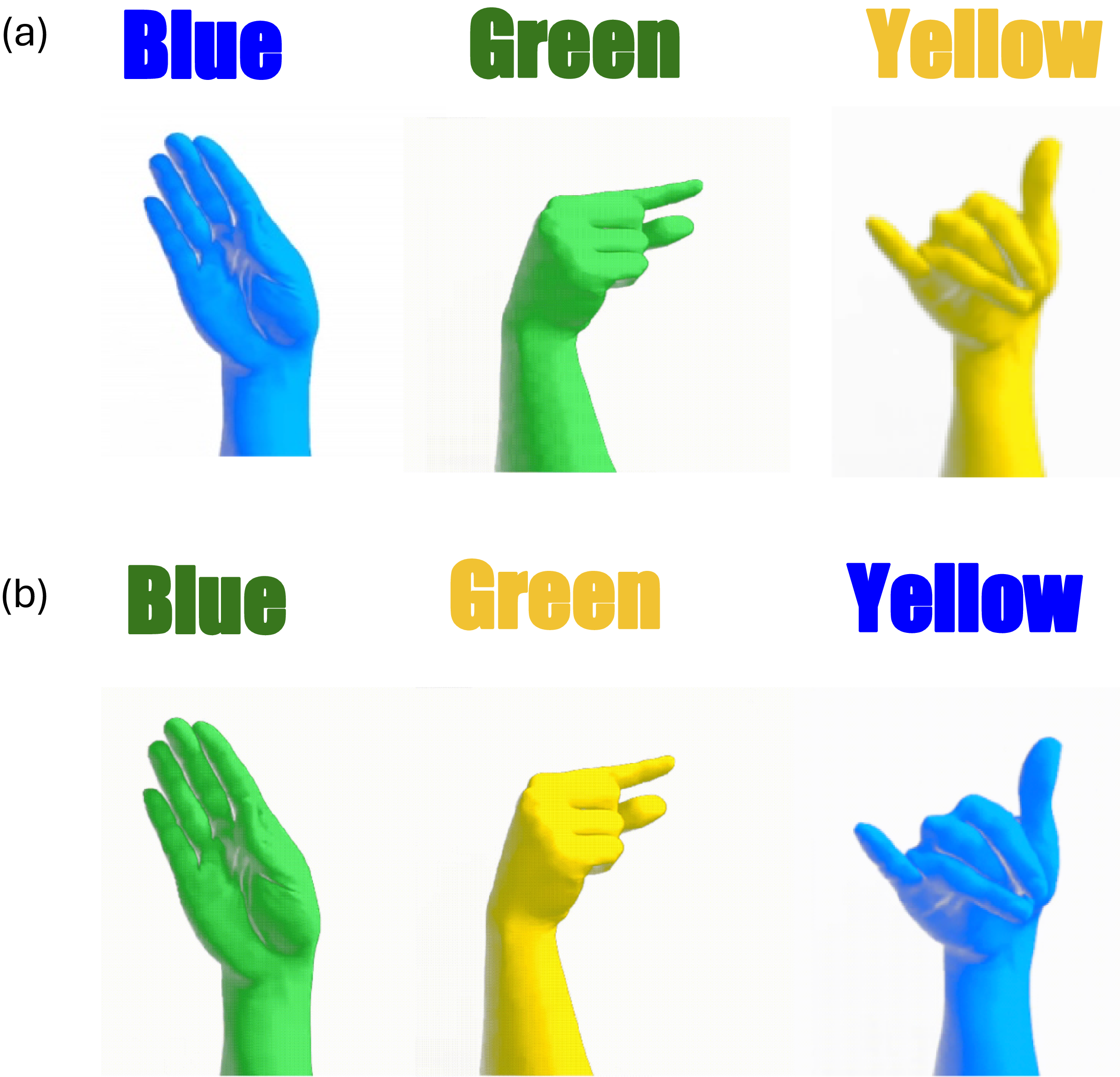
In a study of 108 deaf American Sign Language (ASL) and English bilinguals aged 21 to 88, researchers examined cognitive control across age groups. Participants completed two computerized Stroop tasks using either ASL video stimuli of color signs or printed English color words. In both tasks, participants signed their responses in ASL across 120 trials, consisting of 84 congruent and 36 incongruent trials. Stroop interference was larger with English than with ASL stimuli in both response times and errors. Additionally, older participants showed larger Stroop effects than younger participants, especially in English response times. Aging effects on error rates were not significant in either language.
Why it matters
The findings show that age-related changes in inhibitory control can differ depending on the language modality being processed. Understanding these differences may help identify the most sensitive cognitive screening tools for detecting impairment in aging deaf populations.
Caveats
The study was cross-sectional, and the researchers note that more work is needed to establish why English stimuli are more sensitive to aging in deaf signers.
The paper
San Diego State University · University of California San Diego
Journal of the International Neuropsychological Society · 2 Oct 2026