APOE4 alters olfactory neurons across age and sex in mice
Whole-cell recordings in adult and aged humanized mice showed that APOE4 modified pyramidal cell and interneuron properties depending on both age and sex.
bioRxiv
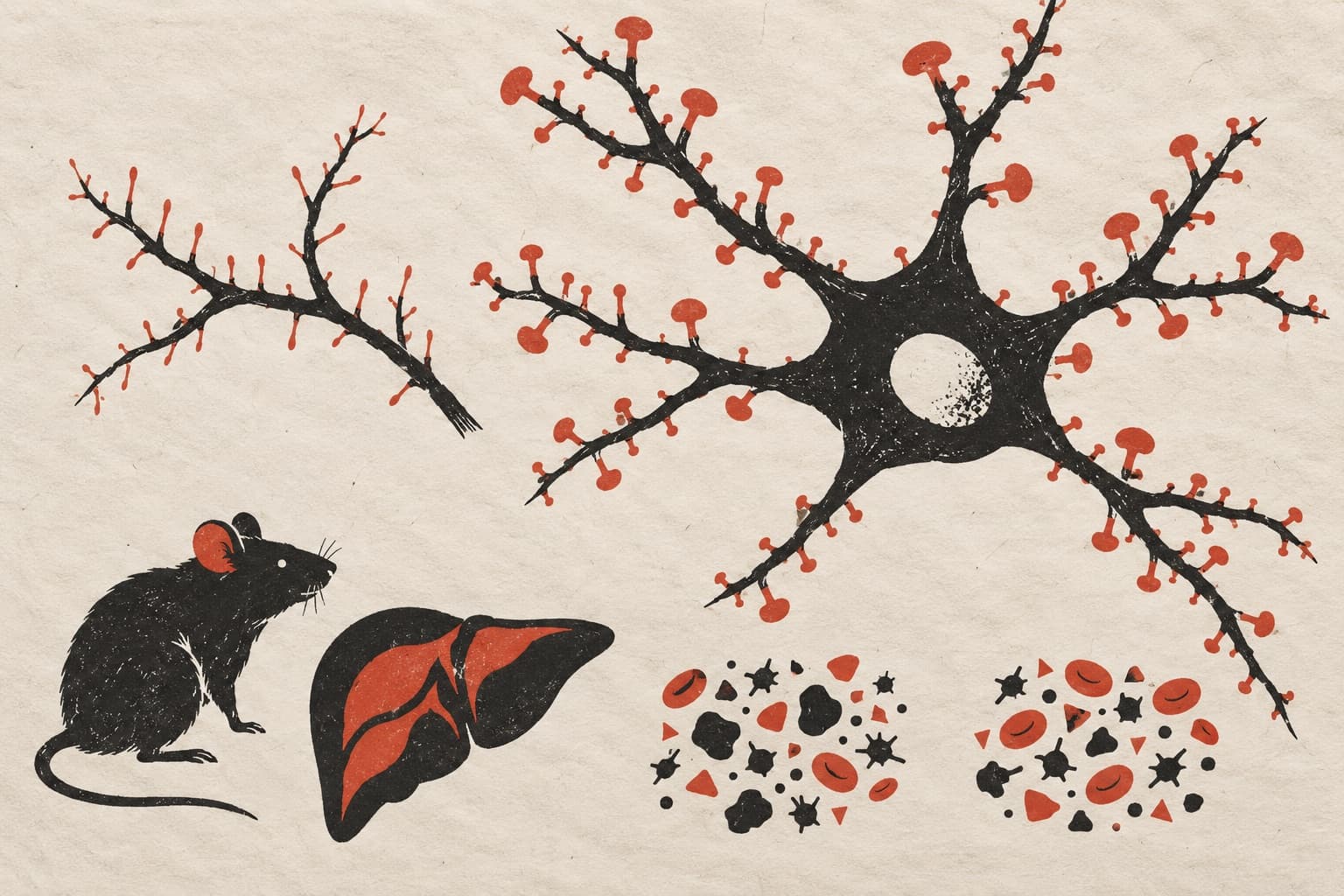
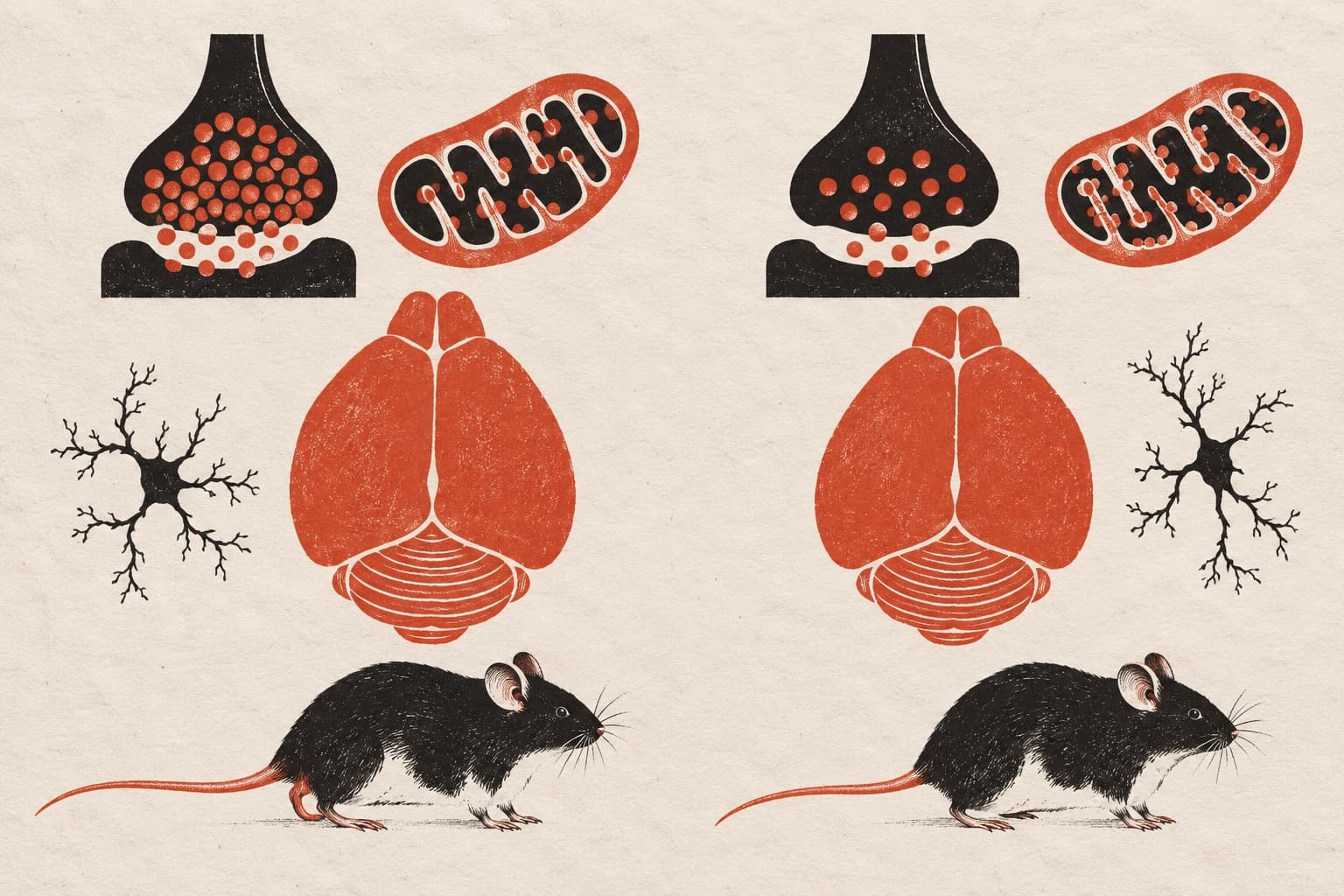
In adult and aged humanized APOE3 and APOE4 knock-in mice of both sexes, researchers examined structural, intrinsic, and synaptic features of neurons in the anterior olfactory nucleus. Using whole-cell recordings and morphological reconstructions, the team found that APOE genotype shaped neuronal traits through interactions with age and sex. In pyramidal cells, morphology responded broadly to genotype, age, and sex interactions. Functionally, aged APOE4 pyramidal cells showed a more depolarized resting membrane potential than aged APOE3 cells. The difference in afterhyperpolarization amplitude between genotypes reversed direction from adulthood to aging. Excitatory synaptic event frequency showed a three-way interaction of genotype, age, and sex, while inhibitory event amplitude was elevated in APOE4 mice. Interneurons exhibited fewer changes; genotype effects were confined to action potential amplitude, and dendritic length was modulated by age and sex specifically in APOE4 mice.
Why it matters
The anterior olfactory nucleus is affected very early in Alzheimer's disease. These findings indicate that carrying APOE4 produces context-dependent cellular baseline states that may alter how circuits respond to aging and subsequent neurodegenerative stress.
Caveats
The study was conducted in mouse brain slices rather than humans, and the findings are described in a preprint that has not yet been peer-reviewed.
The paper
University of Georgia
bioRxiv · 26 Sep 2026 · Preprint, not peer-reviewed