Combination of Empagliflozin and Resveratrol Mitigates Hepatic Steatosis via Attenuation of Inflammation and Promotion of Adipose Tissue Browning in High-Fat Diet-Fed C57BL/6J Mice
23 weeks
Abstract
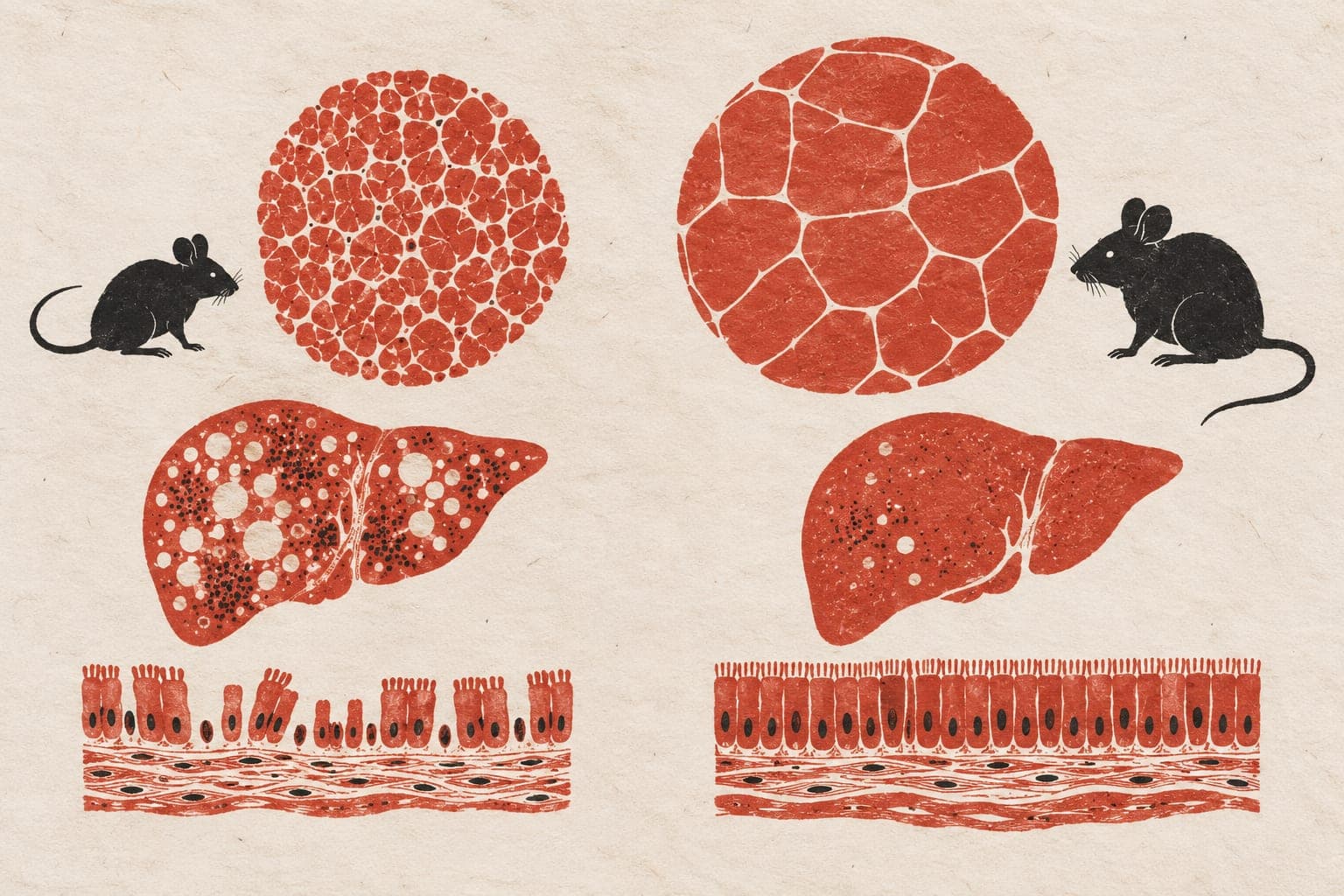
Metabolic dysfunction-associated steatotic liver disease (MASLD) is a major hepatic complication of obesity with a complex pathogenesis. This study aims to investigate the combined effects of empagliflozin (EMPA) and resveratrol (RSV) treatment on obesity-associated MASLD in a high-fat diet (HFD)-fed mouse model. C57BL/6J mice were fed by HFD for 23 weeks, along with treatment with EMPA (0.01% w/w), RSV (0.4% w/w), and their combination. Metabolic parameters, glucose tolerance, hepatic steatosis, inflammation, and adipose tissue morphology and function were evaluated using biochemical assays, histology, immunofluorescence, qPCR, western blotting, and 18F-FDG PET scan. Combination therapy reduced body weight gain and improved glucose tolerance more effectively than monotherapies. It significantly alleviated hepatic steatosis, as shown by decreased liver weight, triglyceride content, MASLD activity score (MAS), and serum ALT/AST levels. Co-treatment also reduced hepatic inflammation by suppressing macrophage infiltration, shifting macrophages toward an M2 anti-inflammatory phenotype, inhibiting NF-κB activation, and enhancing AMPK phosphorylation. Furthermore, the combination more effectively activated brown adipose tissue thermogenesis and induced browning in subcutaneous white adipose tissue, evidenced by upregulation of UCP1, PGC-1α, TFAM, and TMEM26, increased mitochondrial biogenesis, and enhanced cold tolerance. The combination of EMPA and RSV exerts a multi-targeted therapeutic effect against HFD-induced MASLD. This combination represents a promising novel strategy for MASLD prevention.
- Empagliflozin
- Resveratrol
- Inflammation
- AMPK signalling
- Metabolic dysfunction-associated steatotic liver disease
- Mice
The paper
Tehran University of Medical Sciences
FASEB Journal, 1 Oct 2026