Dietary restriction activates autophagy through selective oxidation of ATG5
Reversible oxidation of a single cysteine residue enables core autophagosome formation and prevents severe tissue pathology during nutrient limitation in mice.
bioRxiv
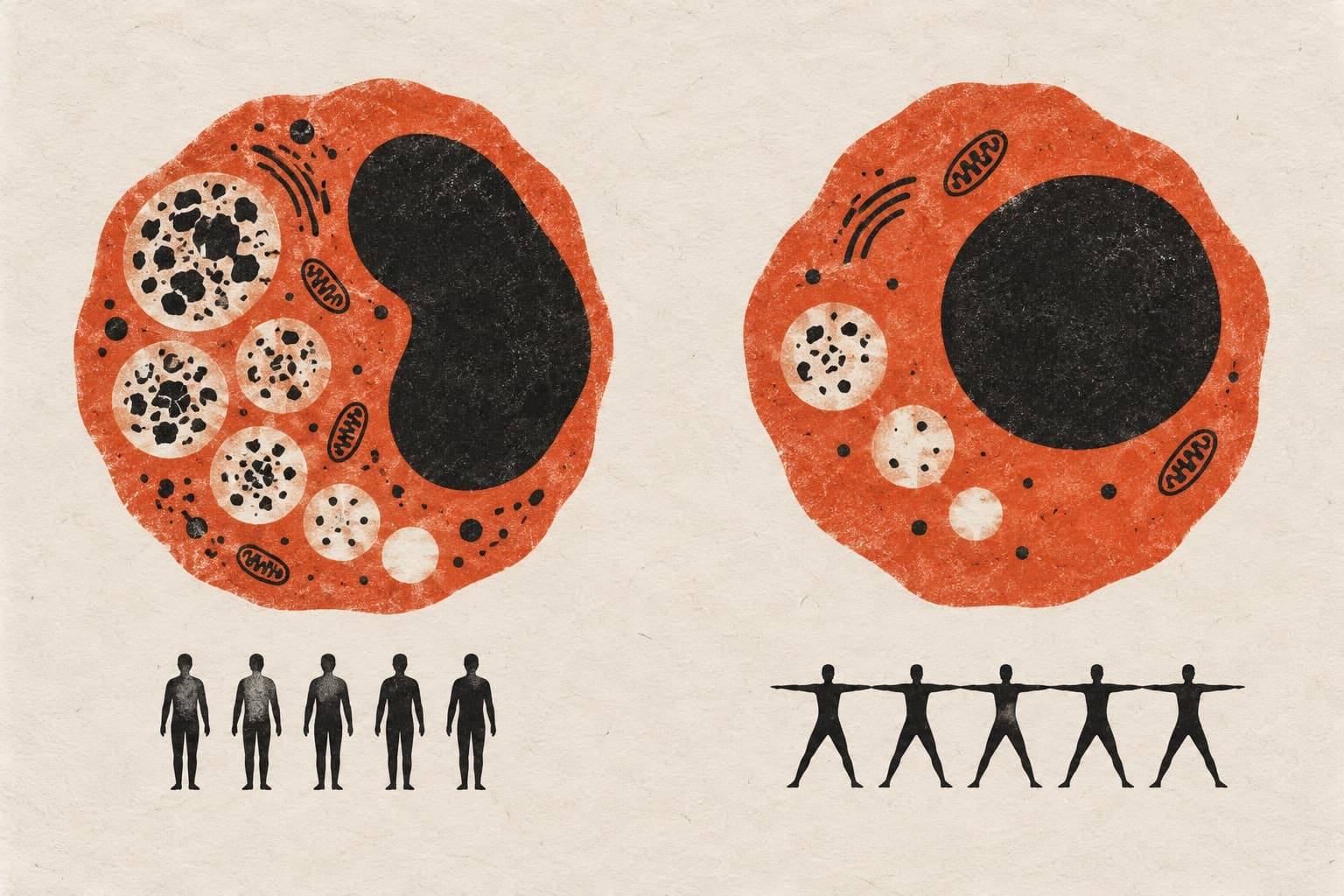
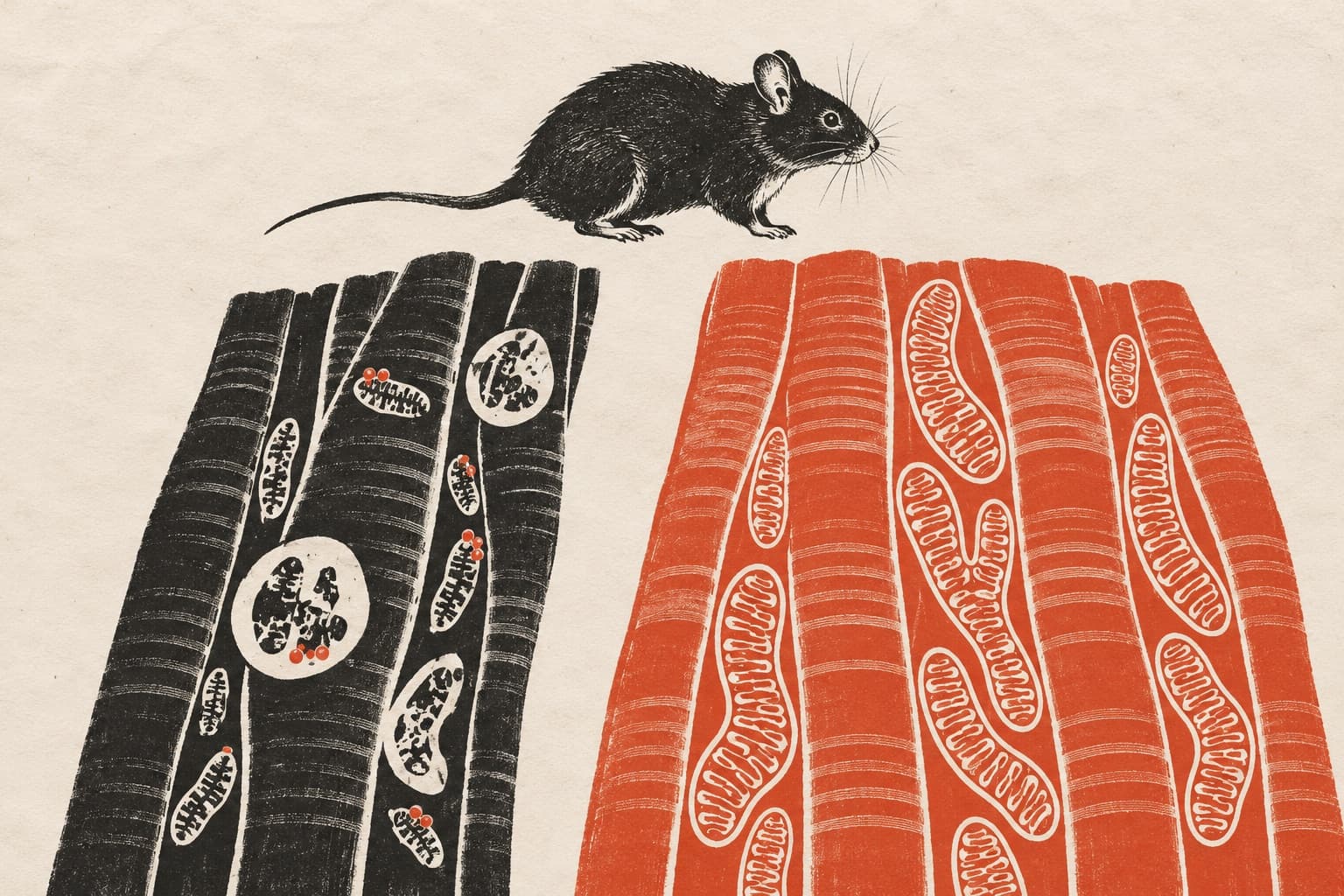
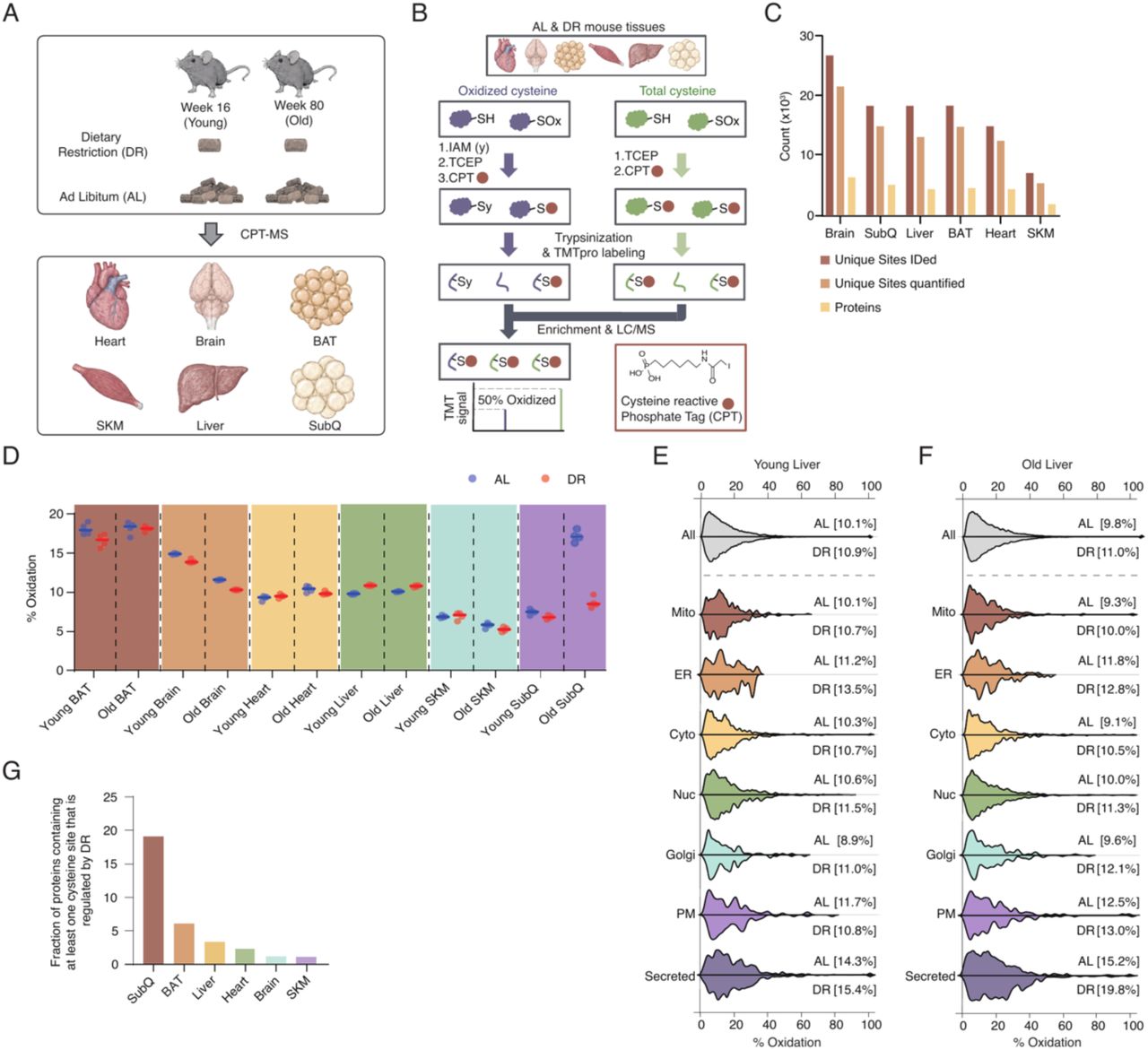
In human cells and mice, researchers investigated how dietary restriction directs cellular adaptation through reactive oxygen species, reporting their findings in a preprint. The authors constructed OxiDR, a tissue-resolved atlas profiling cysteine redox states during dietary restriction. Rather than causing broad oxidation, dietary restriction selectively altered a specific set of cysteines in a tissue-dependent manner. One of the most oxidized targets was cysteine 19 on ATG5. Reversible oxidation of this residue was required for ATG5 to bind ATG10, form the ATG5-ATG12 conjugate, lipidate LC3B/ATG8, and mature autophagosomes upon nutrient restriction. When mice lacked this redox switch, they failed to initiate autophagy under nutrient deprivation, which led to gross tissue pathology and rapid mortality.
Why it matters
Dietary restriction is a well-established intervention for extending lifespan and protecting metabolic health. Uncovering this cysteine switch identifies a direct molecular mechanism linking restriction-induced oxidative signals to life-preserving autophagy.
Caveats
This work is a preprint that has not yet undergone peer review. Furthermore, the physiological and survival outcomes following the loss of this redox switch were established only in animal models.
The paper
Redox activation of ATG5 licenses autophagy upon nutrient restriction
Show 14 more authors
Nils Burger, Bingsen Zhang, Haopeng Xiao, Yaoyu Wang, Jonathan J. Petrocelli, Shelley M Wei, David Wood, Lei Yu, Xiaomei Zhang, María C. Pérez-Matos, Muneeb A Sharif, Jiuchun Zhang, Helena M. Cochemé, William B. Mair,Harvard University · Howard Hughes Medical Institute
bioRxiv · 24 Sep 2026 · Preprint, not peer-reviewed