Peroxisomal enzyme ACOX-1.2 enables extended lifespan in long-lived roundworms
Inhibiting the fatty acid oxidation enzyme suppresses both autophagy and longevity in long-lived rsks-1 mutant Caenorhabditis elegans.
Current Issues in Molecular Biology
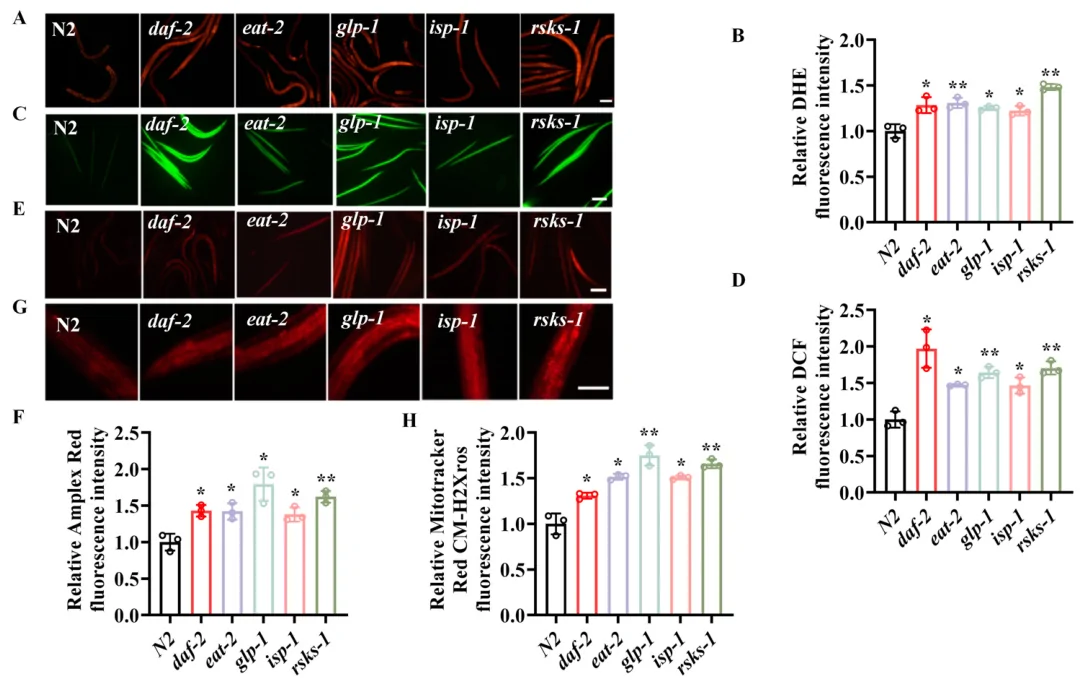
In Caenorhabditis elegans, researchers assessed reactive oxygen species levels across five long-lived mutant strains using four distinct probes. They observed elevated hydrogen peroxide levels specifically in rsks-1 mutants. Transcriptomic analysis revealed that genes involved in peroxisomal fatty acid beta-oxidation were upregulated in this strain. The team determined that the peroxisomal enzyme ACOX-1.2 regulates this shift in hydrogen peroxide metabolism. Furthermore, lifespan assays and genetic tests showed that knocking down acox-1.2 via RNA interference suppressed the increased autophagy and lifespan seen in rsks-1 worms. These results establish that peroxisomal fatty acid beta-oxidation helps govern longevity regulation in this invertebrate model.
Why it matters
The findings identify peroxisomal fatty acid beta-oxidation as a key metabolic driver of autophagy and longevity regulation in aging biology.
Caveats
This research was conducted exclusively in Caenorhabditis elegans, and the effects were identified in a specific mutant genetic background.