Association Characteristics and Potential Mechanisms of Aging, Gut Microbiota, and Hearing Loss
Abstract
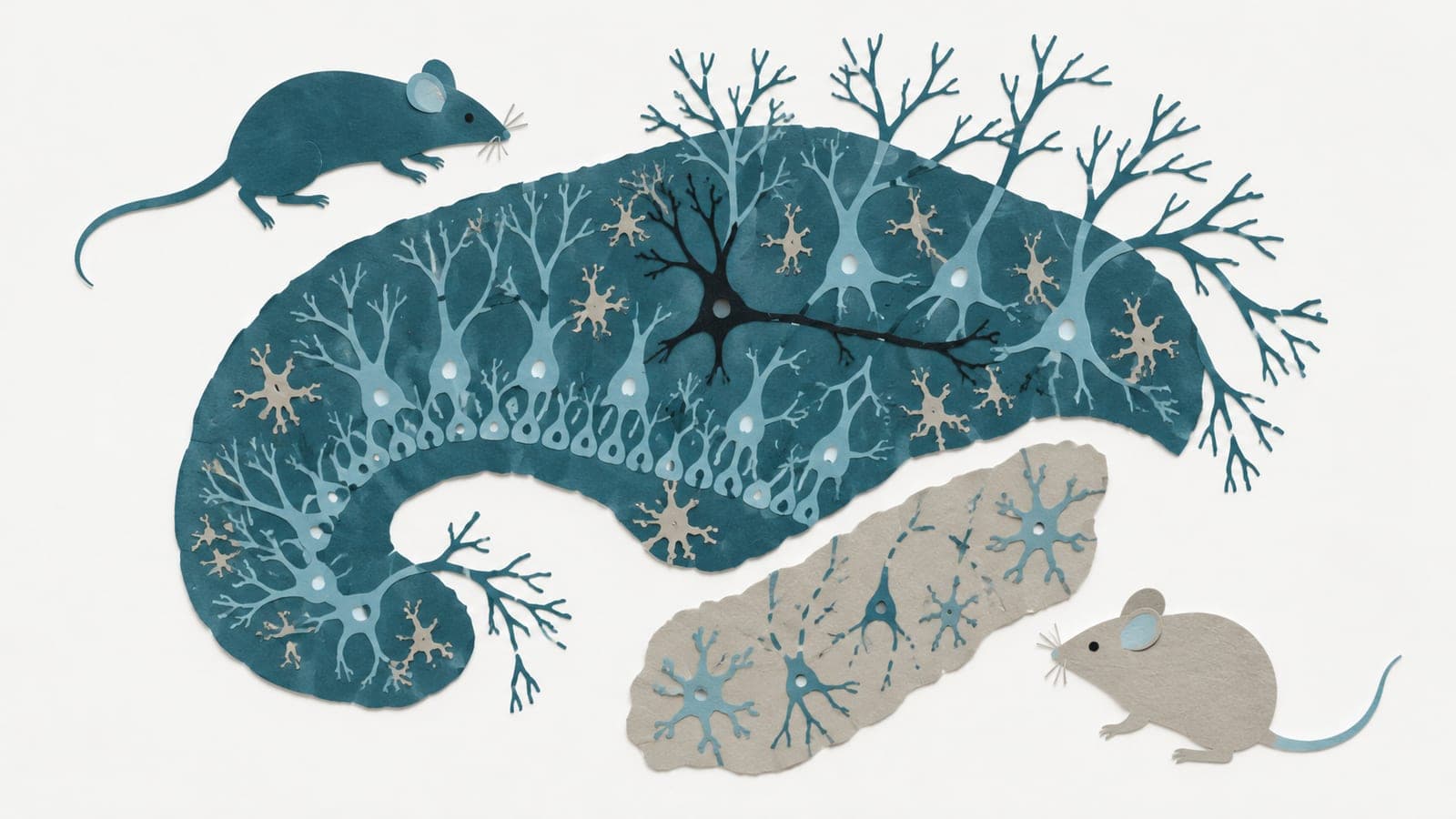
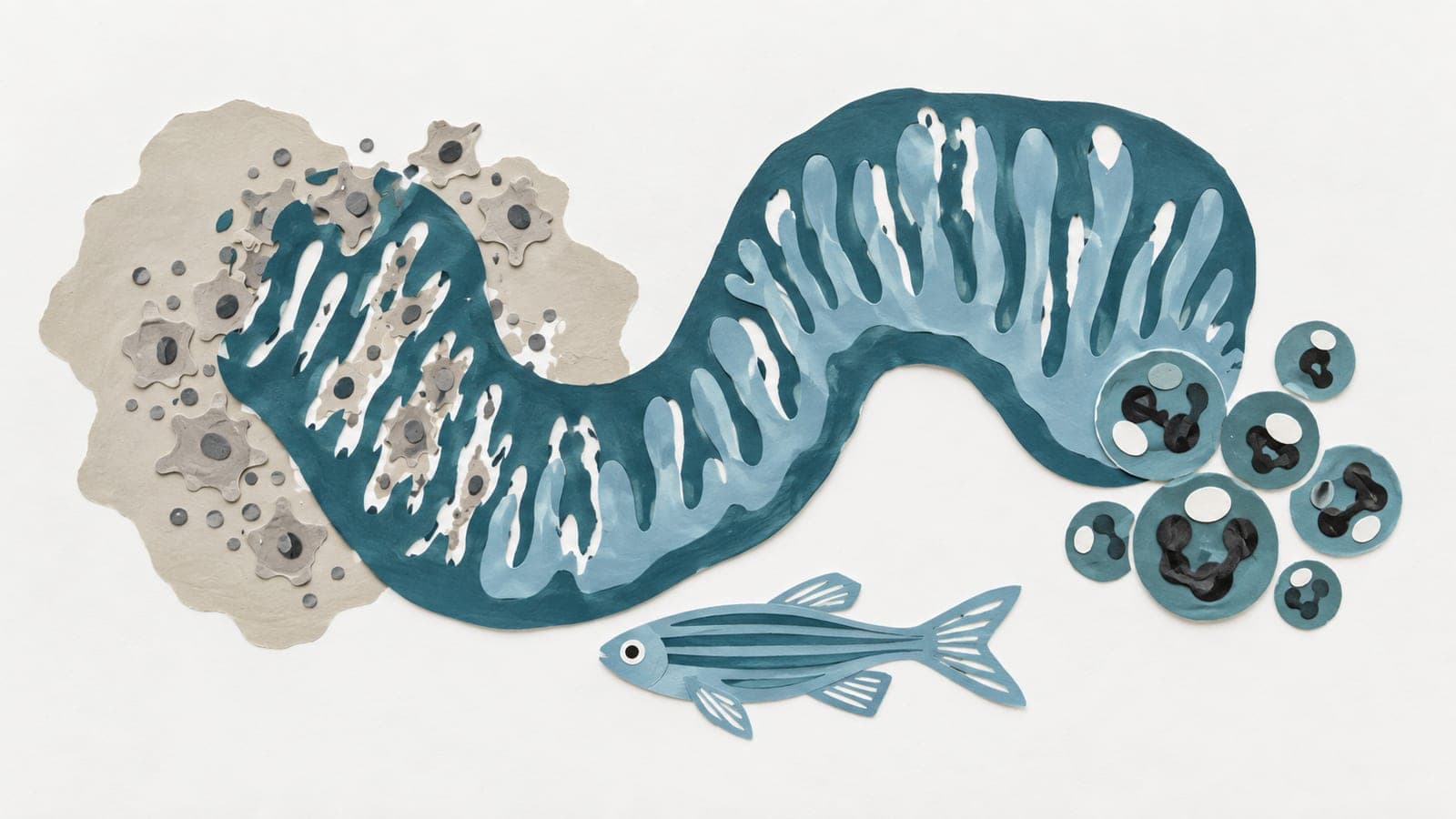
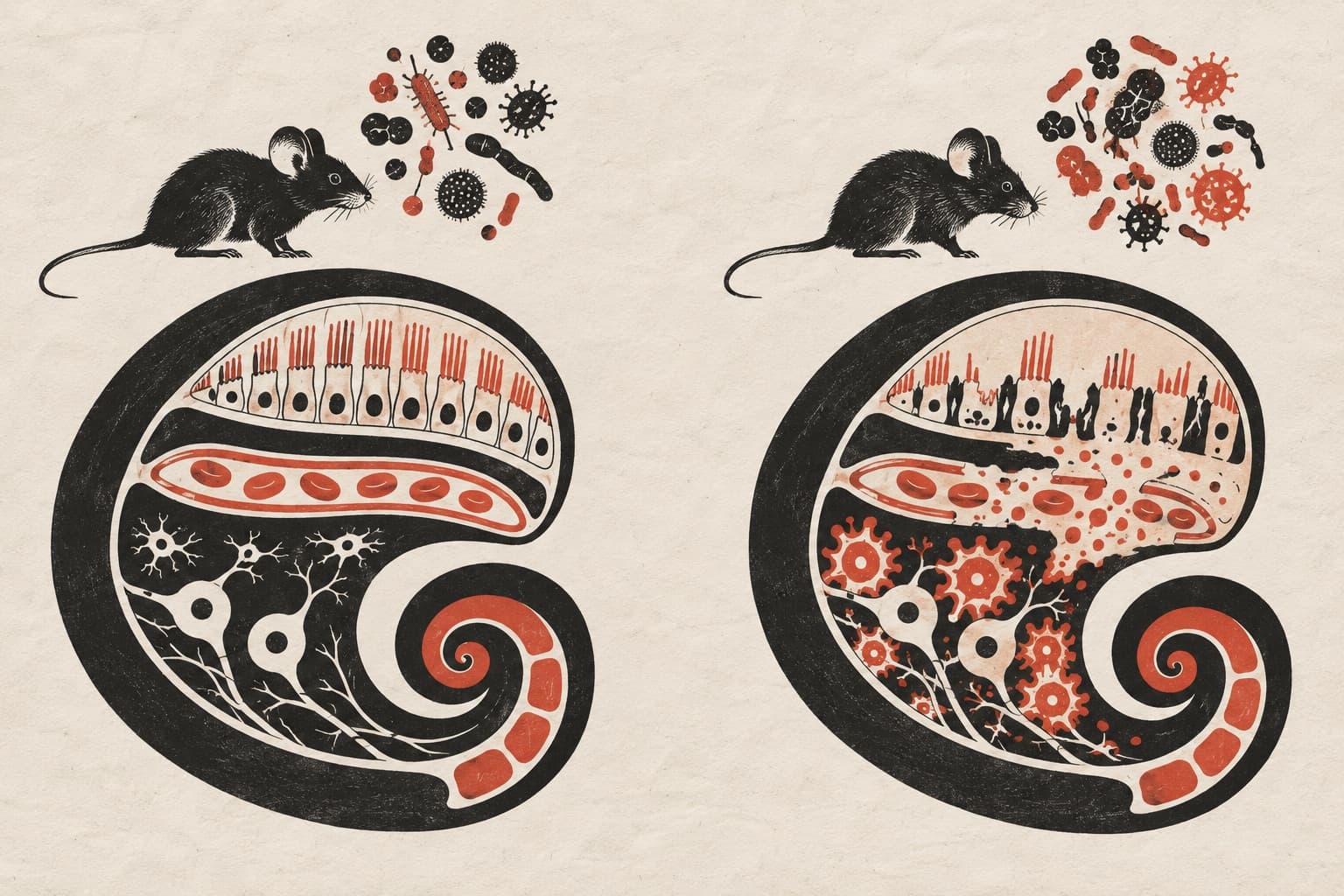
Age-related hearing loss (ARHL) is the leading sensory disability among the global elderly, yet its pathogenesis remains unclear. The "gut-ear axis" hypothesis offers a novel perspective. Using young, middle-aged, and aging C57BL/6 mice, we systematically investigated the interplay between aging, gut microbiota, and hearing loss through auditory function tests, cochlear histology, microbiome, and metabolome profiling. Results showed that aging induced a gradient hearing decline starting at high frequencies, progressing to severe pan-frequency loss in old age. Histology confirmed the degeneration of inner hair cells and synaptic connections, alongside hair cell loss in the basal cochlea. While gut microbiota α-diversity remained stable, β-diversity shifted significantly, marked by increased Bacteroidota and decreased Bacillota. Furthermore, 22 genera, 67 species, and 207 functional pathways were identified as being commonly associated with both aging and hearing loss. Metabolomic profiling further screened out 285 metabolites significantly associated with aging, 16 of which were also correlated with hearing loss. KEGG enrichment analysis suggested that chronic inflammation mediated by arachidonic acid metabolism, energy metabolic dysfunction regulated by the PPAR signaling pathway, and actin cytoskeleton homeostasis imbalance may represent a potential axis linking systemic metabolic dysregulation to cochlear‑specific damage. Moreover, these metabolites exhibited significant correlations with gut microbiota abundance. In conclusion, aging is associated with ARHL progression alongside gut microbiota remodeling and metabolic dysregulation. These findings supported a potential relationship between gut microbial-metabolic alterations and ARHL, which suggested that the gut microbiota may represent a candidate target for future mechanistic investigation.
The paper
Chinese Academy of Sciences; Xinjiang University
Integrative Zoology, 30 Jul 2026, Open access