Gut microbes from hearing loss patients trigger inner ear damage in young mice
Fecal transplants from elderly hearing loss patients induced blood-labyrinth barrier breakdown, neuroinflammation, and hair cell loss in recipient mice.
Research Square
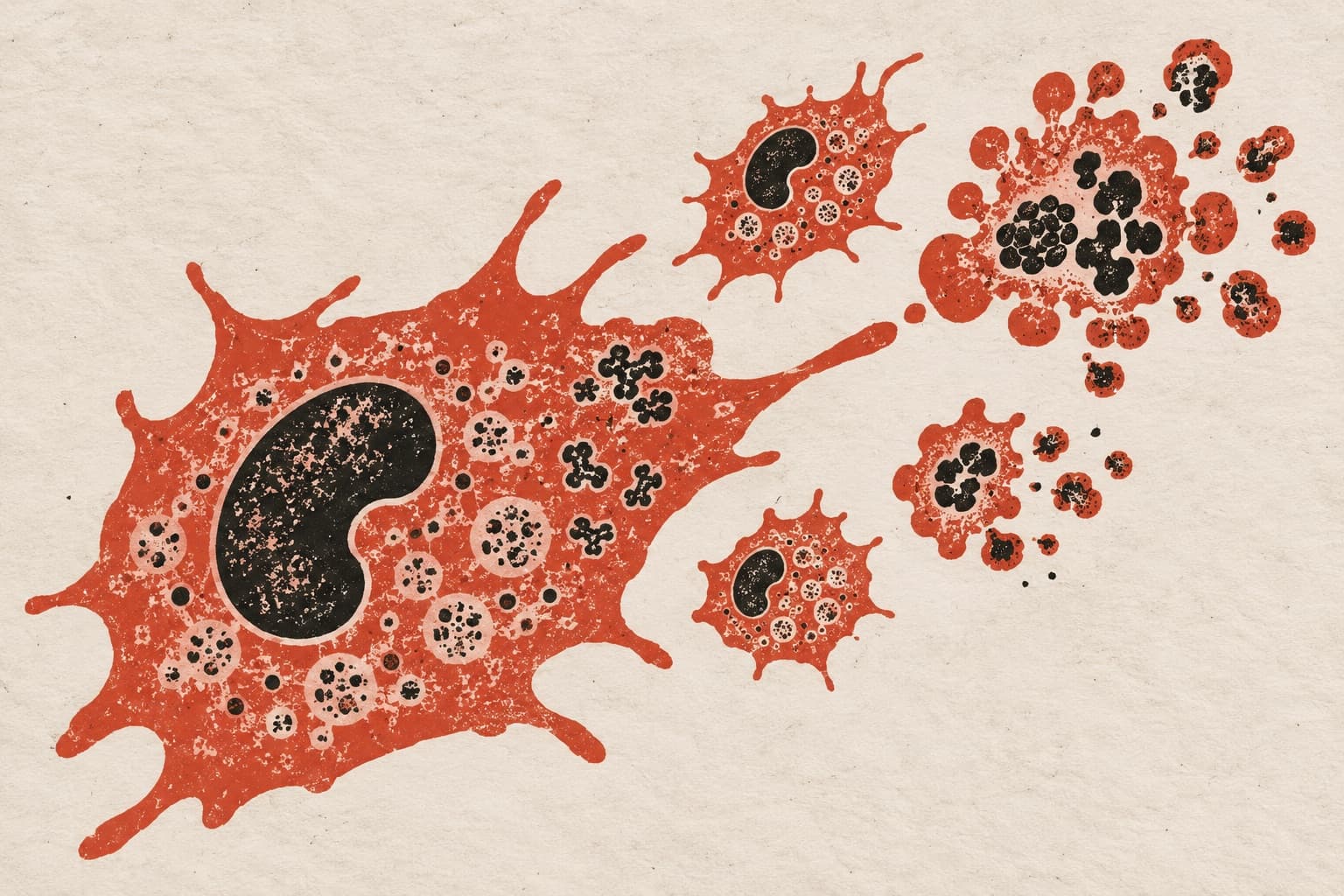
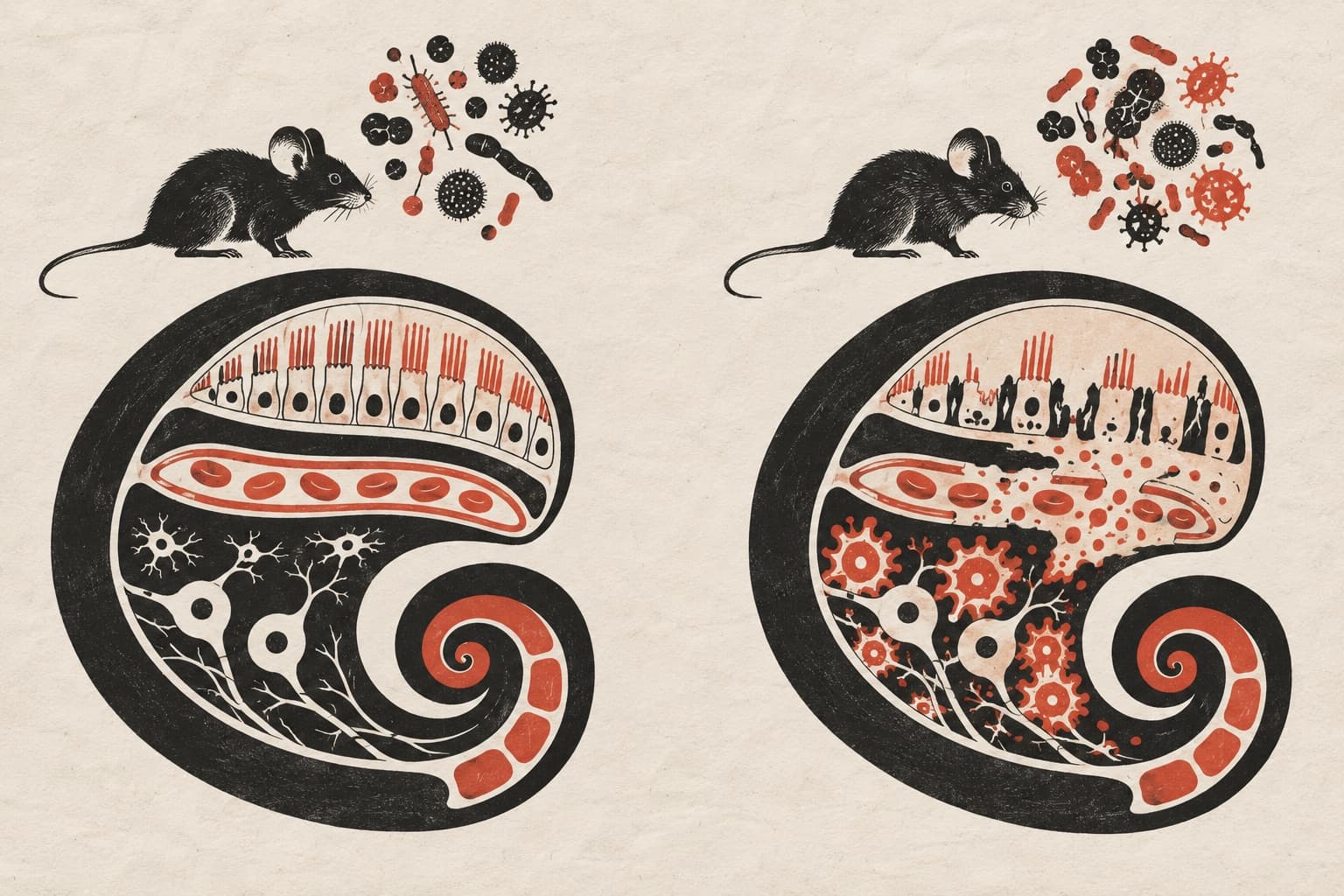
In a preprint study, researchers transferred gut microbiota from patients with age-related hearing loss and healthy elderly controls into two-month-old young C57BL/6 mice. Before the animal tests, the team performed a two-step Mendelian randomization analysis, finding that immune cells mediate the link between gut microbes and age-related hearing loss. Young mice receiving microbes from affected patients developed elevated hearing thresholds across frequencies from 2 to 32 kilohertz. In the cochlea, these mice showed increased capillary permeability at the blood-labyrinth barrier and NLRP3 inflammasome activation in the spiral ligament. The recipient mice also developed neuroinflammation and higher macrophage abundance at spiral ganglion neurons, along with complement system activation, macrophage morphological changes, and outer hair cell degeneration.
Why it matters
The findings indicate that age-related gut dysbiosis can promote inner ear inflammaging and tissue degeneration through systemic immune interactions.
Caveats
The study is a preprint that has not yet been peer-reviewed, and findings observed in young mice may not fully reflect human pathology.
- Fecal microbiota transplantation
- NLRP3 inflammasome
- Complement system
- Inflammation
- Age-related hearing loss
- Mice
The paper
Eye & ENT Hospital of Fudan University
Research Square · 30 Sep 2026 · Preprint, not peer-reviewed