mTOR-Gut Microbiome Interaction in Aging: Fusobacterium nucleatum, Resistance Training and Multi-nutrient Supplementation Effects in Aged Male Rats
8 weeks
Abstract
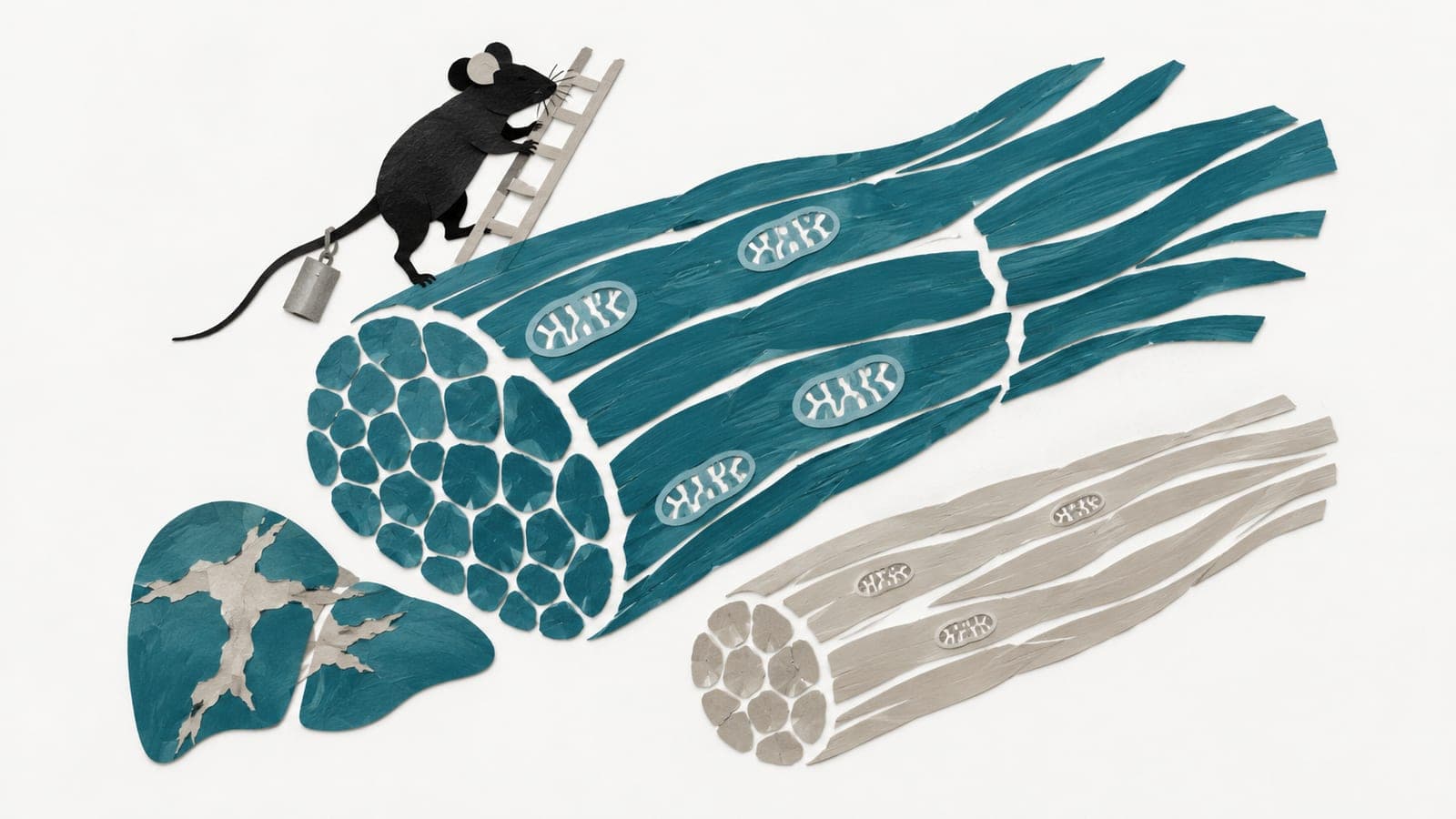
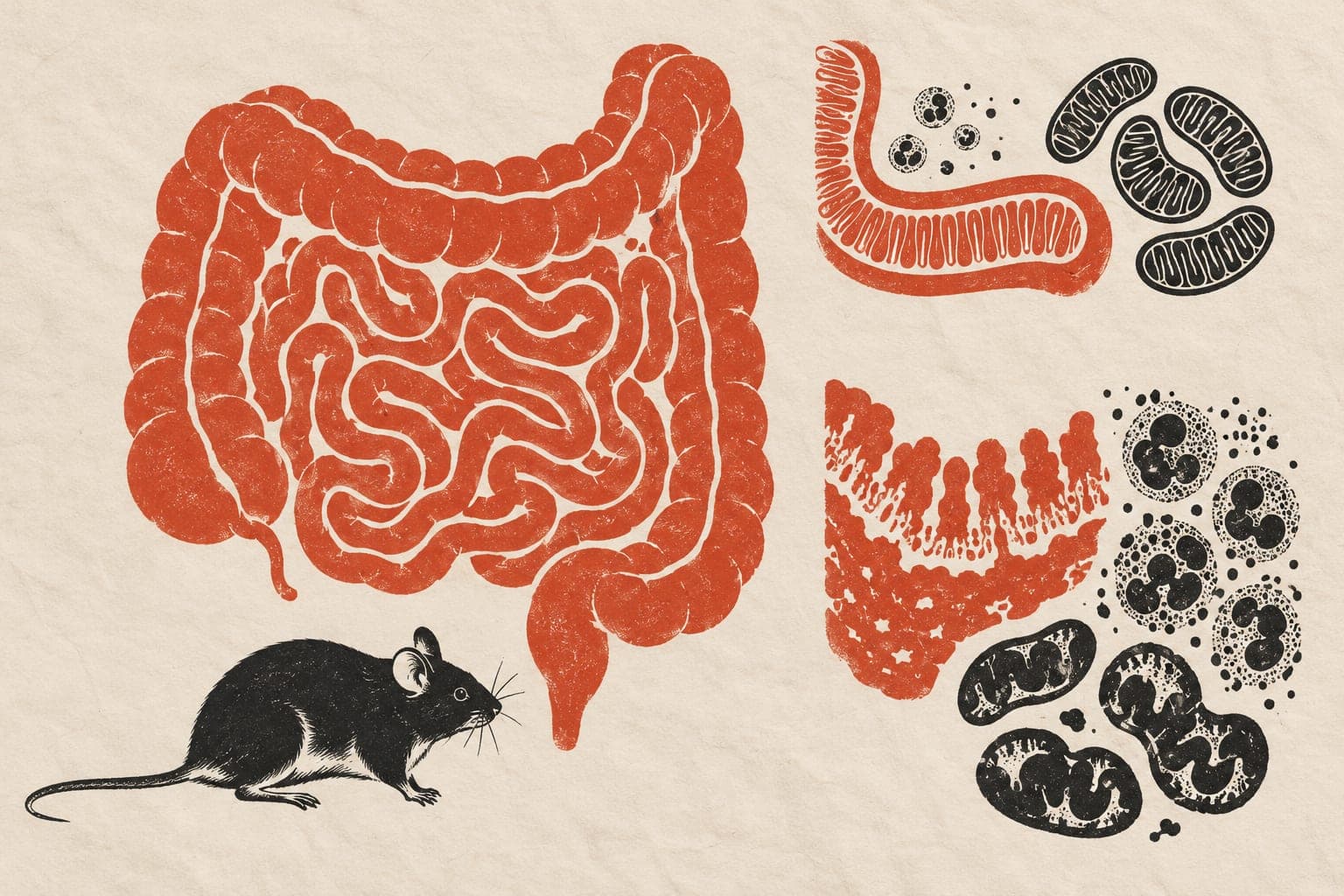
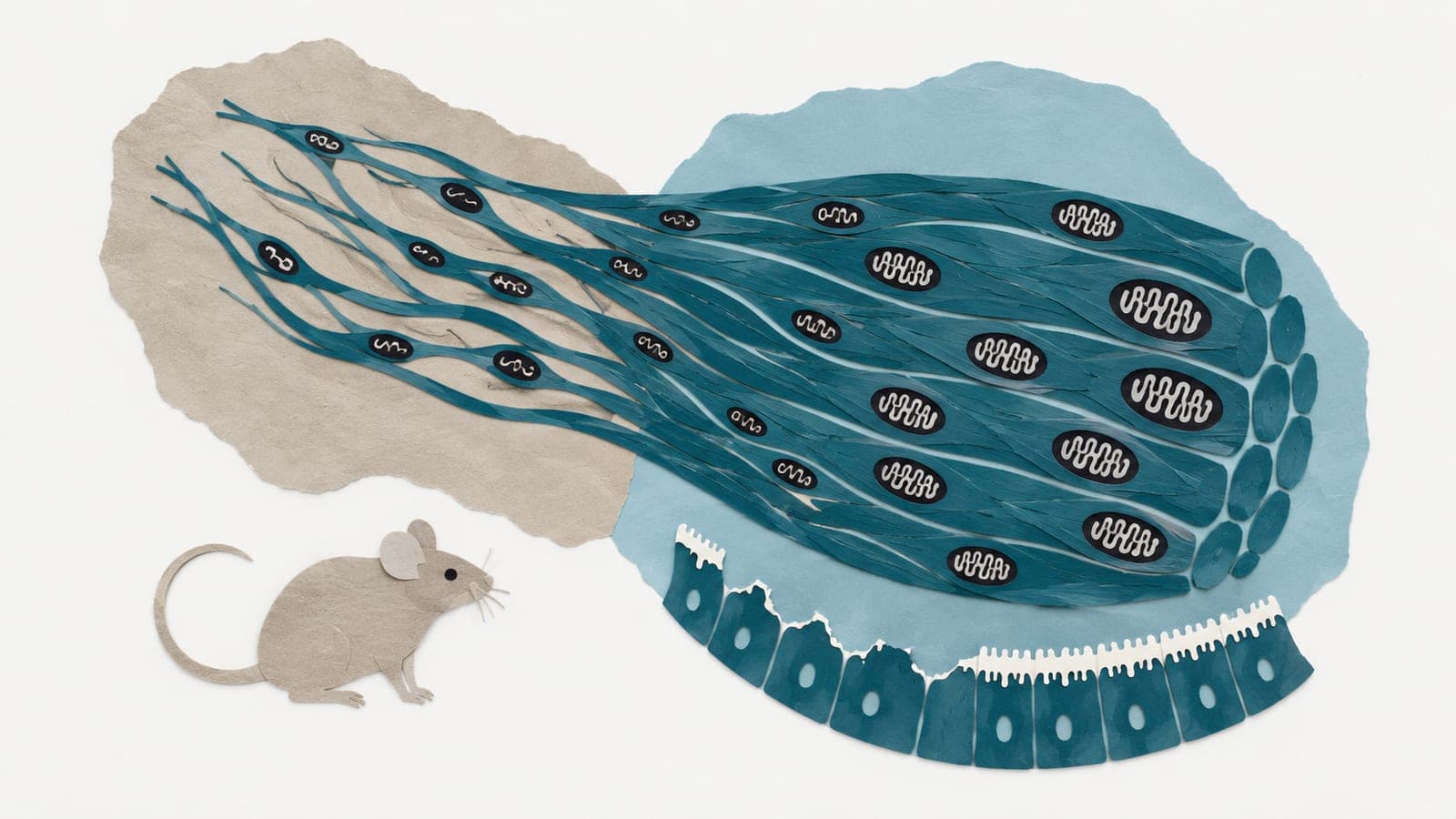
We investigated the mTOR pathway in relation to gut microbiome composition and Fusobacterium nucleatum (Fn) in aged male Wistar rats undergoing resistance exercise and multi-nutrient supplementation. Thirty-five male rats (OC, YC, OS, OR, ORS; n = 7/group) underwent 8-week moderate-intensity resistance training and/or supplementation (Lactobacillus plantarum, Bifidobacterium bifidum, vitamin D, leucine). Muscle samples were analyzed by RT-PCR and Western blot; fecal DNA by 16S rRNA sequencing (p < 0.05). Finding revealed significant increases in the mTOR/IGF-1/S6K1 protein content and gene expression in the ORS group compared to OS and OR groups (mTORC1: ORS vs. OR, p = 0.011; ORS vs. OS, p < 0.001; IGF-1: ORS vs. OR, p = 0.008; ORS vs. OS, p = 0.001), which showed only mild increases. The F/B ratio decreased in all intervention groups, with ORS reaching levels comparable to YC (p = 0.207). Resistance training alone did not significantly affect Fn, but the ORS group had the lowest Fn levels, comparable to YC (p = 0.069) and significantly lower than OR and OS (p = 0.001). The study provides novel evidence that combined resistance training and multi-nutrient supplementation (L. plantarum, B. bifidum, vitamin D, leucine) upregulates mTOR/IGF-1/S6K1 signaling and reduces Fusobacterium nucleatum in aged male rats. The ORS group outperformed either intervention alone; Fn correlates strongly with S6K1 (r = -0.85) and IGF-1 (r = -0.81), supporting the gut-muscle axis as a therapeutic target for sarcopenia.
The paper
University of Guilan; Ferdowsi University of Mashhad
FASEB Journal, 25 Jul 2026