Maternal biological aging from pregnancy through four years postpartum with disrupted recovery by subsequent pregnancy
Abstract
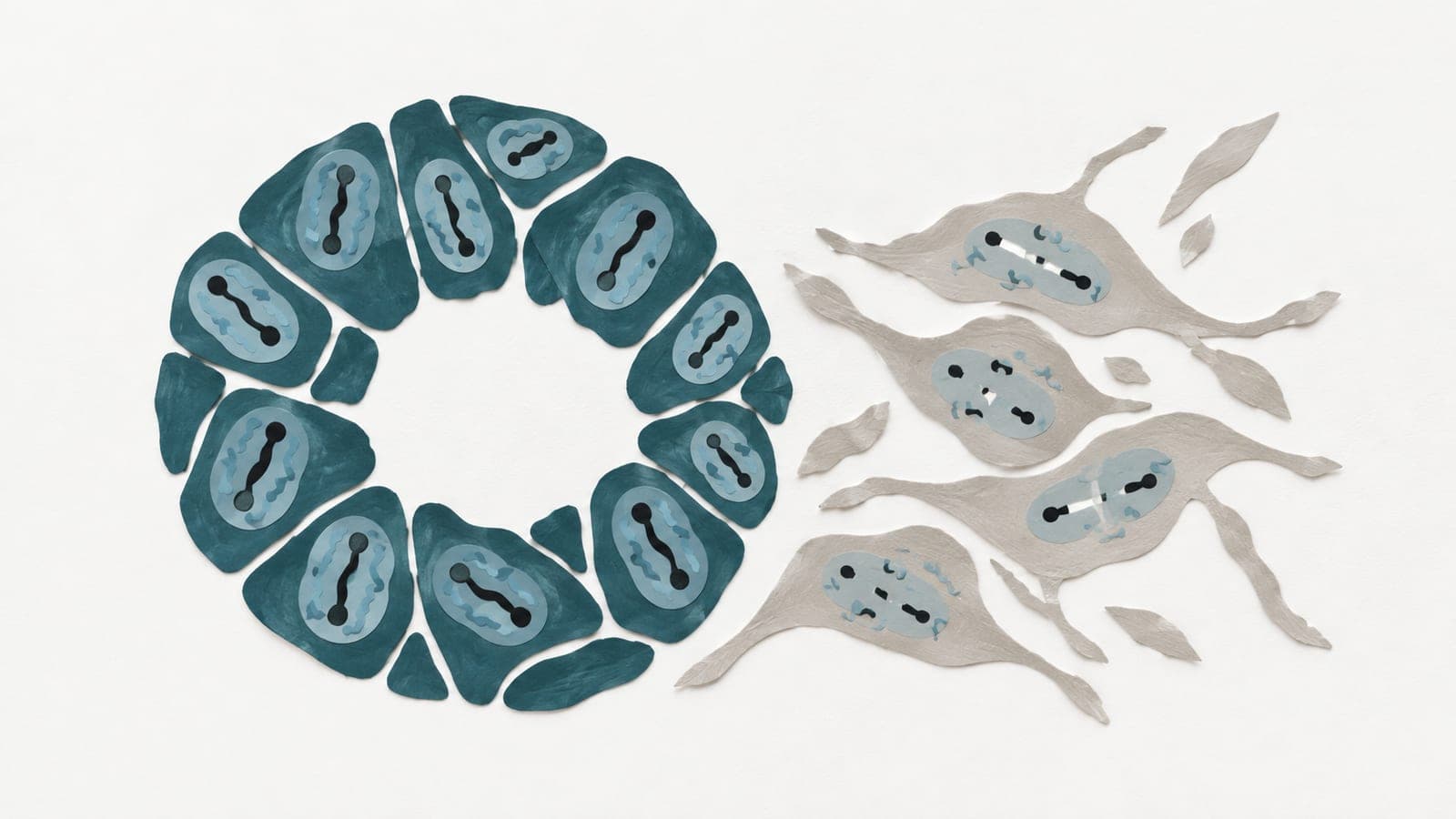
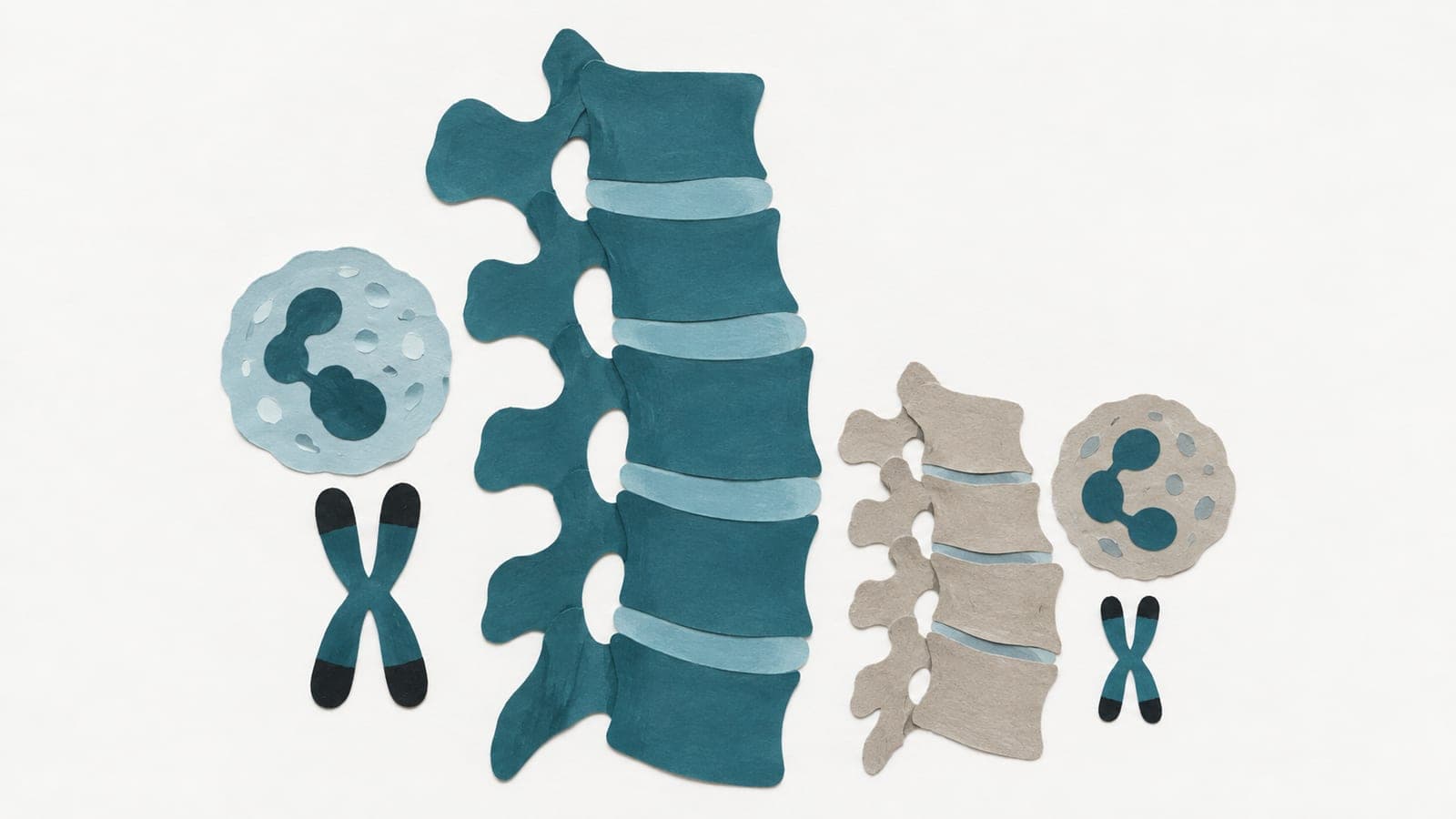
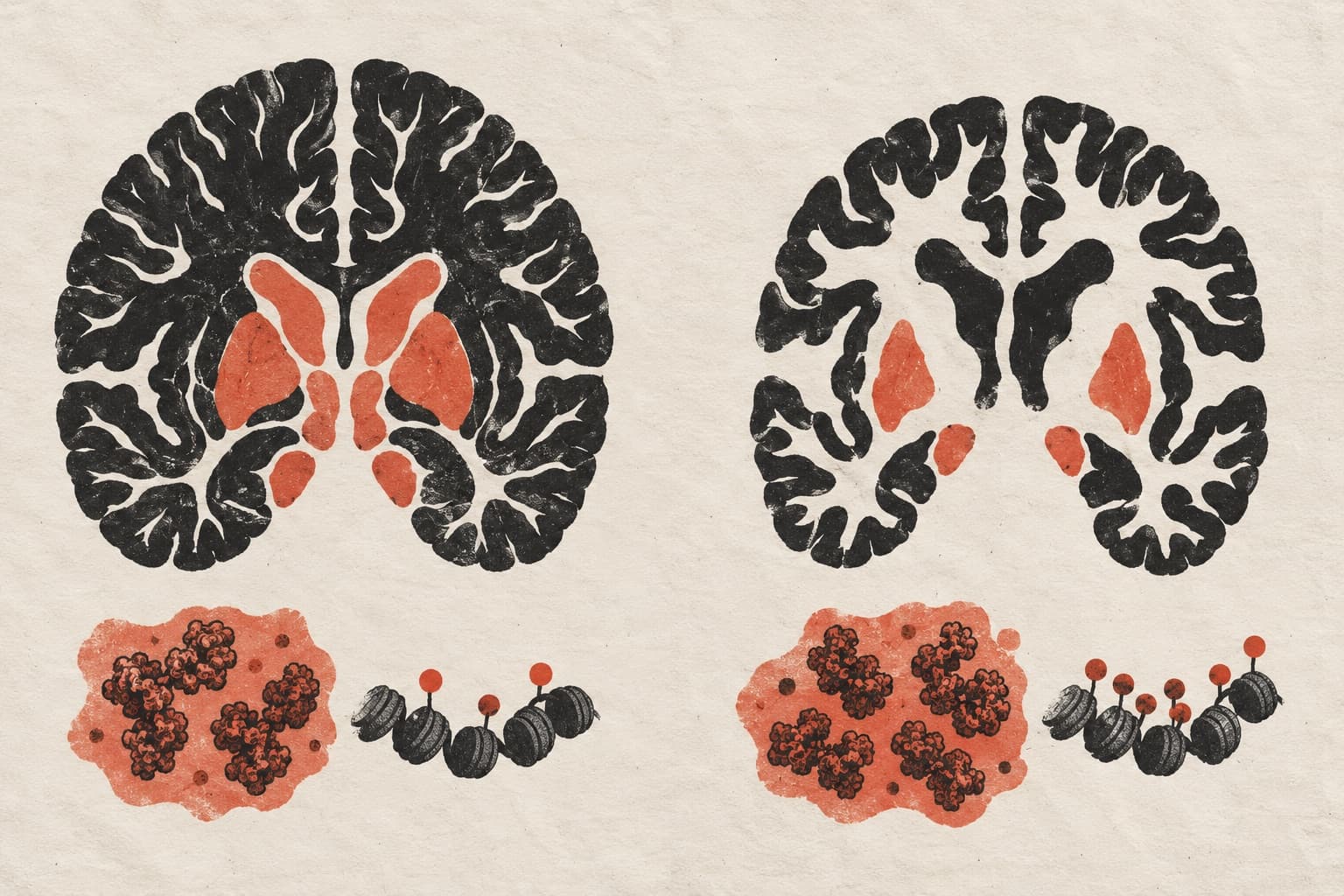
Pregnancy has been proposed as a biological "stress test" that may transiently accelerate maternal biological aging, followed by partial recovery postpartum, yet longitudinal evidence remains limited. This longitudinal study followed 130 women at mid to late pregnancy, 6-9 months postpartum, and 36-43 months postpartum, to characterize nonlinear changes in markers of biological aging, including telomere length, epigenetic aging measures, and pace of aging derived from saliva samples. Using generalized additive mixed models, results indicated relative stability or slowing of biological aging during early postpartum, followed by marker-specific patterns of stabilization or decline in later postpartum. Subsequent pregnancy in later postpartum was associated with shorter telomere length and disrupted recovery trajectories, particularly accelerating the pace of aging among women who became pregnant again. Findings suggest that while postpartum biological aging recovery may occur, such recovery may be vulnerable to interruption by additional pregnancies.
- Pregnancy
- Telomerase and telomere maintenance
- Epigenetic aging measures
- Pace of Aging
- Telomere length
- Humans
The paper
Pennsylvania State University
iScience, 3 Jul 2026, Open access