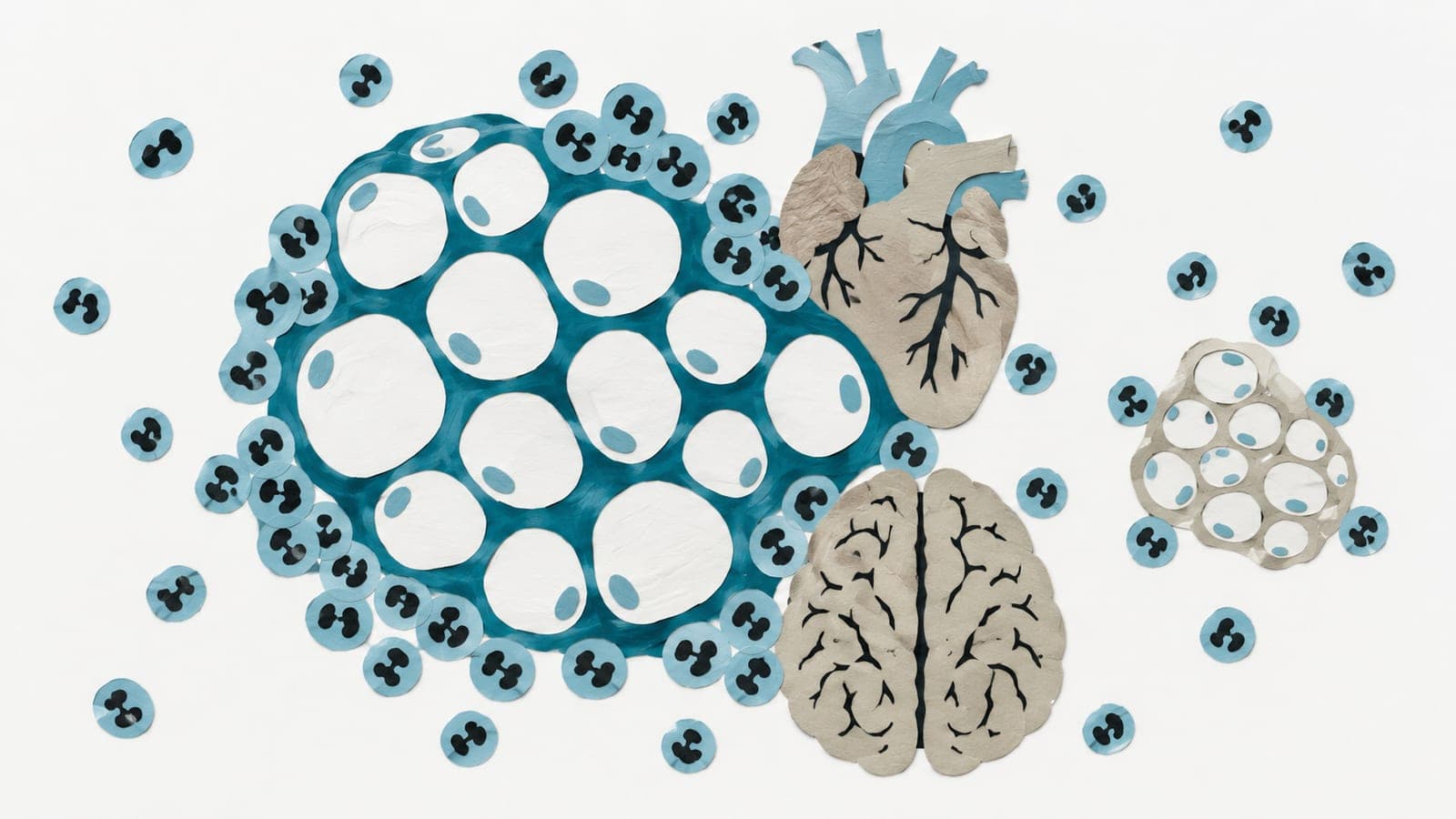
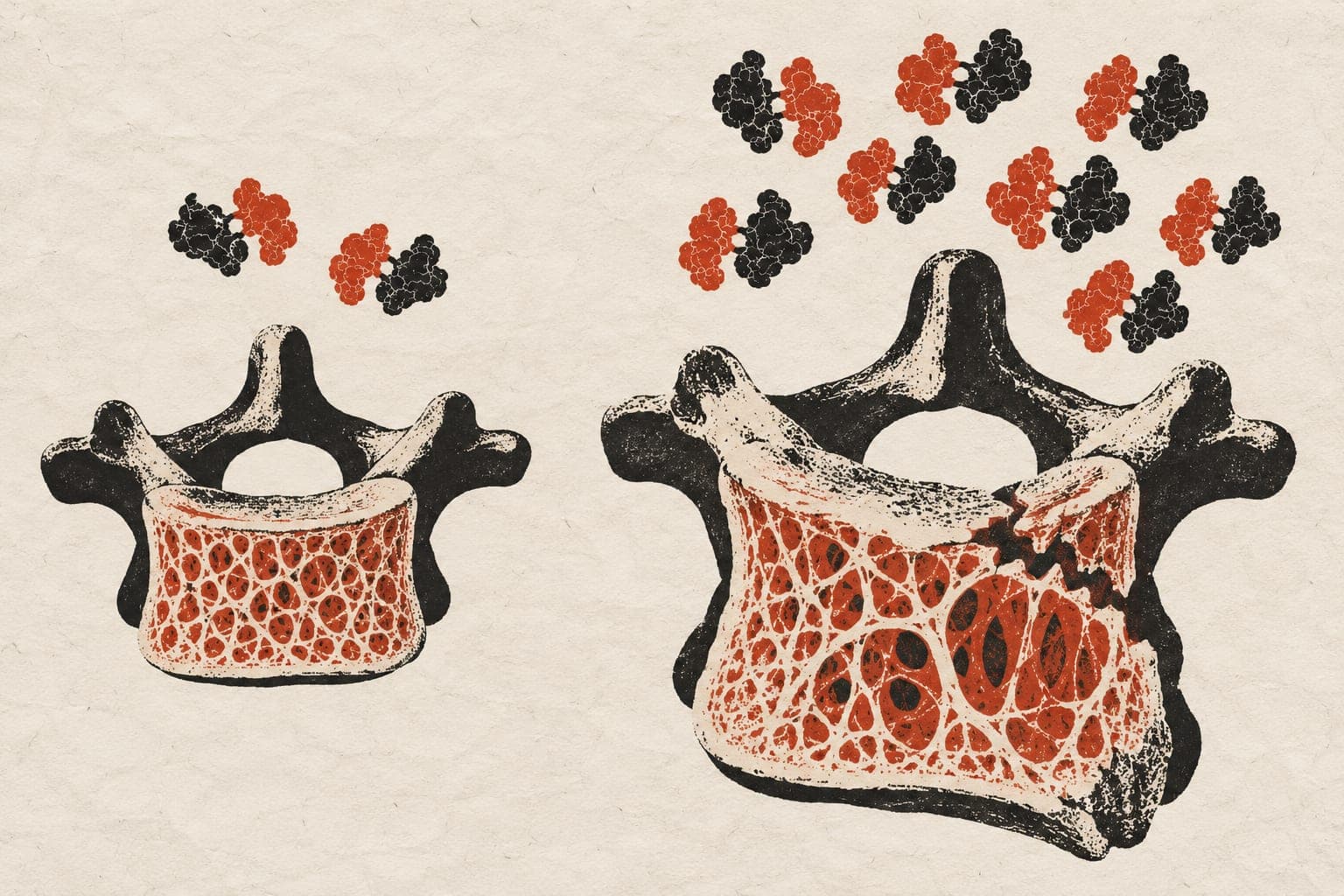
Longer telomeres linked to lower spine disease risk
In 265,805 people, longer telomeres were linked to lower rates of new spine diagnoses; the hazard ratio, comparing rates over time, was 0.953.
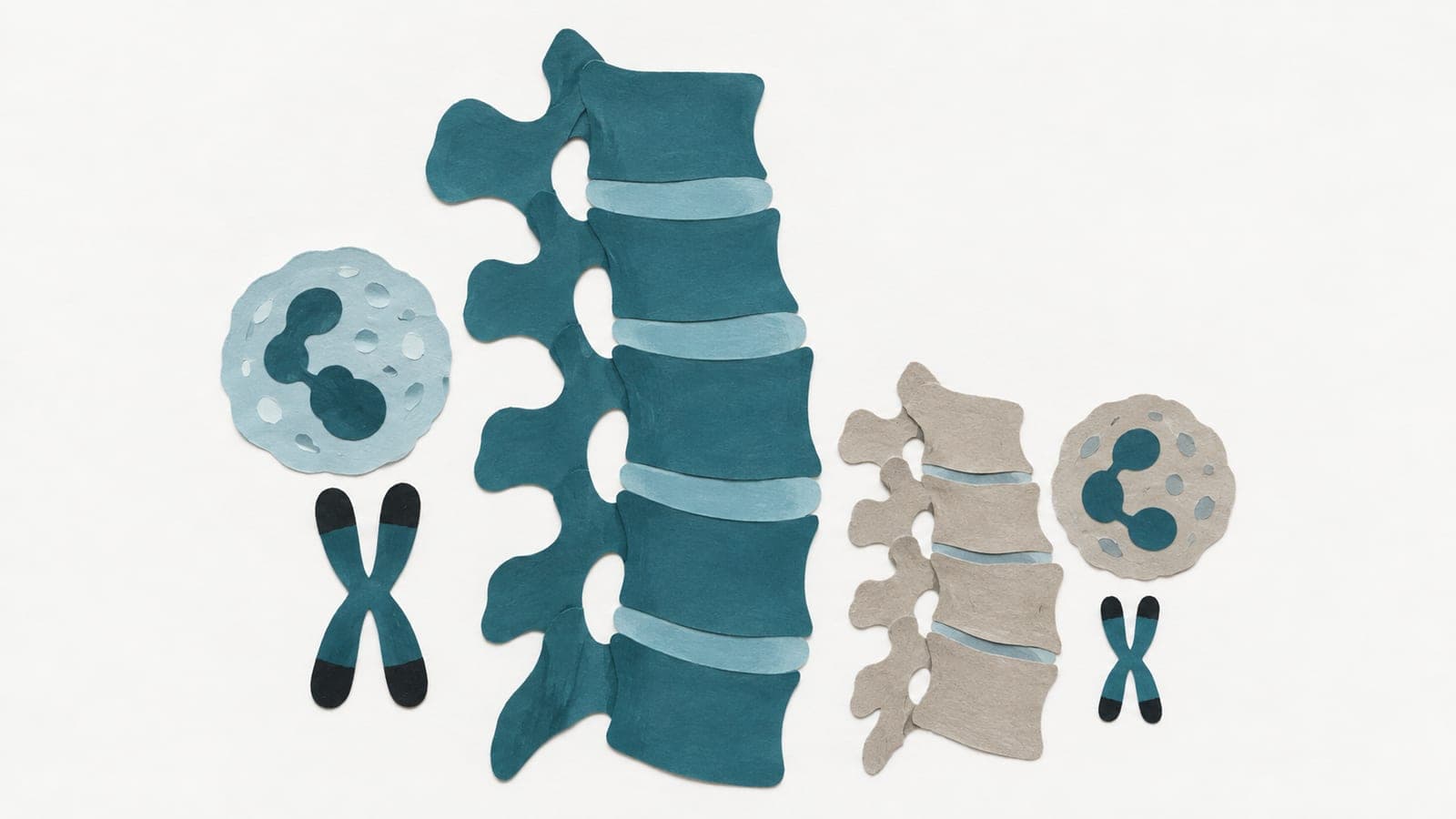
Researchers combined a longitudinal observational study of 265,805 UK Biobank participants of European ancestry with Mendelian randomisation, an analysis using genetic differences to examine links between traits and disease. Participants had no degenerative spine disease at the start. The team analysed telomere length in white blood cells. Telomeres are protective DNA caps at the ends of chromosomes, the cell’s DNA packages.
Longer telomeres were associated with lower rates of new degenerative spine diagnoses and surgery to relieve pressure in the lower spine. However, the genetic analysis found no evidence linking telomere length to any of five degenerative spine conditions. Genetic measures of body mass index, weight relative to height, and inflammation were associated with several spine conditions. The authors suggested that telomere length reflected cumulative biological aging rather than drove spine disease.
Why it matters
The work addressed whether a marker of biological aging contributes to spine deterioration or instead reflects accumulated metabolic and inflammatory burden.
Caveats
The observational associations cannot establish cause and effect, and the abstract did not specify the telomere-length difference represented by the hazard ratio. The cohort included only people of European ancestry.
The paper
Icahn School of Medicine Mount Sinai
World Neurosurgery, 12 Oct 2026