Effects of time-restricted feeding on health outcomes: lessons from model organisms
Abstract
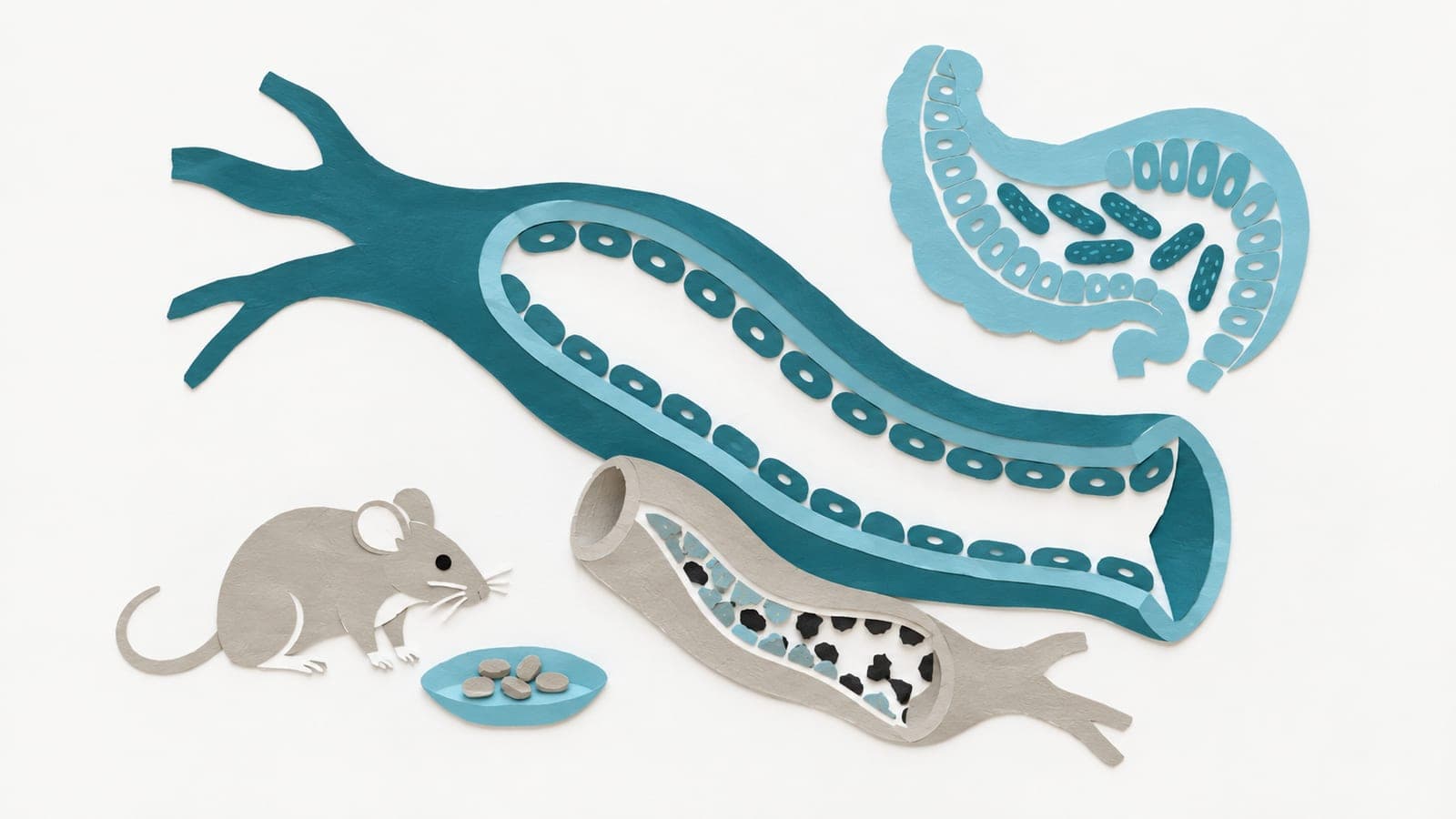
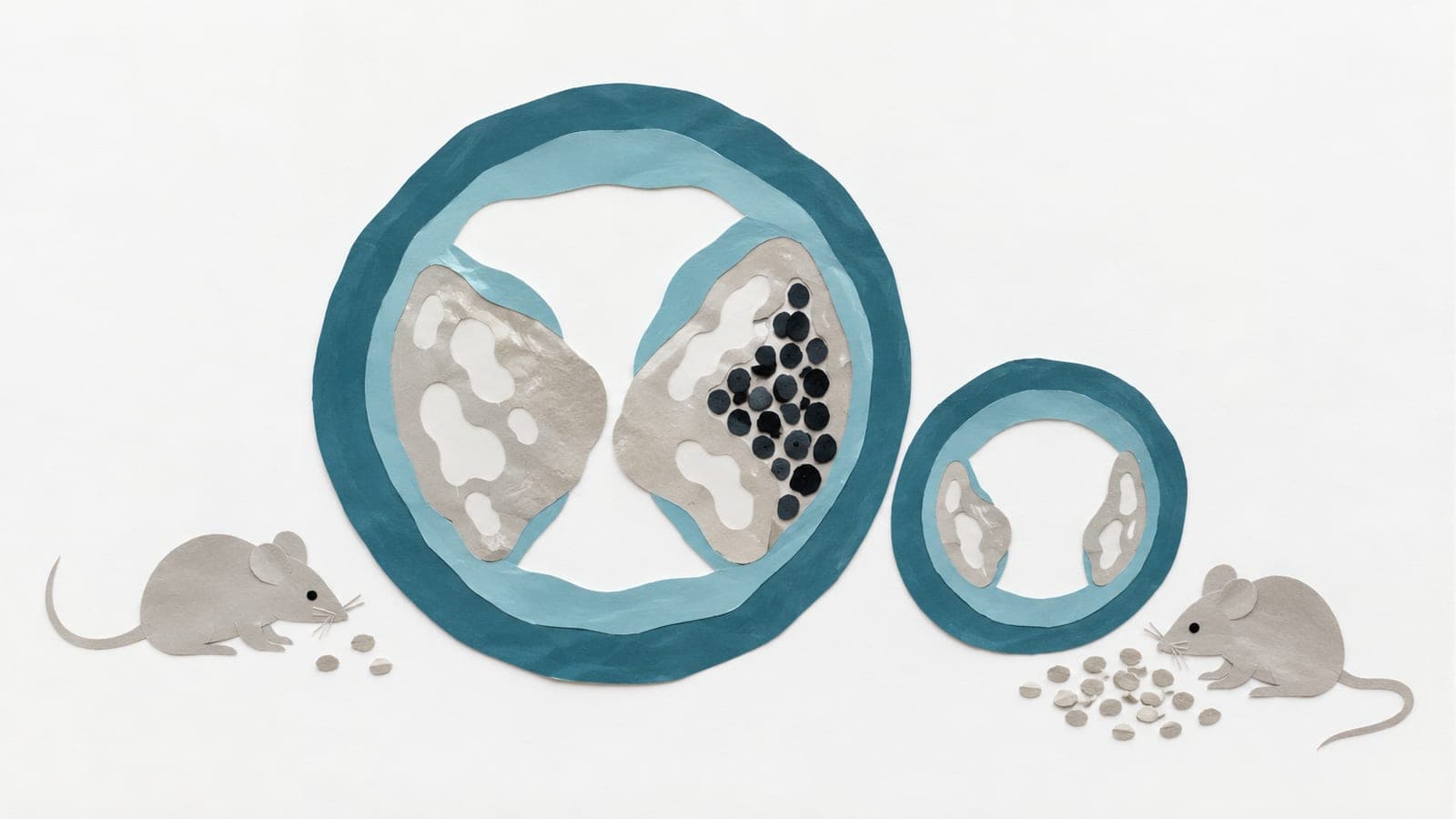
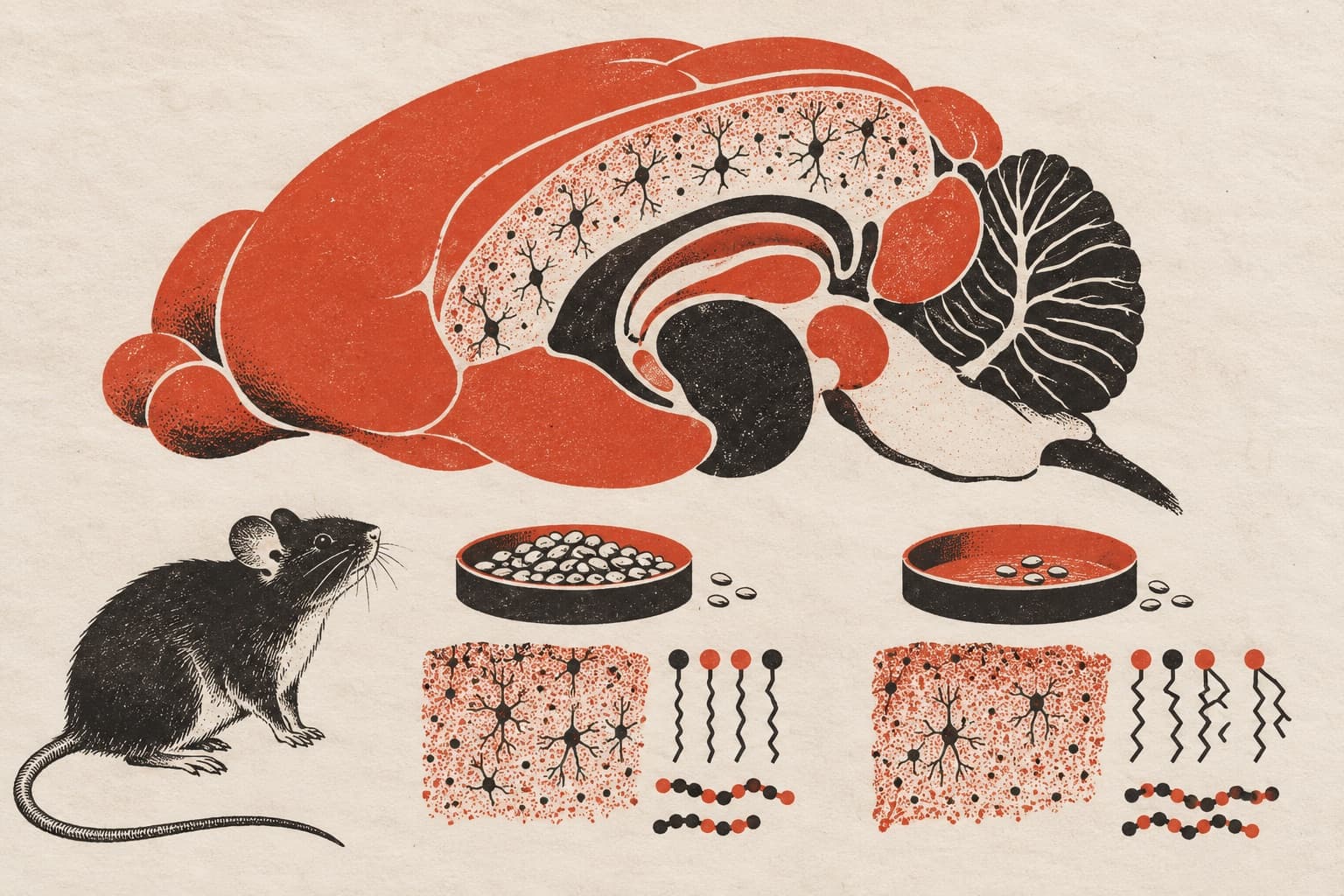
The quality and quantity of nutrition are well-established factors influencing health. However, research on circadian rhythms has revealed that the timing of nutrition is also crucial, as highlighted by the concept of time-restricted feeding (TRF). In laboratory animals, TRF involves limiting daily energy intake to a consistent window of 8-12 h. This approach has been shown to mitigate, and in some cases reverse, the negative metabolic impacts of an obesogenic diet. Specifically, under such diets, TRF has been found to reduce body weight and adiposity; enhance liver, heart and gut health; improve glucose tolerance and blood pressure; decrease the severity of neurodegenerative diseases; and preserve muscle mass and function. When animals are fed a balanced diet, TRF does not lead to significant weight loss but modestly extends lifespan. Moreover, when combined with calorie restriction, TRF can significantly increase median lifespan. Thus, TRF can work synergistically with optimal nutrition quality and quantity to enhance health. The underlying mechanisms of TRF are being uncovered through studies in mice and fruit flies. These studies systematically examine mRNA, proteins and metabolites during the fed and fasted states of TRF, shedding light on the genes and pathways modulated by TRF in major metabolic organs, including the liver, heart, muscle, adipose tissue and gut. The aim of this review is to present the experiments that established TRF as a time-based nutritional intervention for health improvement and to summarise key molecular, physiological and metabolic findings from animal studies.
The paper
Salk Institute for Biological Studies
The Proceedings of the Nutrition Society, 21 Jul 2026, Open access