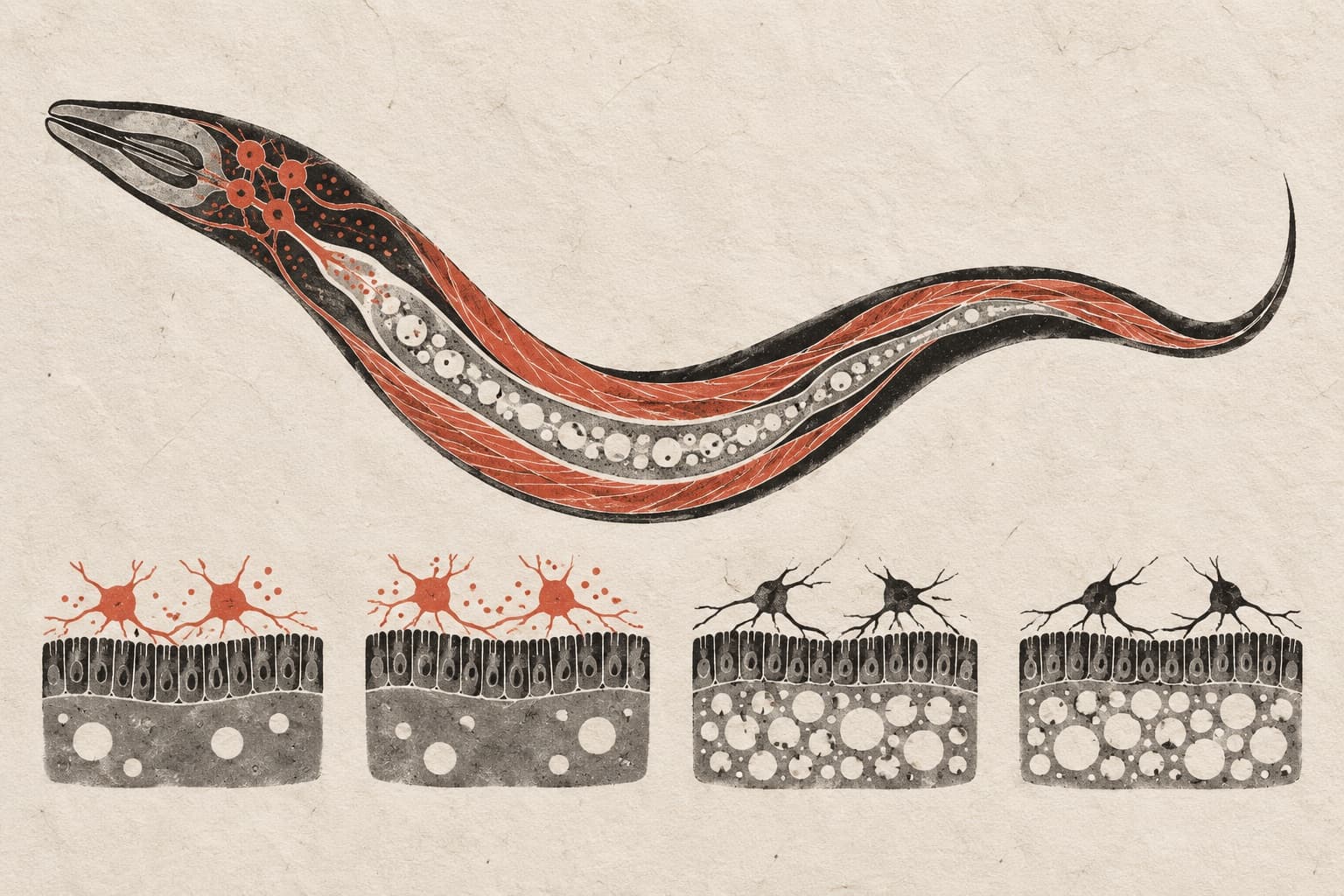
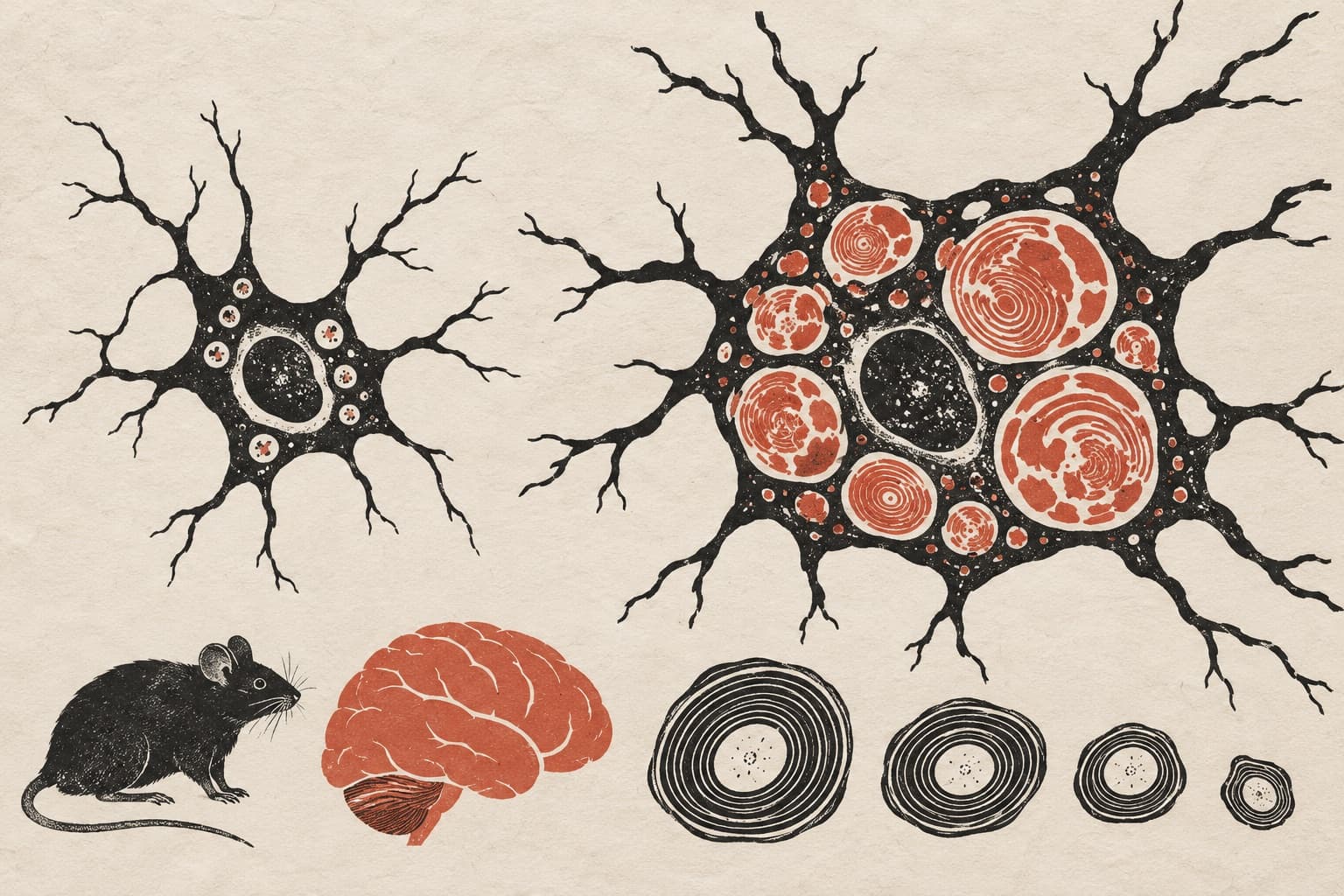
Caloric restriction dynamically alters RNA splicing and lipid composition in mouse brains
Researchers found that dietary restriction reshapes alternative splicing in an age-specific manner while driving coordinated changes in cortical brain lipids.
bioRxiv
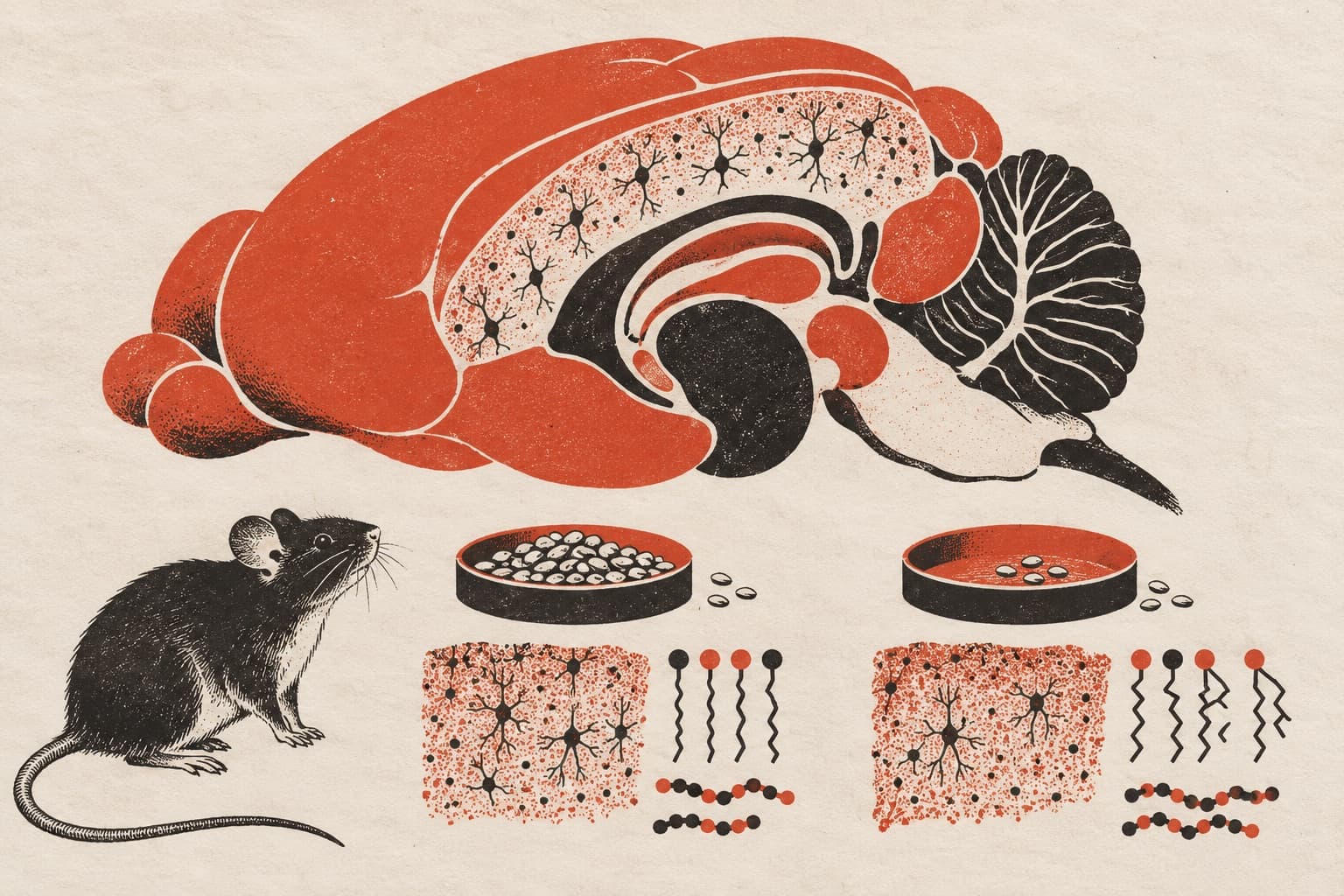
In a new preprint, researchers analyzed brain tissue from mice subjected to caloric restriction across adulthood to examine gene expression, RNA processing, and lipid profiles. While caloric restriction produced stable gene expression changes across age groups in metabolic and neurotransmission pathways, alternative splicing patterns were dynamic and largely unique to each age. In addition, caloric restriction coordinated changes in cortical lipid abundance across ages, notably increasing levels of lipids with higher degrees of unsaturation. Integrative analysis further revealed associations between specific lipid classes, transcripts, and alternative splicing categories. Together, these findings indicate that caloric restriction modifies alternative RNA processing in a context-specific manner alongside shifts in cortical lipid homeostasis in the aging mouse brain.
Why it matters
The study identifies dynamic RNA processing and lipid remodeling as linked mechanisms underlying metabolic changes in the brain under caloric restriction.
Caveats
The findings are based entirely on mouse models and appear in a preprint that has not yet been peer-reviewed.
- Caloric restriction
- RNA splicing
- Lipid and ceramide metabolism
- Synaptic transmission
- Lipids with higher degrees of unsaturation
- Mice
The paper
University of Wisconsin–Madison
bioRxiv · 22 Sep 2026 · Preprint, not peer-reviewed