The mitochondrial logic of inflammaging: how energy imbalance drives fibroblast SASP and tissue-specific aging
Abstract
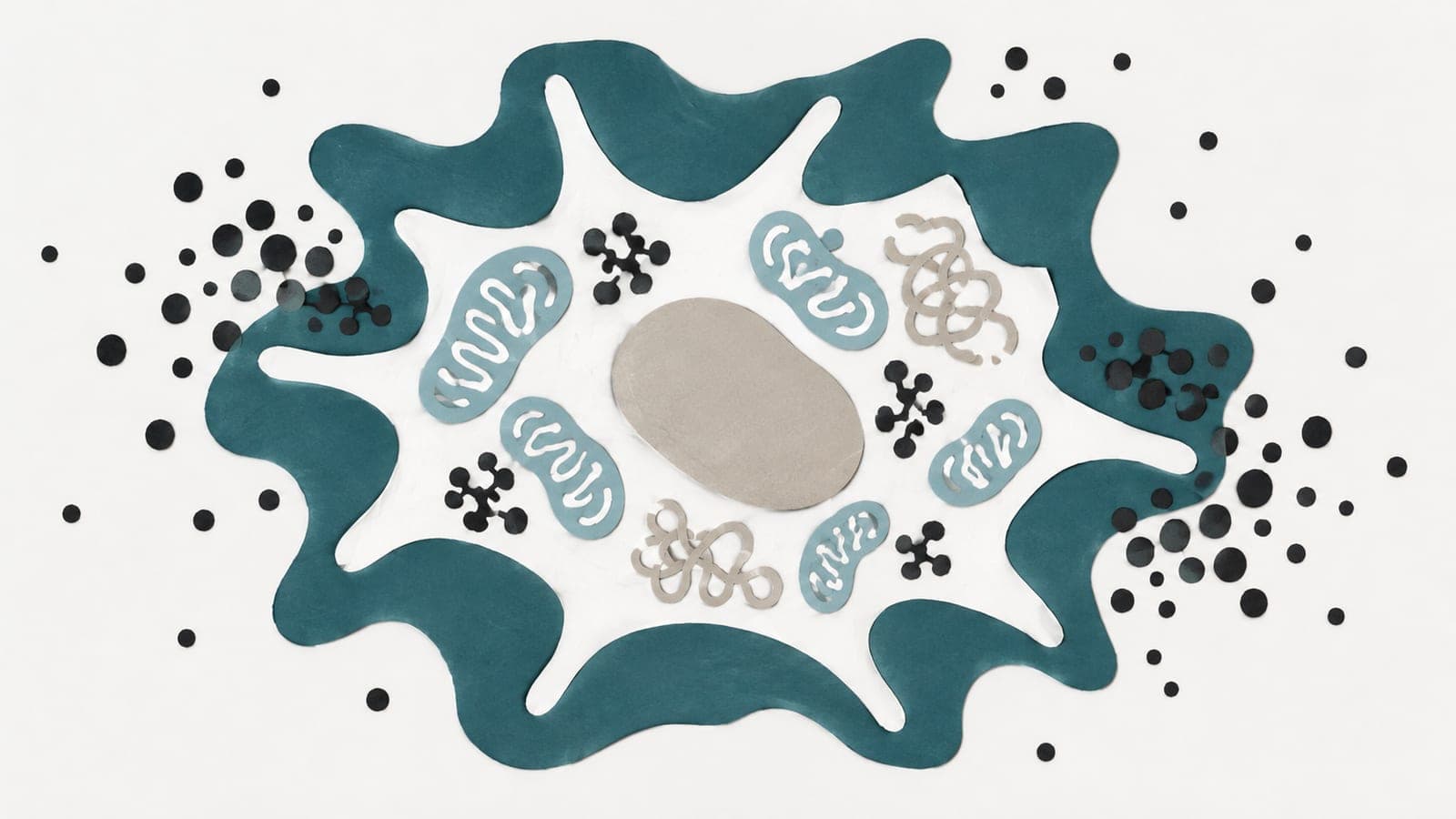
The conversion of metabolic disequilibrium into chronic inflammatory signaling represents a central and actively investigated question in ageing biology. Among stromal cells, fibroblasts are key effectors of tissue remodeling and inflammation, acquiring a senescence-associated secretory phenotype (SASP) that sustains age-related pathology. Here, we delineate a mechanistic framework in which disruption of energy homeostasis drives mitochondrial dysfunction, innate immune activation, and SASP secretion. Mitochondria act as metabolic sentinels that sense energetic stress through altered AMP/ATP and NAD⁺/NADH ratios, leading to the generation of mitochondrial danger signals-reactive oxygen species (mtROS) and mitochondrial DNA (mtDNA). These signals converge on canonical immune pathways, including the cGAS-STING axis, NLRP3 inflammasome, and NF-κB signaling, thereby converting metabolic distress into persistent pro-inflammatory output. Using periodontal ligament fibroblasts as a disease-relevant model, we highlight how microbial biofilm exposure induces mitochondrial metabolic reprogramming that amplifies fibroblast SASP, promotes osteoclastogenesis, extracellular-matrix degradation, and alveolar bone resorption. At the transcriptional level, regulatory networks involving NF-κB, C/EBPβ, STATs, and the mTOR-AMPK hub integrate mitochondrial signals to sustain inflammatory senescence. We propose that restoring mitochondrial metabolic homeostasis serves as a highly promising strategy to break the self-perpetuating cycle in which energy imbalance triggers SASP activation, which in turn contributes to chronic inflammation. Researchers must first characterize the tissue-specific mitochondrial signatures of SASP. Subsequently, developing precise, lesion-targeted metabolic interventions will open new avenues for mitigating inflammaging and rejuvenating stromal function across ageing tissues.
- Microbial biofilm exposure
- AMPK signalling
- Cellular homeostasis
- Cellular senescence
- cGAS–STING signalling
- Extracellular matrix remodelling
The paper
Jilin University
Frontiers in Immunology, 1 Jul 2026, Open access