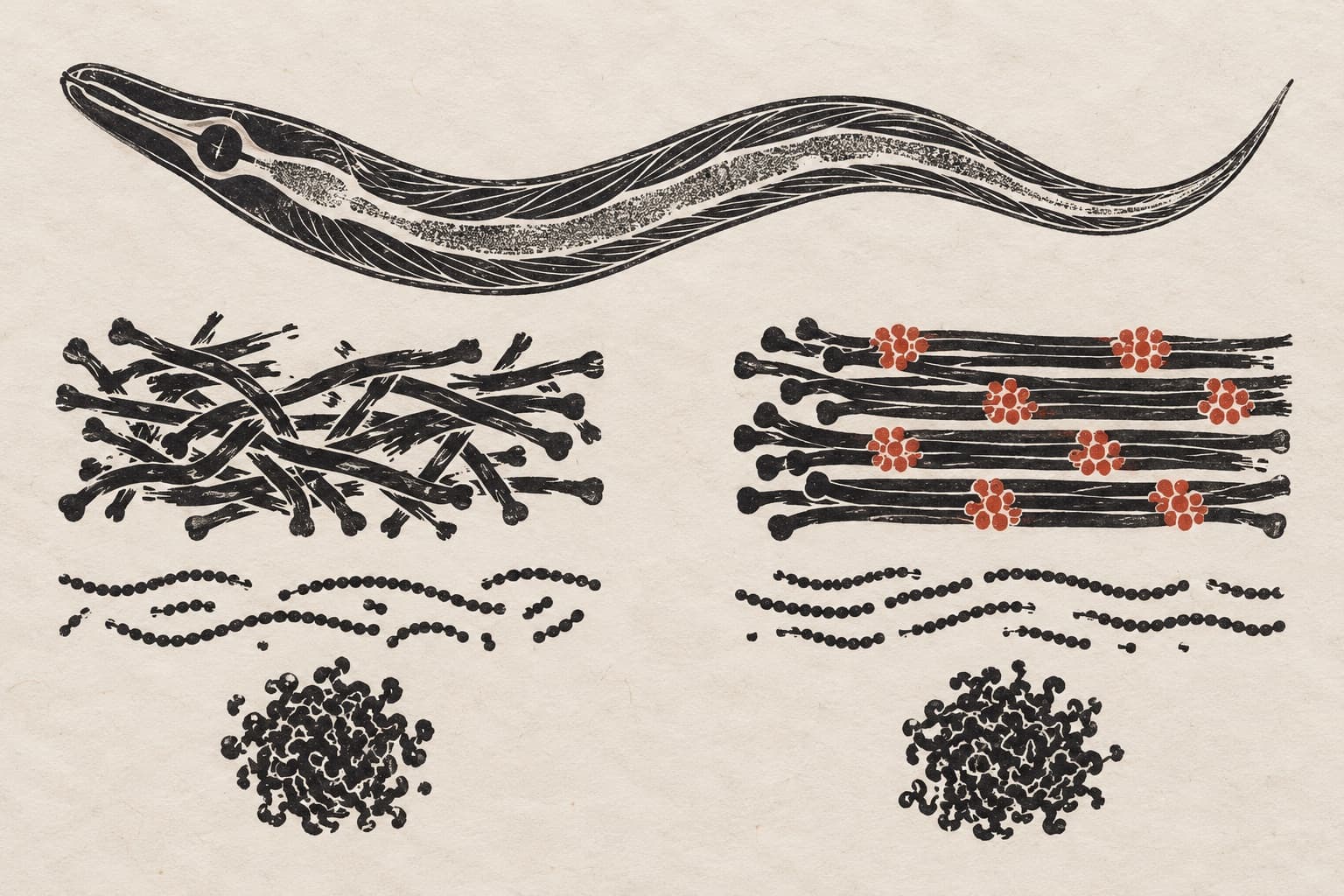
HSF1 in aging: The output selection model
Abstract
Heat shock transcription factor HSF1 maintains proteome integrity via the induction of heat shock proteins. Here, we provide a comprehensive overview on the structure, function and regulation of HSF1 in multiple organisms. We summarize the aging-associated changes of HSF1 function, the reduced inducibility of the heat shock response, leading to a model of age-related stochastic HSF1 activity decline. Besides, we review basal, non-canonic HSF1 functions through regulating distinct transcriptional outputs which support development, reproduction, tissue proteostasis maintenance, growth- and cancer-related anabolic processes. Based on major observations in the nematode C. elegans demonstrating differential regulation of these outputs, we propose a novel mechanistic framework that draws on the life history-coupled programmed remodeling of its transcriptional function at the onset of reproduction. The HSF1 output selection model accounts for the coexistence of diminished stress inducibility with sustained or increased basal HSF1 activity and explains why broad HSF1 activation may benefit proteotoxic diseases but pose risks in cancer-prone conditions. Experimental approaches leveraging age- and tissue-specific transcriptomic, chromatin, and post-translational analyses are outlined, emphasizing selective restoration of protective HSF1 outputs over indiscriminate activation.
The paper
Semmelweis University
Mechanisms of Ageing and Development, 8 Jul 2026, Open access