Nematode heat-shock protein HSP-12.6 selectively protects muscle thick filaments in vivo
The chaperone regulates lifespan in Caenorhabditis elegans and specifically shields myosin-containing structures without interacting with thin filaments or polyQ aggregates.
Philosophical Transactions of the Royal Society of London, Series B
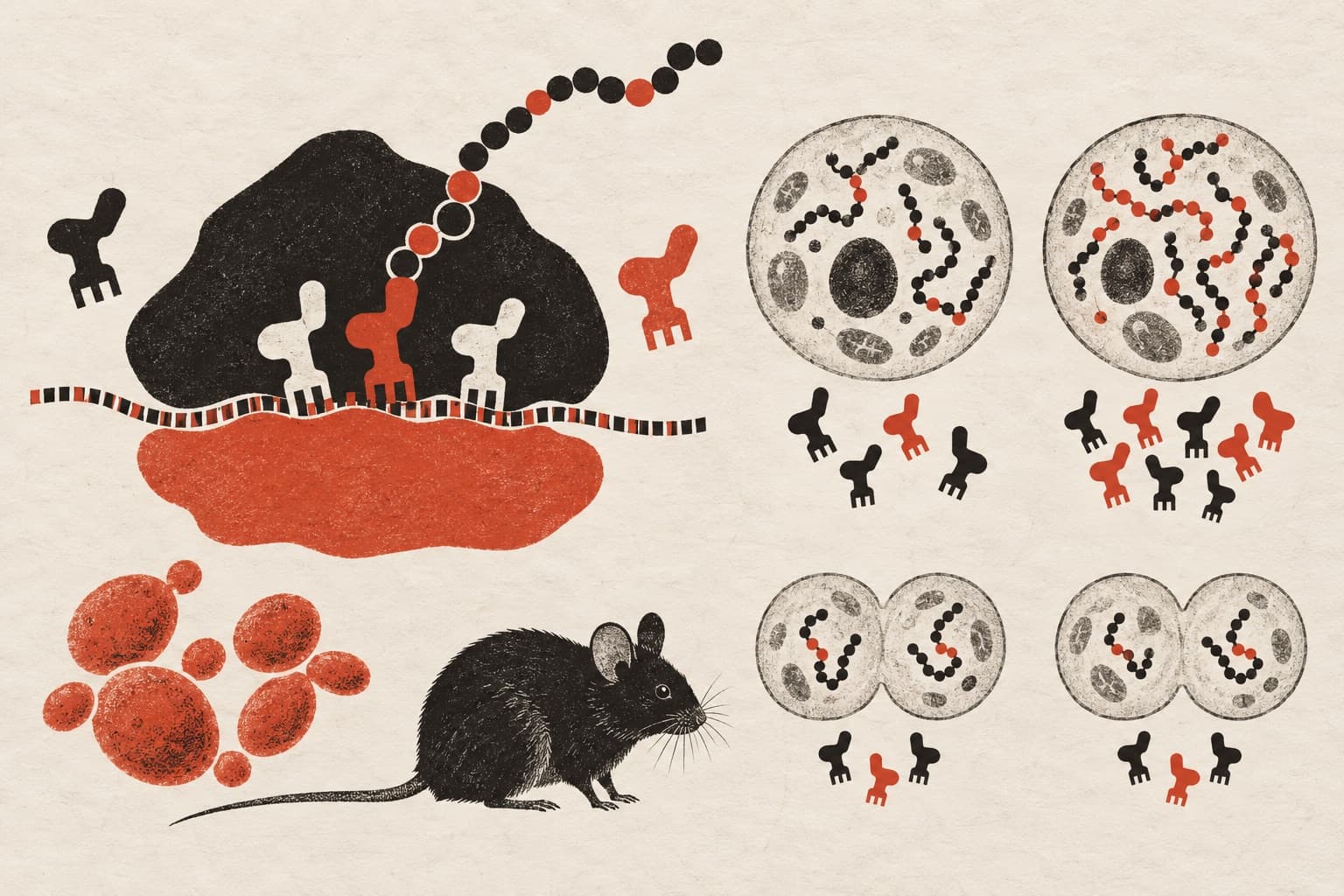
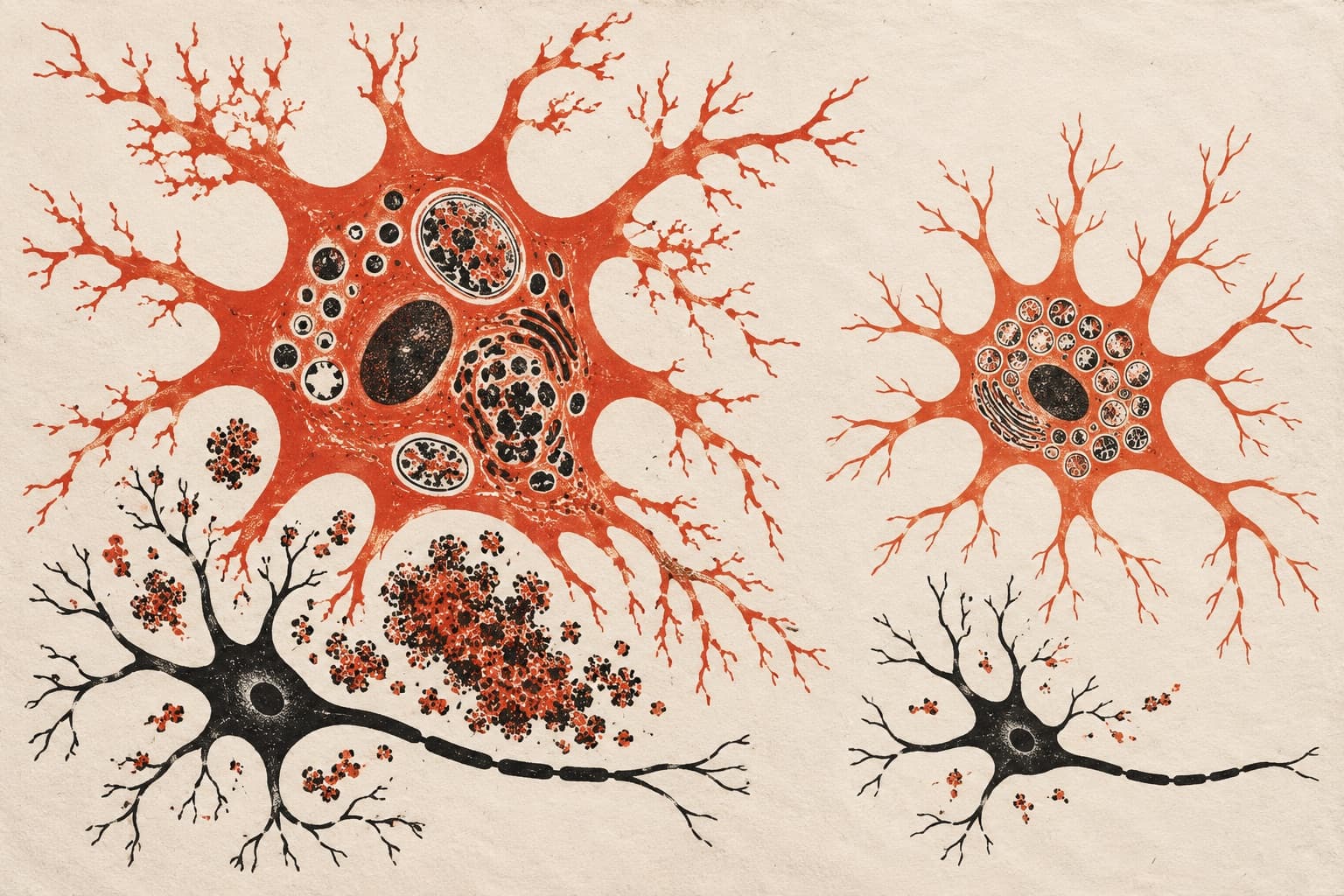
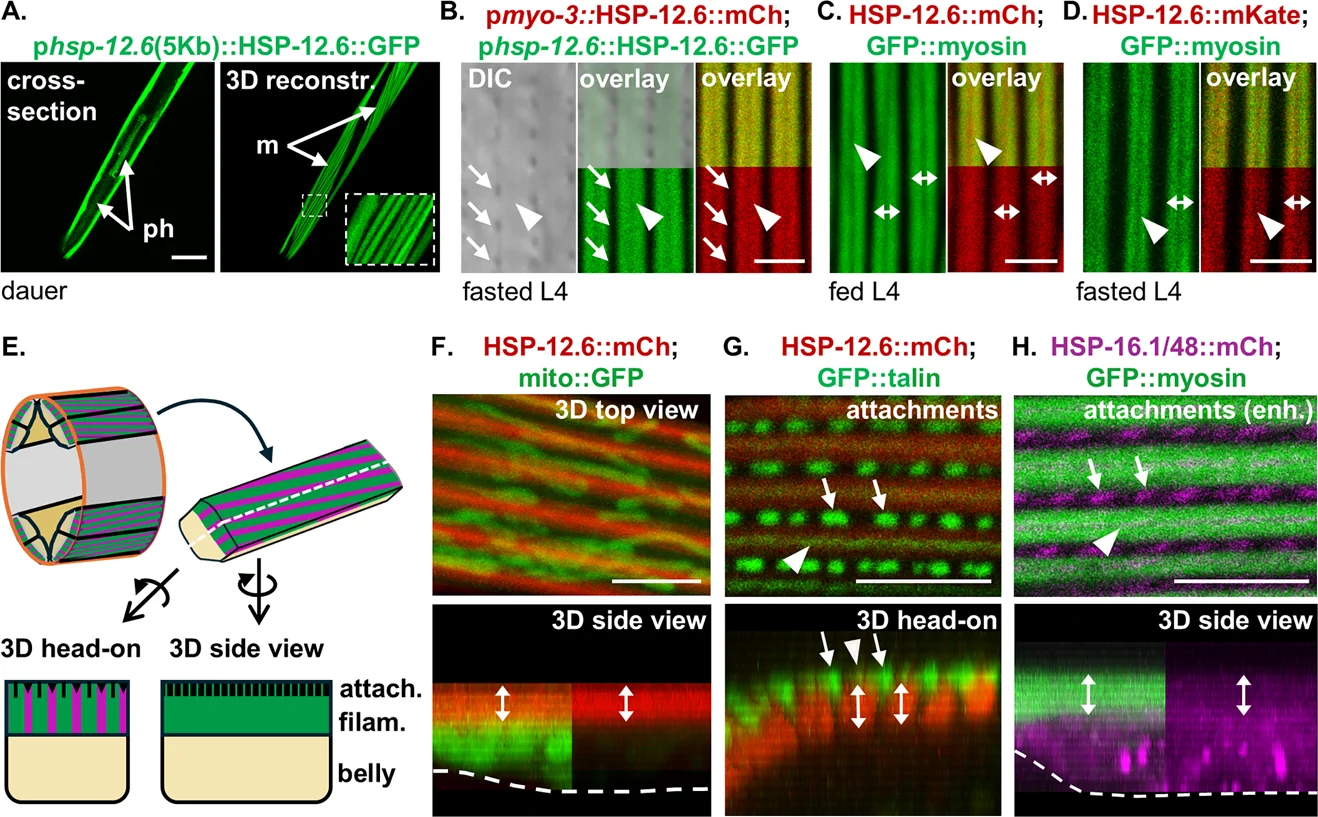
In the nematode Caenorhabditis elegans, the small heat-shock protein HSP-12.6 regulates lifespan and is induced in the muscles of long-lived dauer animals. Although canonical small heat-shock proteins target a broad range of substrates, HSP-12.6 lacks chaperone activity in vitro. Researchers examined the function of HSP-12.6 in vivo to understand its physiological role. They found that HSP-12.6 specifically preserved muscle function against folding and assembly mutations in thick filament proteins. It showed no protective effect against mutations in thin filament or non-filament proteins. This selectivity corresponded to the chaperone binding exclusively to healthy myosin-containing thick filaments or their aggregates. HSP-12.6 avoided other muscle structures and maintained this strict specificity even when animals were challenged with a toxic, aggregation-prone polyQ protein.
Why it matters
Because HSP-12.6 regulates lifespan and is induced in long-lived dauer states, uncovering its narrow target clarifies how specialized proteostasis mechanisms preserve muscle integrity.
Caveats
The findings are limited to the invertebrate model Caenorhabditis elegans, and the protein's selective activity was evaluated against specific filament mutations and polyQ challenge.
The paper
Drexel University
Philosophical Transactions of the Royal Society of London, Series B · 1 Oct 2026