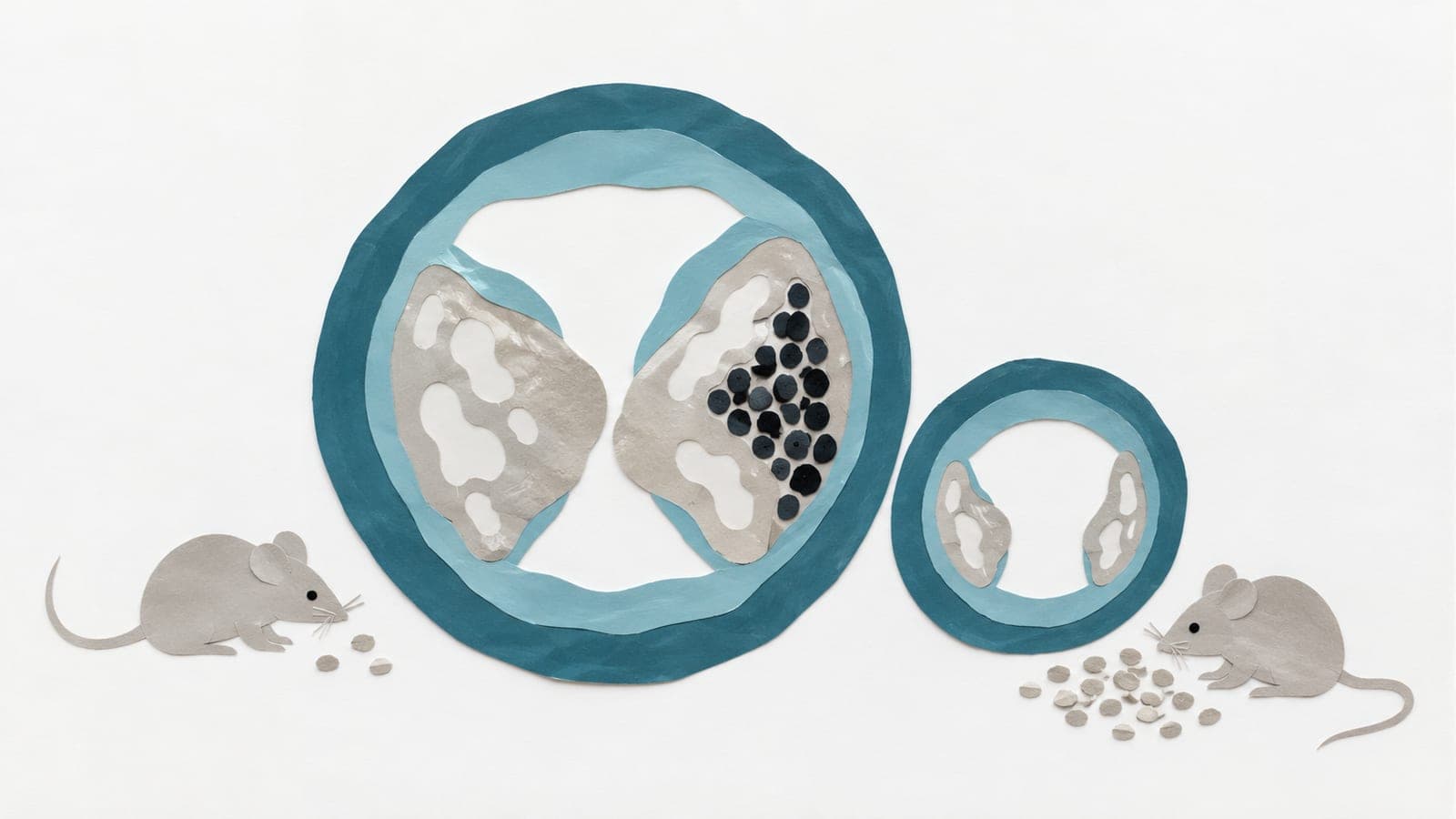
Dietary context determines the metabolic toxicity of organochlorine pesticides: Protective effects of intermittent calorie restriction
12 weeks
Abstract
Organochlorine pesticides (OCPs) remain a persistent environmental threat because of their chemical stability, strong lipophilicity, and bioaccumulation in adipose tissue, where they disrupt metabolic regulation. In this study, we examined how dietary context modulates the metabolic toxicity of an organochlorine pesticide mixture (OCPM; chlordane, heptachlor, p,p'-DDT, β-HCH, and hexachlorobenzene in a 1:1:1:1:1 ratio) using a murine model chronically exposed to environmentally relevant doses (0.05-2 mg/kg body weight). Mice were maintained either on a high-fat diet (HFD, 60 kcal%) or under an intermittent calorie restriction (ICR) regimen consisting of alternating two-week cycles of HFD and low-fat diet (LFD, 10 kcal%) for 12 weeks. Under HFD conditions, OCPM exposure induced hyperglycemia, elevated triglycerides and TNF-α, reduced adiponectin, and suppressed insulin signaling (IRβ, p-PI3K, p-AKT, and GLUT4 expression), accompanied by hepatic lipid accumulation and pancreatic β-cell disorganization. In contrast, ICR markedly attenuated these abnormalities by restoring lipid and inflammatory profiles, improving insulin sensitivity (lower HOMA-IR and higher QUICKI), and preserving hepatic mitochondrial content, glycogen stores, and islet morphology. Notably, the lowest dose of OCPM (0.05 mg/kg) produced the greatest metabolic impairment, consistent with a non-monotonic endocrine-disrupting response. Collectively, these findings demonstrate that dietary context critically shapes the metabolic consequences of chronic OCP exposure and suggest that intermittent nutritional modulation enhances metabolic resilience and may represent a practical strategy to mitigate pollutant-induced metabolic dysfunction.
- Organochlorine pesticides
- Intermittent calorie restriction
- Inflammation
- Insulin/IGF-1 signalling
- Hyperglycemia
- Mice
The paper
Mokpo National University
Journal of Hazardous Materials, 4 Jun 2026