Age-related female infertility: aetiological mechanisms and evidence-based and experimental interventions
Abstract
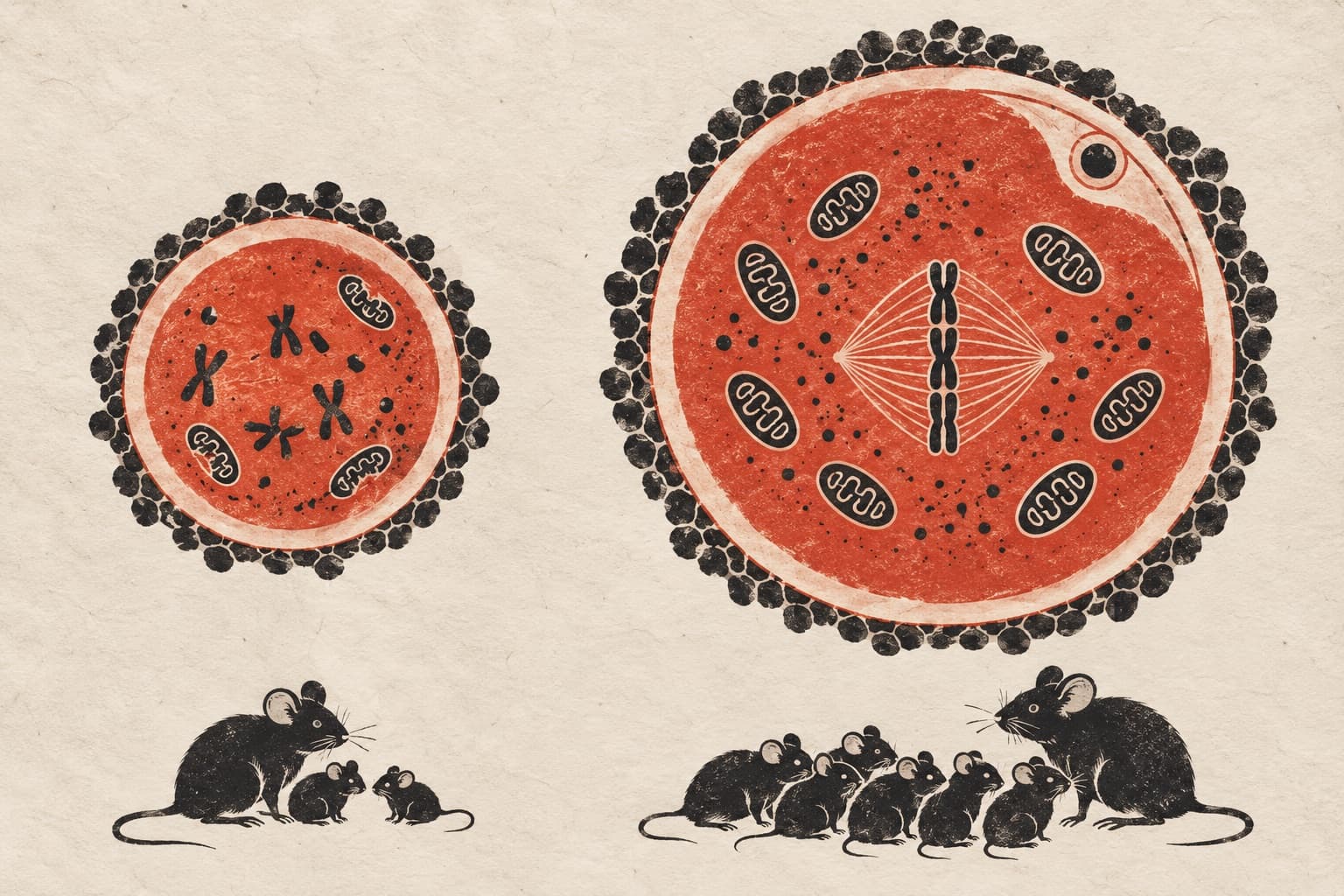
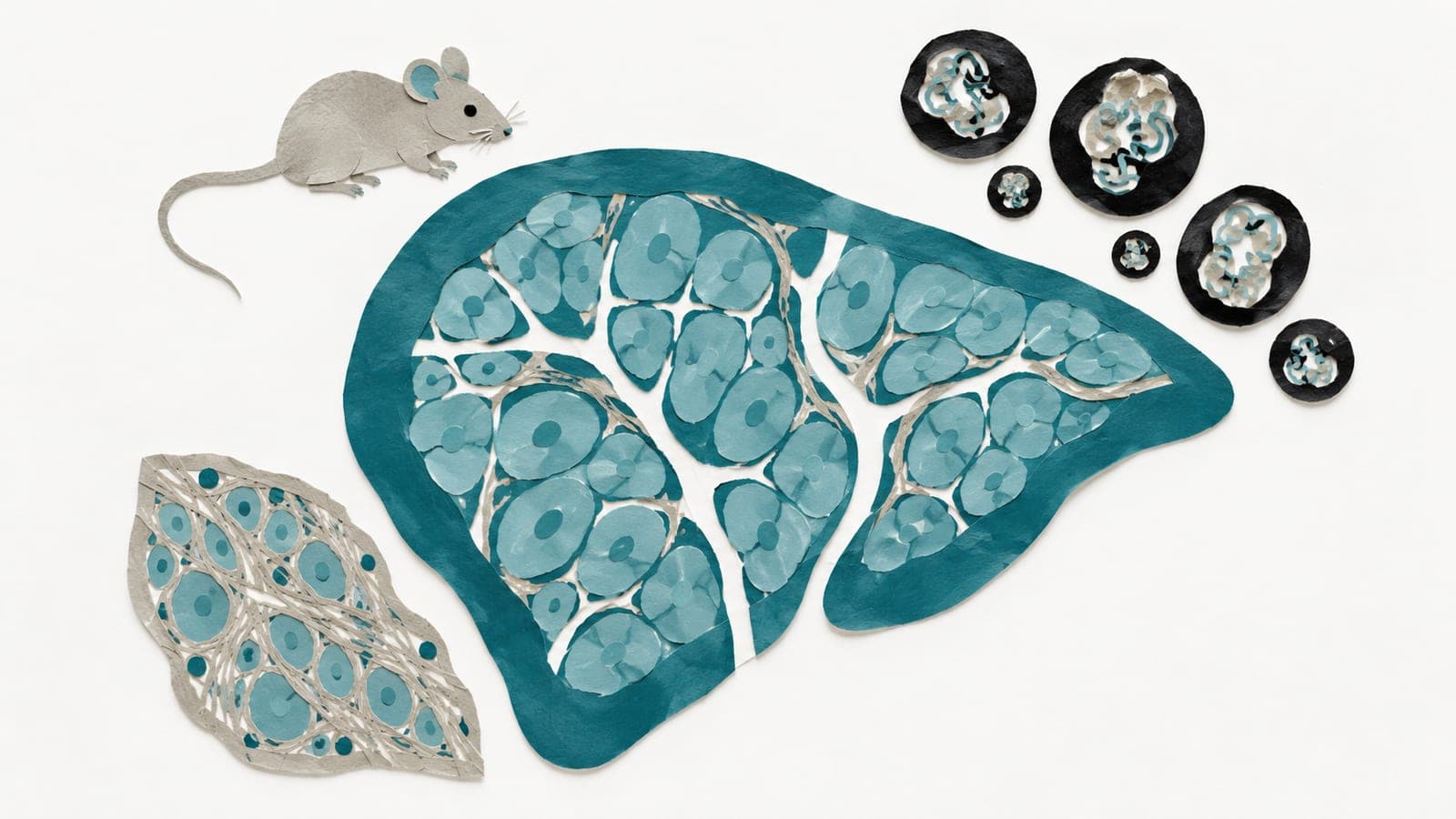
Age-related infertility has become the primary determinant of reproductive failure in modern societies due to a growing mismatch between biological and social fertility timelines. Accordingly, this review, adopting a uniquely holistic perspective, highlights the critical intersection between the demographic shift towards delayed parenthood and the physiological limitations of female reproductive aging, aiming to synthesize both established practices and the most promising regenerative frontiers. Reproductive aging involves a multifactorial decline across ovarian, uterine and tubal microenvironments, characterized by follicular depletion, oocyte aneuploidy, mitochondrial dysfunction, chronic inflammation, and structural macro- and microarchitectural modifications. While oocyte and ovarian tissue cryopreservation remain the most effective established clinical strategies, their success is strictly age-dependent and cannot reverse underlying cellular deterioration. The decline of the reproductive tract mirrors general organismal aging. Consequently, research is shifting towards new pharmacological interventions and regenerative approaches, such as coenzyme Q10, platelet-rich plasma, stem-cell-based therapies and artificial ovary development. These advancements suggest that future fertility preservation will adopt a holistic, anti-aging perspective, aimed at extending reproductive longevity as part of general organismal health. Additional research is needed to establish the long-term safety and clinical efficacy of these emerging experimental technologies before they can be integrated into routine practice.
The paper
Azienda ospedaliera "Bianchi-Melacrino-Morelli"; Magna Graecia University
Reproductive Biomedicine Online, 25 Apr 2026, Open access