Elamipretide improves oocyte quality and restores fertility in aged mice
The peptide also boosted maturation and fertilization in aged human oocytes by activating the vitamin B6 and VEGF pathway.
Aging Cell
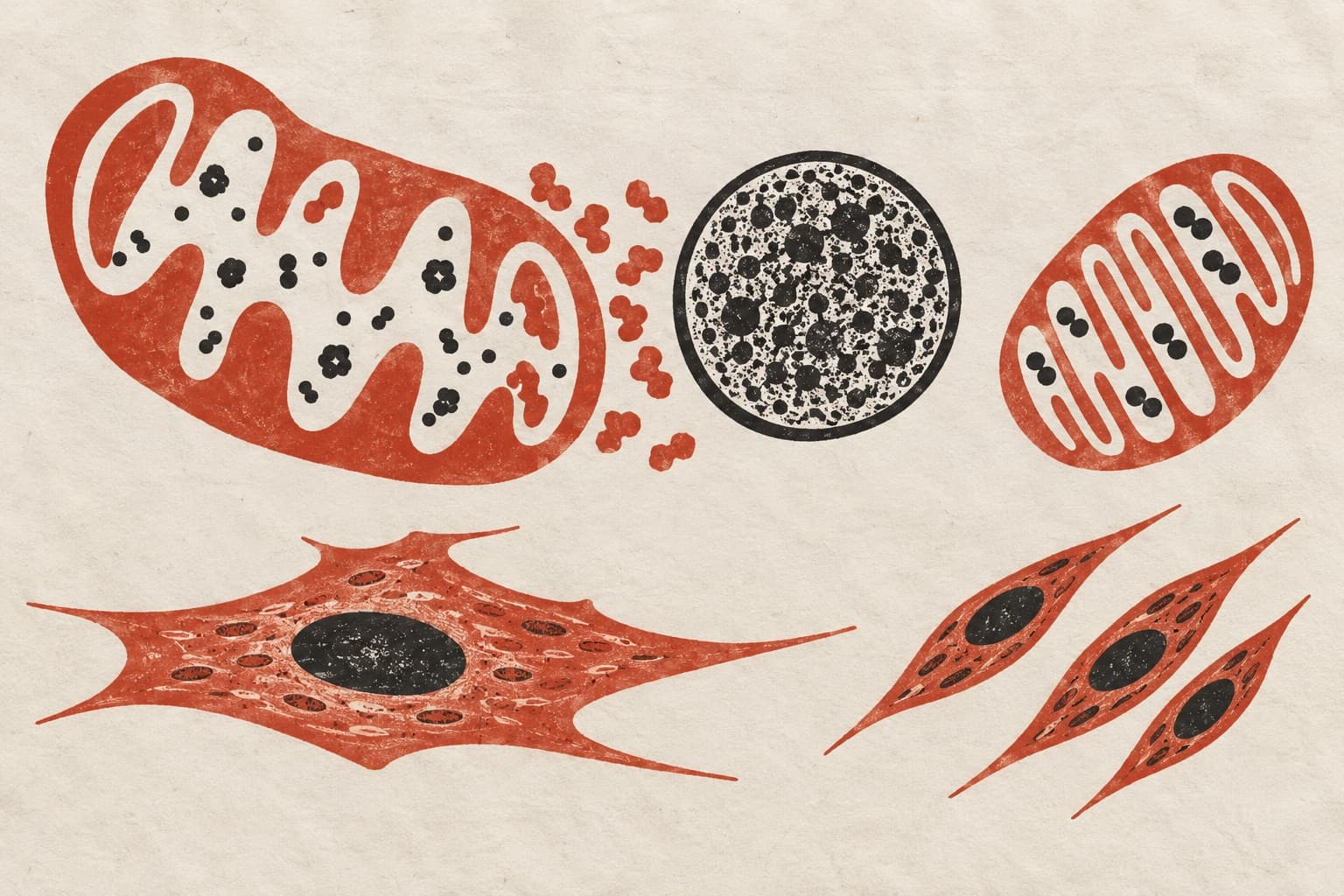
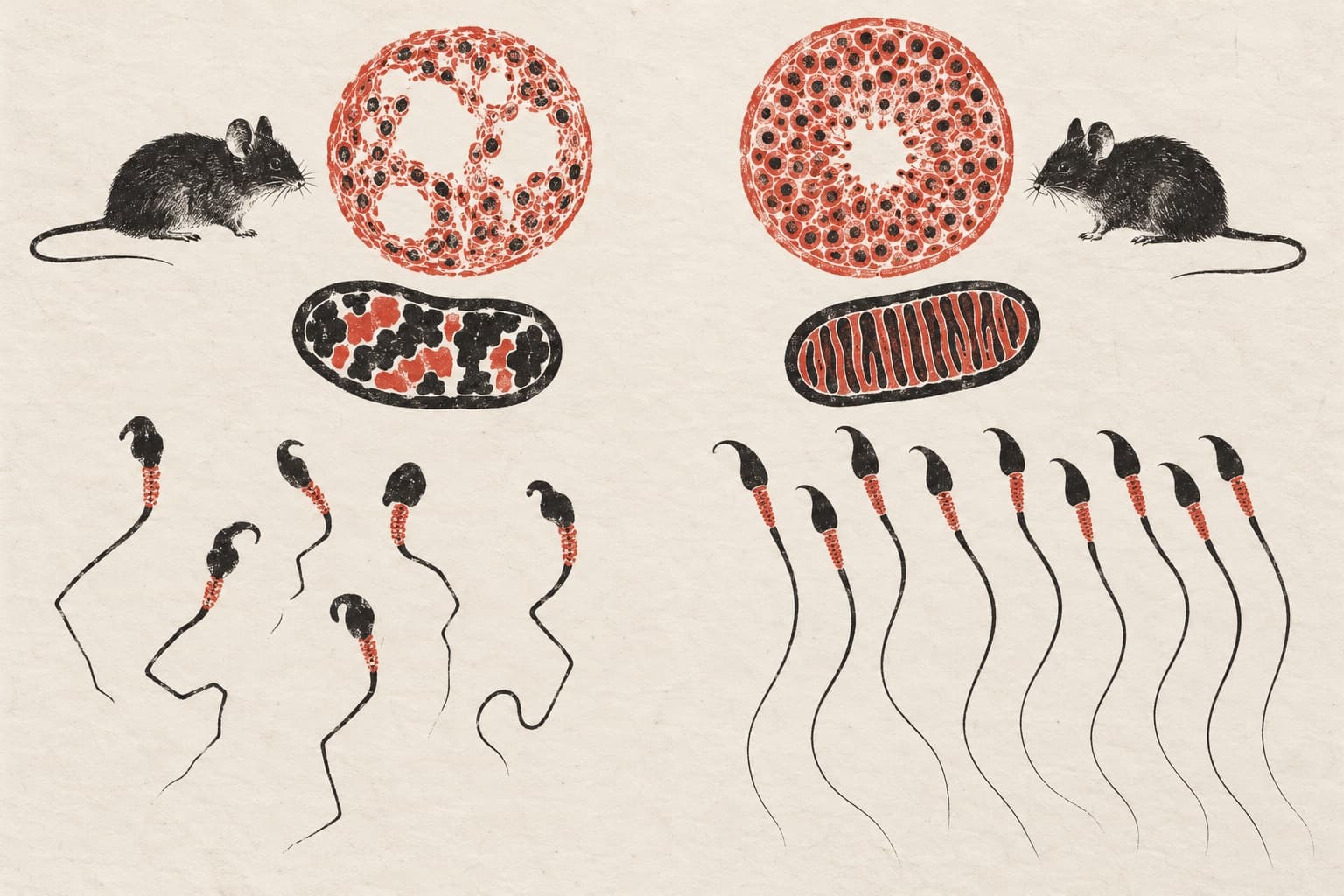
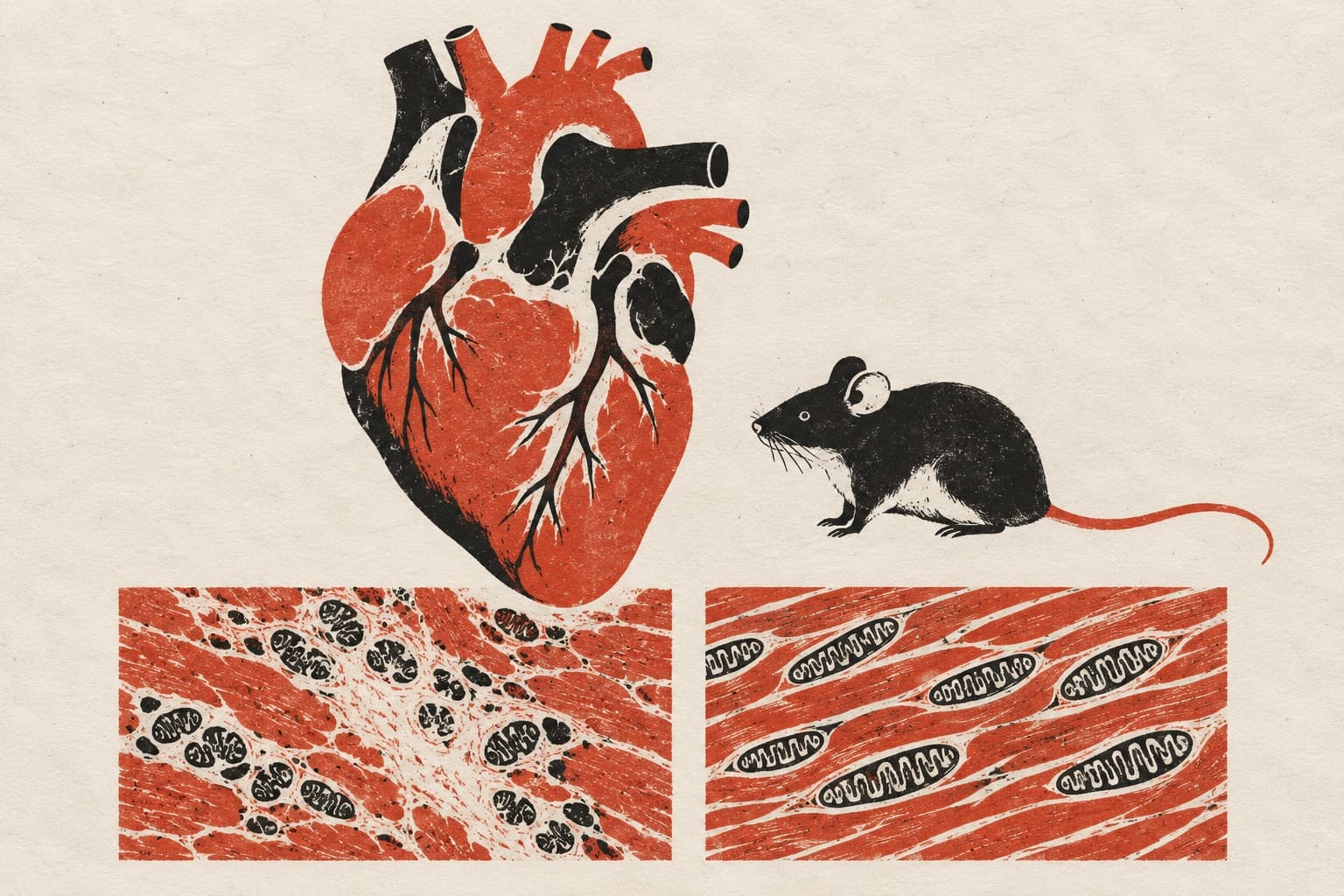
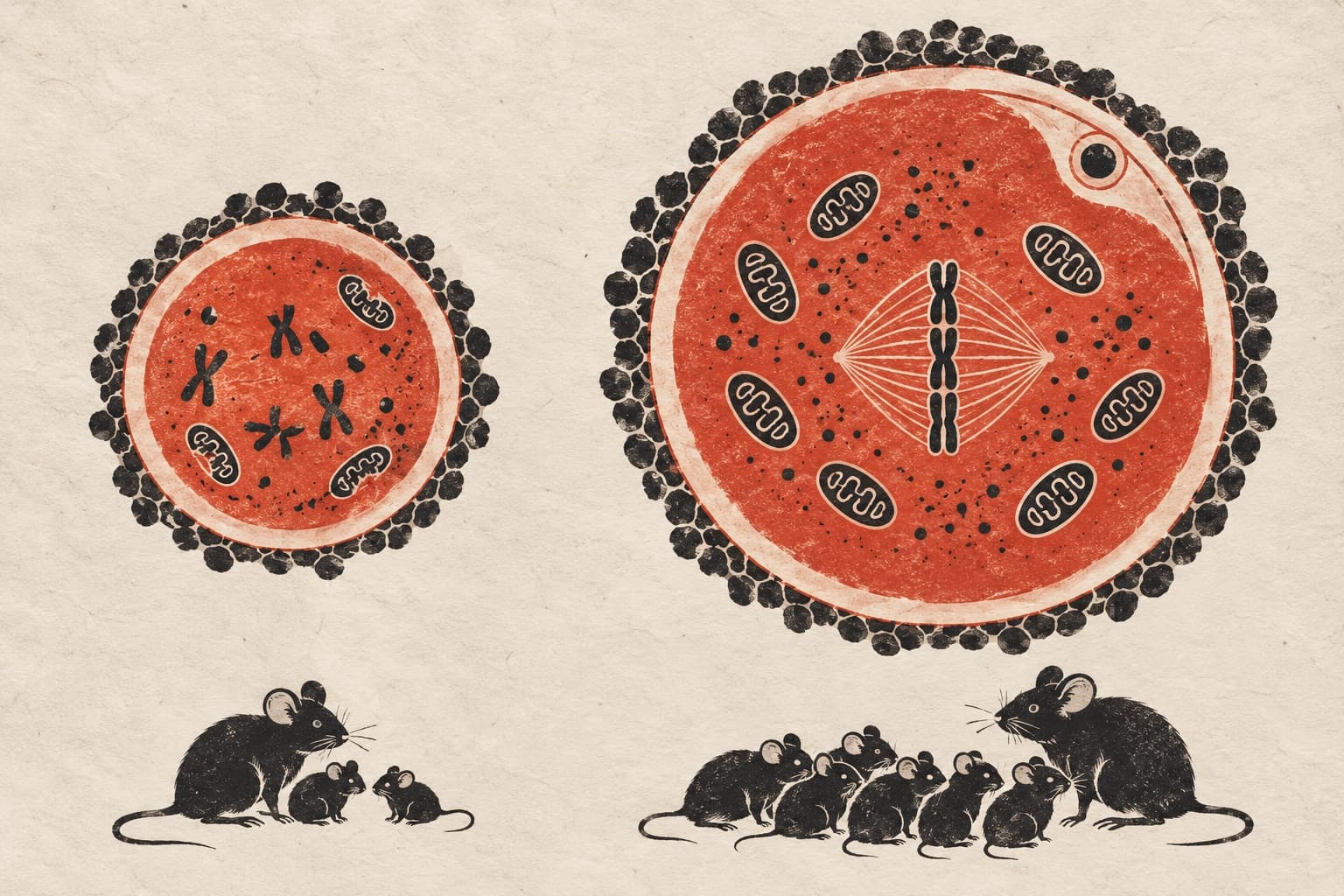
In female mice experiencing reproductive aging, administration of the peptide elamipretide increased litter size and ameliorated age-related declines in oocyte quality. Researchers observed that the treatment improved both nuclear and cytoplasmic maturation in aged mouse oocytes. Metabolomic and transcriptomic profiling revealed broad restoration of biological pathways, accompanied by enhanced mitochondrial metabolism, organelle reorganization, and cytoskeletal dynamics. Mechanistically, elamipretide alleviated age-associated maturation defects by synergistically activating the vitamin B6-VEGF signaling axis. Beyond rodent models, the authors evaluated elamipretide across other species. In aged human oocytes, the peptide significantly promoted maturation, fertilization, and cleavage rates. It also rescued the developmental competence of porcine oocytes subjected to oxidative damage.
Why it matters
Ovarian aging and declining oocyte quality are primary drivers of reproductive senescence and infertility. Identifying interventions that restore mitochondrial metabolism and cytoplasmic maturation provides key mechanistic targets for extending female reproductive longevity.
Caveats
The fertility and litter size benefits were demonstrated in mice, whereas effects on human oocytes were tested only in cultured cells. Clinical trials are necessary to verify whether elamipretide improves pregnancy and live birth outcomes in women.
The paper
Elamipretide Rejuvenates Oocyte Quality and Restores Female Fertility During Reproductive Aging
Show 9 more authors
Xin Guo, Huanhua Chen, Yu‐Xuan Hou, Xuan Wu, Zi‐Jian Wu, Wen‐Lin Pan, Rui‐Jie Ma, Ping‐Shuang Lu, Jinhui Shu,Nanjing Agricultural University
Aging Cell · 1 Oct 2026