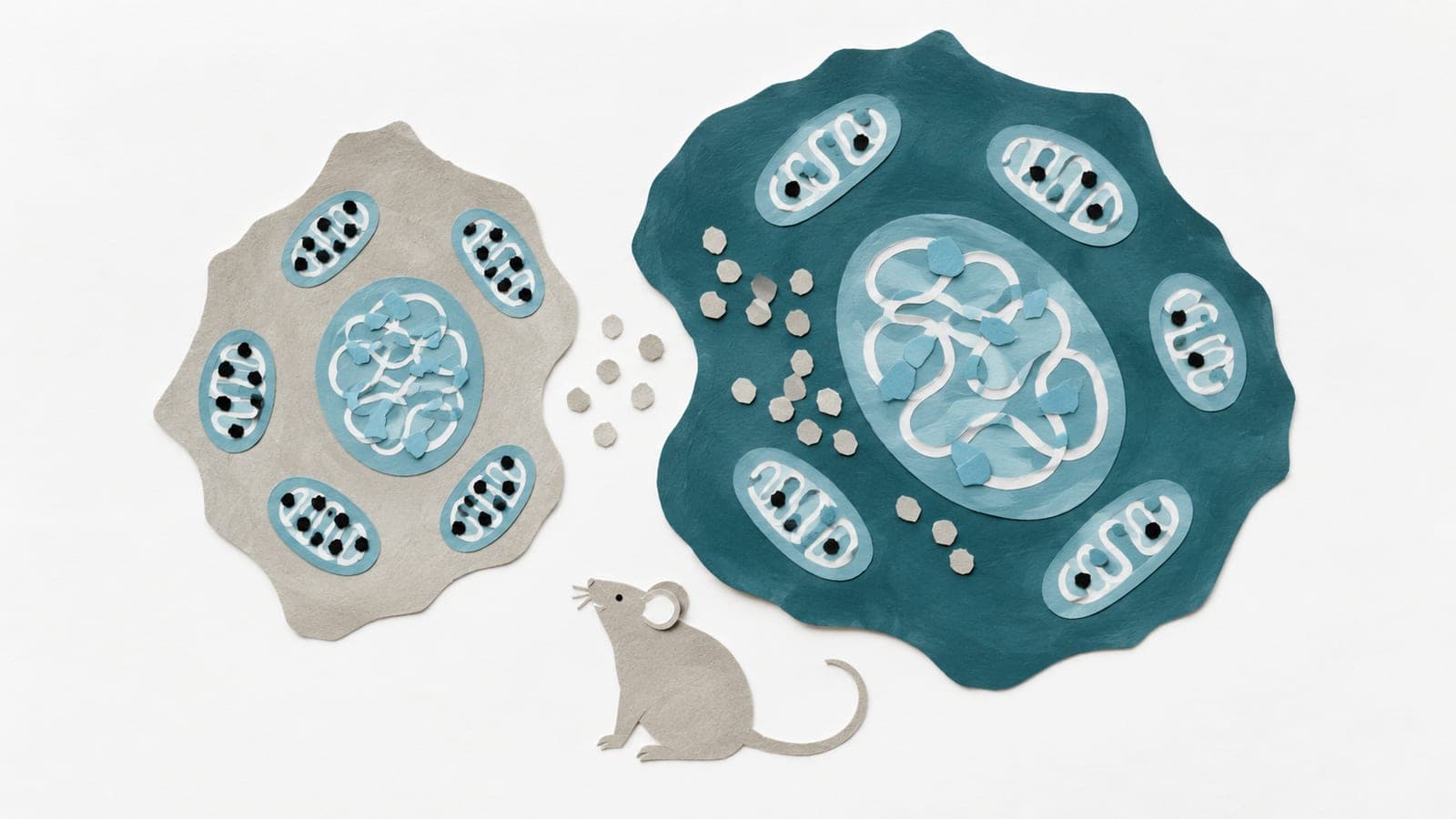
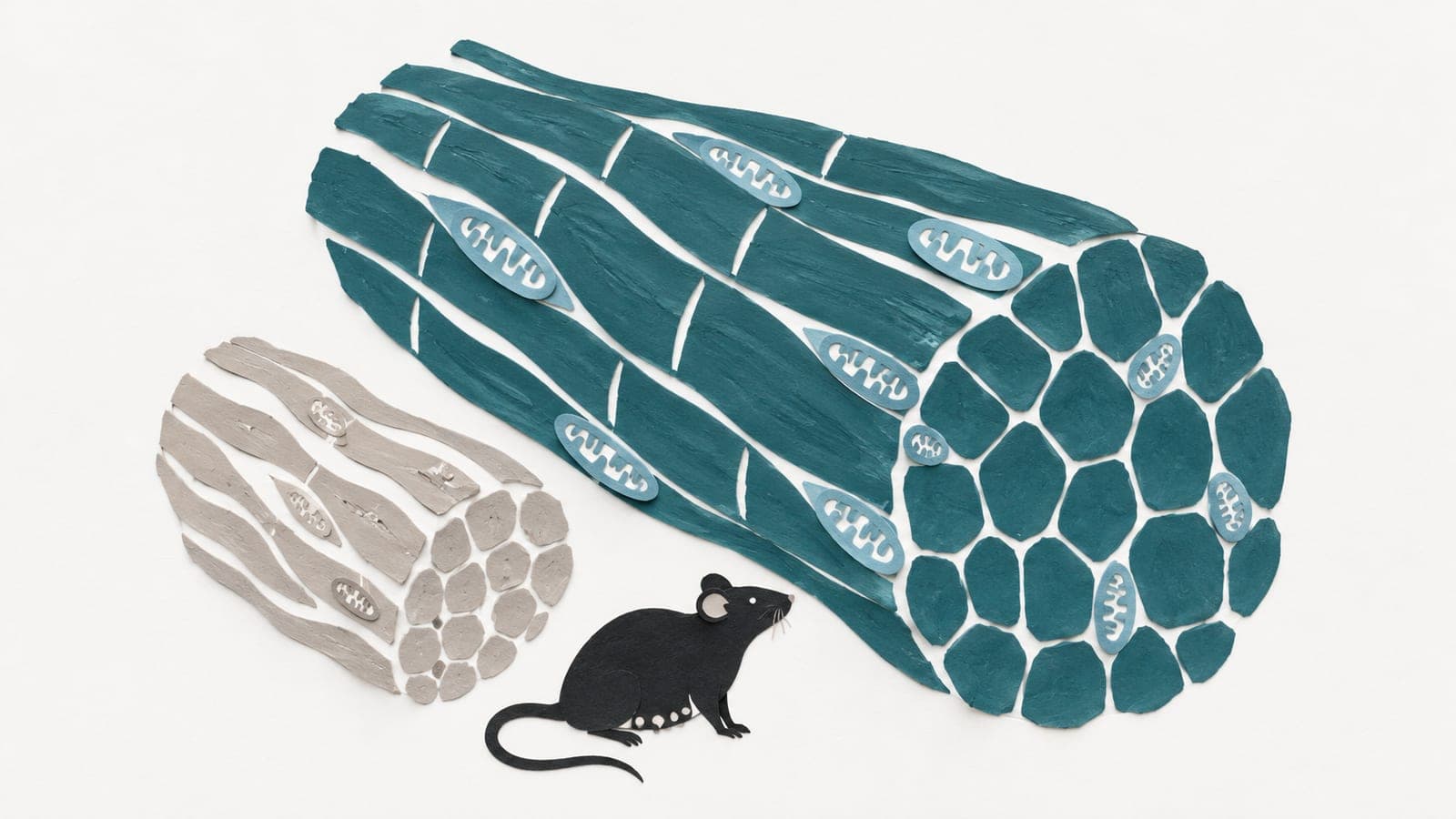
Evaluation of Molecular Responses and Longevity Markers in Acheta domesticus Following Combined Resveratrol and Nanodiamond Exposure
Abstract
Sirtuins are conserved proteins regulating oxidative stress and lifespan. While they enhance cellular adaptability, the long-term biological consequences of combining bioactive compounds with nanomaterials remain poorly understood. This study examined the effects of combined resveratrol and nanodiamonds (RV+NDs) in two Acheta domesticus strains: wild-type (H) and longevity-selected (D). The impact was assessed across developmental stages, focusing on survival, total sirtuin activity, specific isoforms (SIRT1, SIRT6), oxidative stress, antioxidant enzymes, and DNA damage markers. RV+NDs exposure did not result in consistent lifespan extension or sustained oxidative stress. Molecular responses were strongly dictated by genetic background and age, as reflected by significant survival differences between strains H and D (p < 0.001) Notably, a persistent increase in total sirtuin activity (~60% ↑ across developmental stages) occurred exclusively in the longevity-selected strain, though no stable activation of SIRT1 or SIRT6 was detected. While classical redox parameters showed only transient changes, DNA damage response markers emerged as the most sensitive indicators of RV+NDs exposure. Overall, the findings demonstrate that RV+NDs treatment induces context-dependent, adaptive molecular responses. This highlights the critical role of genetic background and age in shaping ageing-related pathways, suggesting that nanodelivery systems do not produce universal effects across different genotypes.
- Resveratrol
- Nanodiamonds
- DNA damage response
- Oxidative stress and ROS signalling
- Antioxidant enzyme activity
- A. domesticus
The paper
University of Silesia in Katowice
International Journal of Molecular Sciences, 19 Mar 2026