HYAL2-generated low-molecular-weight hyaluronic acid promotes intervertebral disc degeneration via the CD44/AKT signaling axis
Abstract
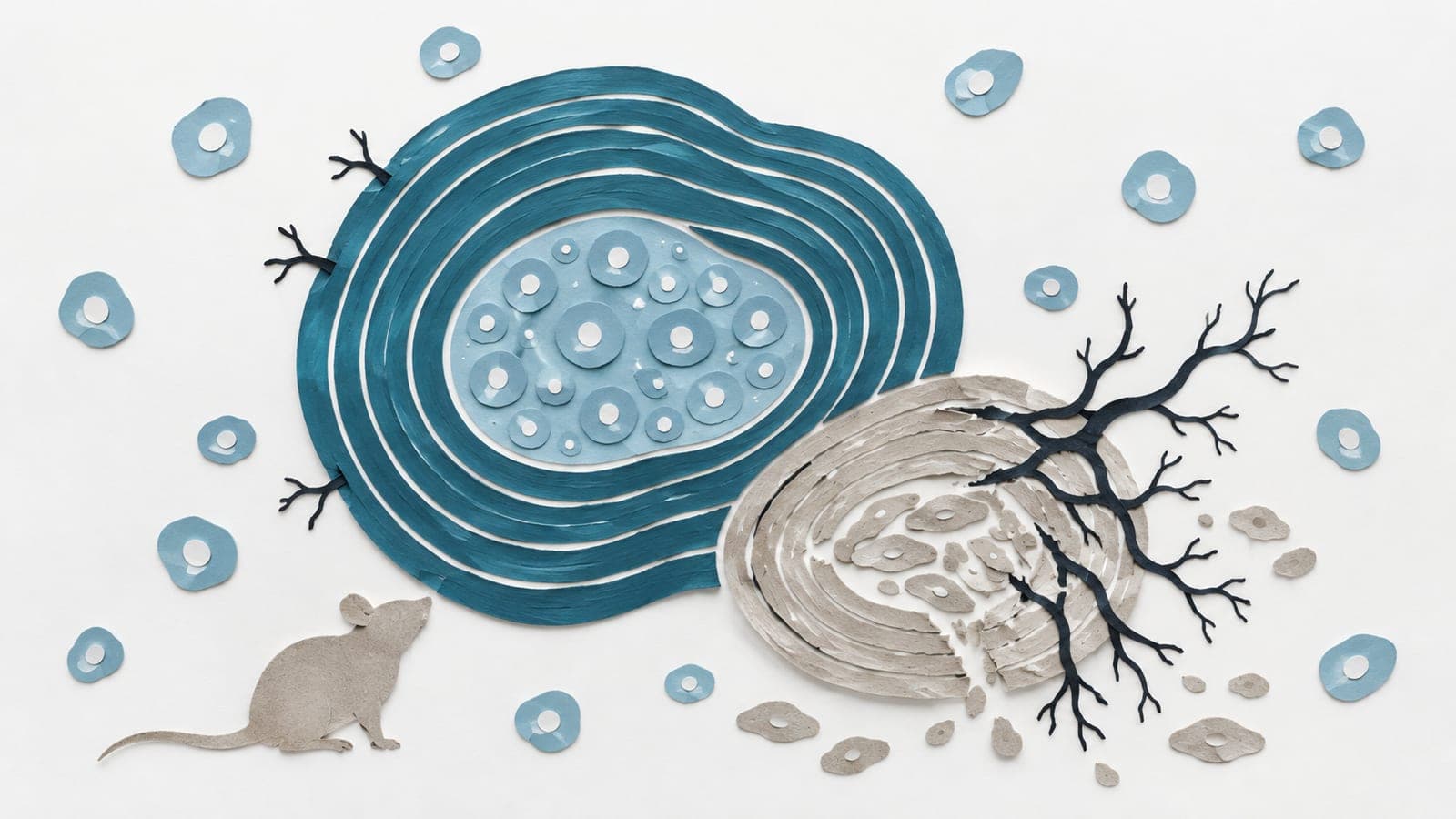
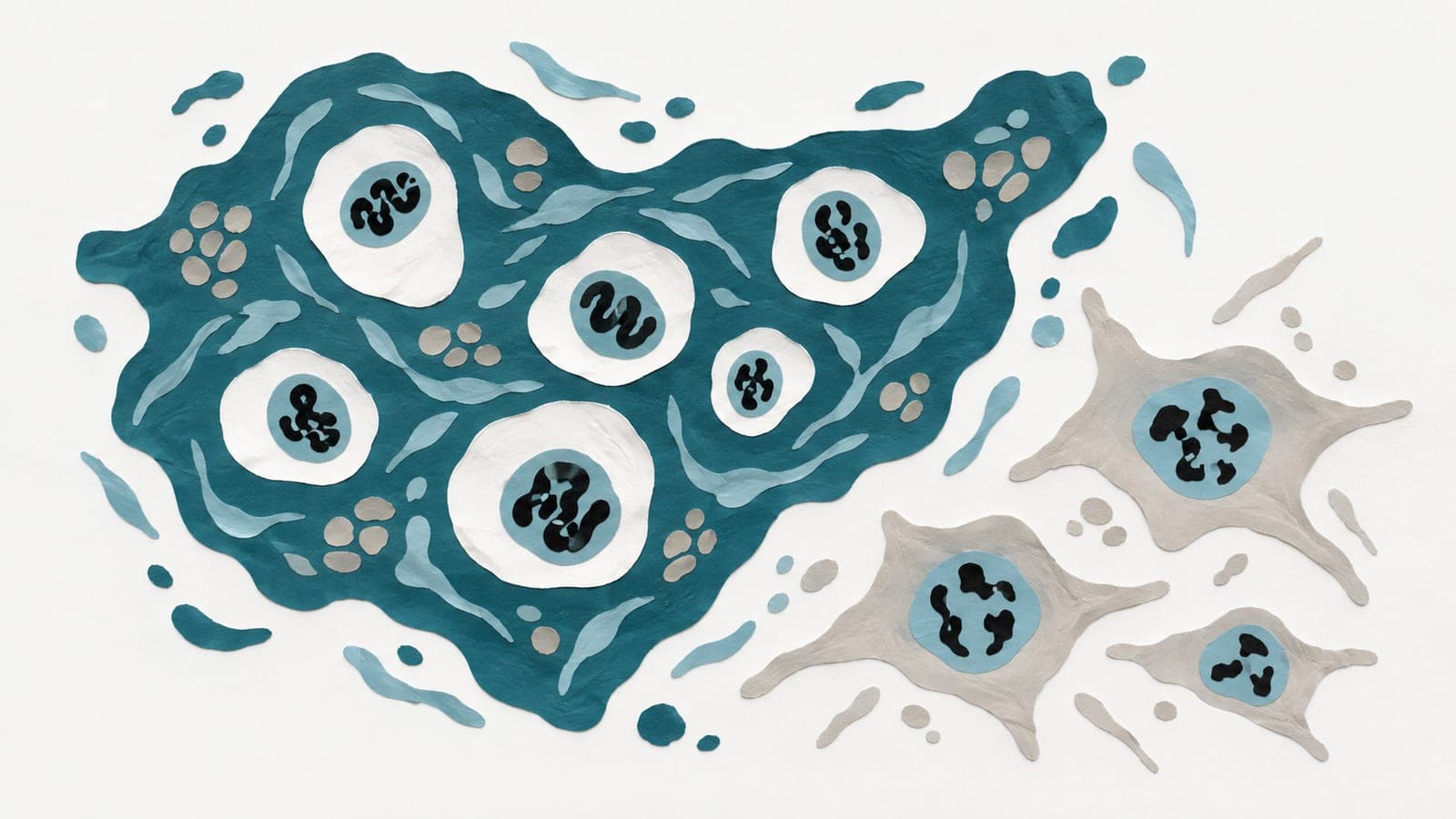
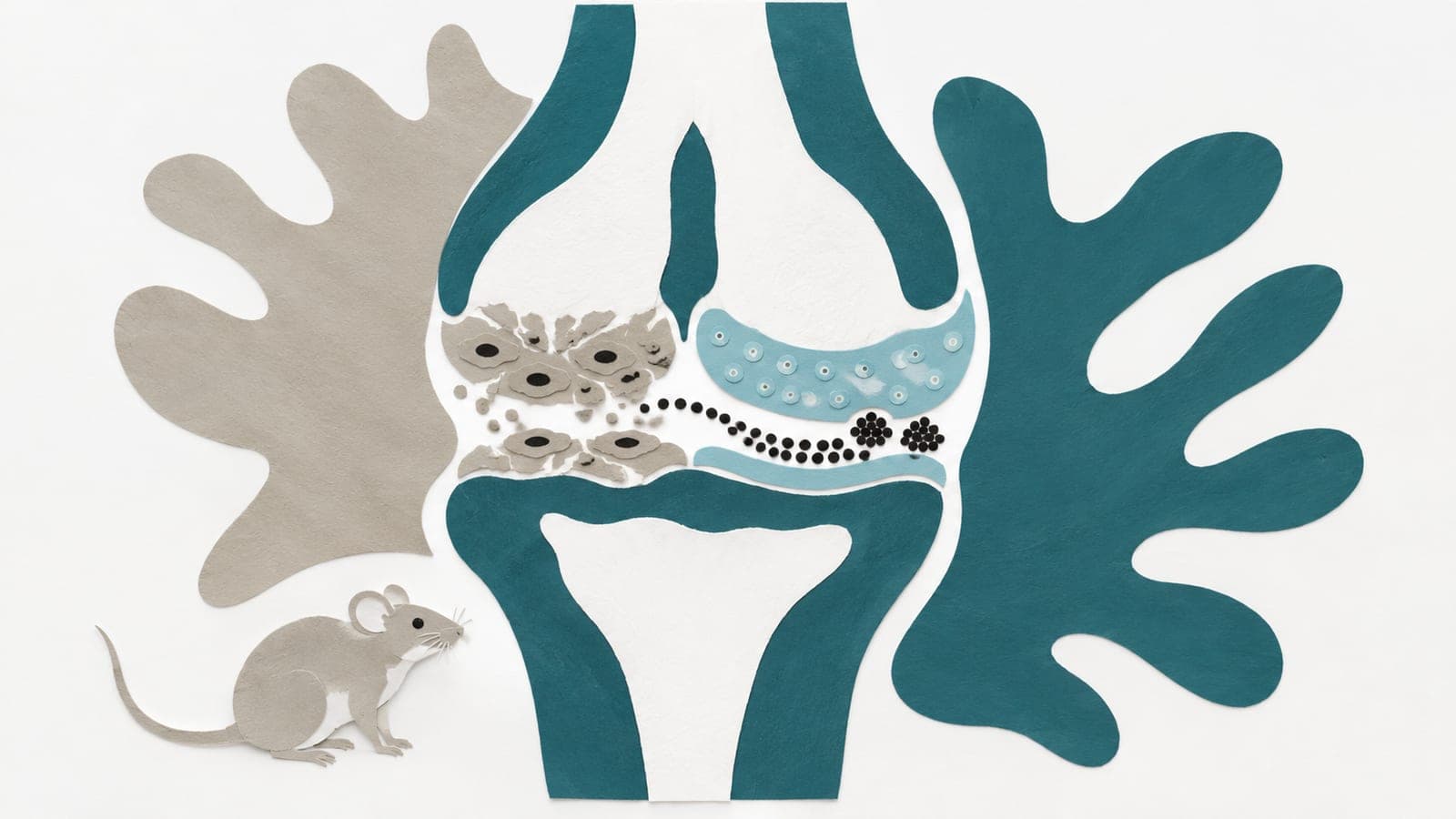
Intervertebral disc degeneration (IVDD) is a major cause of low back pain. Hyaluronic acid (HA), a key component of the extracellular matrix (ECM), has an essential yet complex role in IVDD, and the balance between its high-molecular-weight (HMW) and low-molecular-weight (LMW) forms appears to be critical. Here, we identify hyaluronidase 2 (HYAL2) and its principal catalytic product, LMW-HA, as active drivers of IVDD. HYAL2 expression was markedly increased in degenerative discs in a mouse IVDD model, and genetic ablation of HYAL2 attenuated disease progression, indicating a pathogenic contribution. In vitro, HYAL2 overexpression and exogenous LMW-HA both induced nucleus pulposus (NP) cell senescence, inflammatory activation and ECM degradation. Mechanistically, we identify CD44 as the essential receptor mediating these effects: engagement of CD44 by LMW-HA suppressed AKT phosphorylation, whereas CD44 knockdown abolished LMW-HA-induced AKT inactivation and NP cell degeneration. Conversely, AKT reactivation reversed the deleterious cellular phenotypes. Collectively, these data define the HYAL2/LMW-HA/CD44/AKT axis as a central pathogenic pathway in IVDD and suggest several potential targets for disease-modifying interventions.
- Low-molecular-weight hyaluronic acid
- HYAL2
- CD44
- Intervertebral disc degeneration
- Extracellular matrix
- Mice
The paper
Second Military Medical University
Biochemical and Biophysical Research Communications, 6 Mar 2026