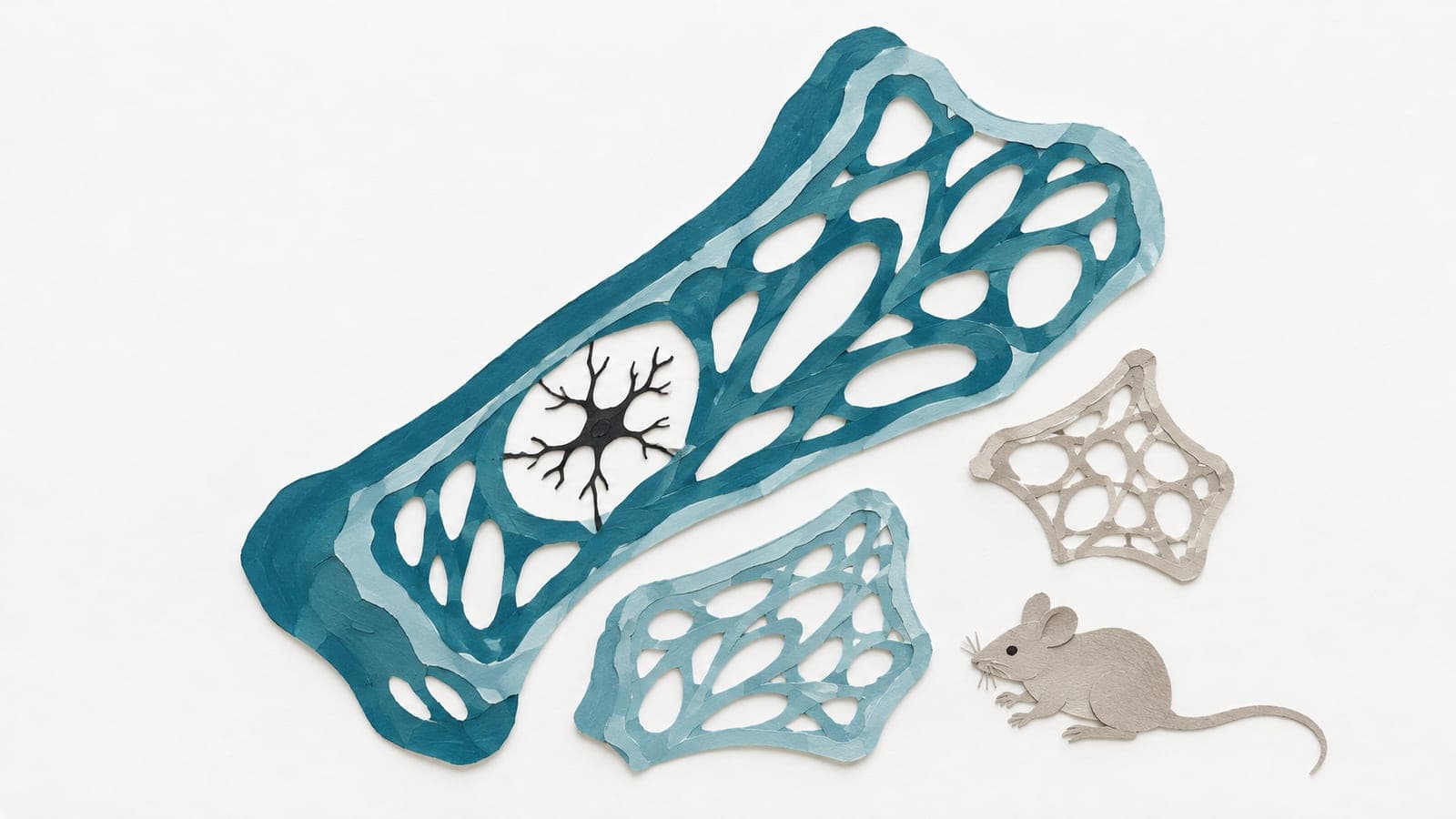
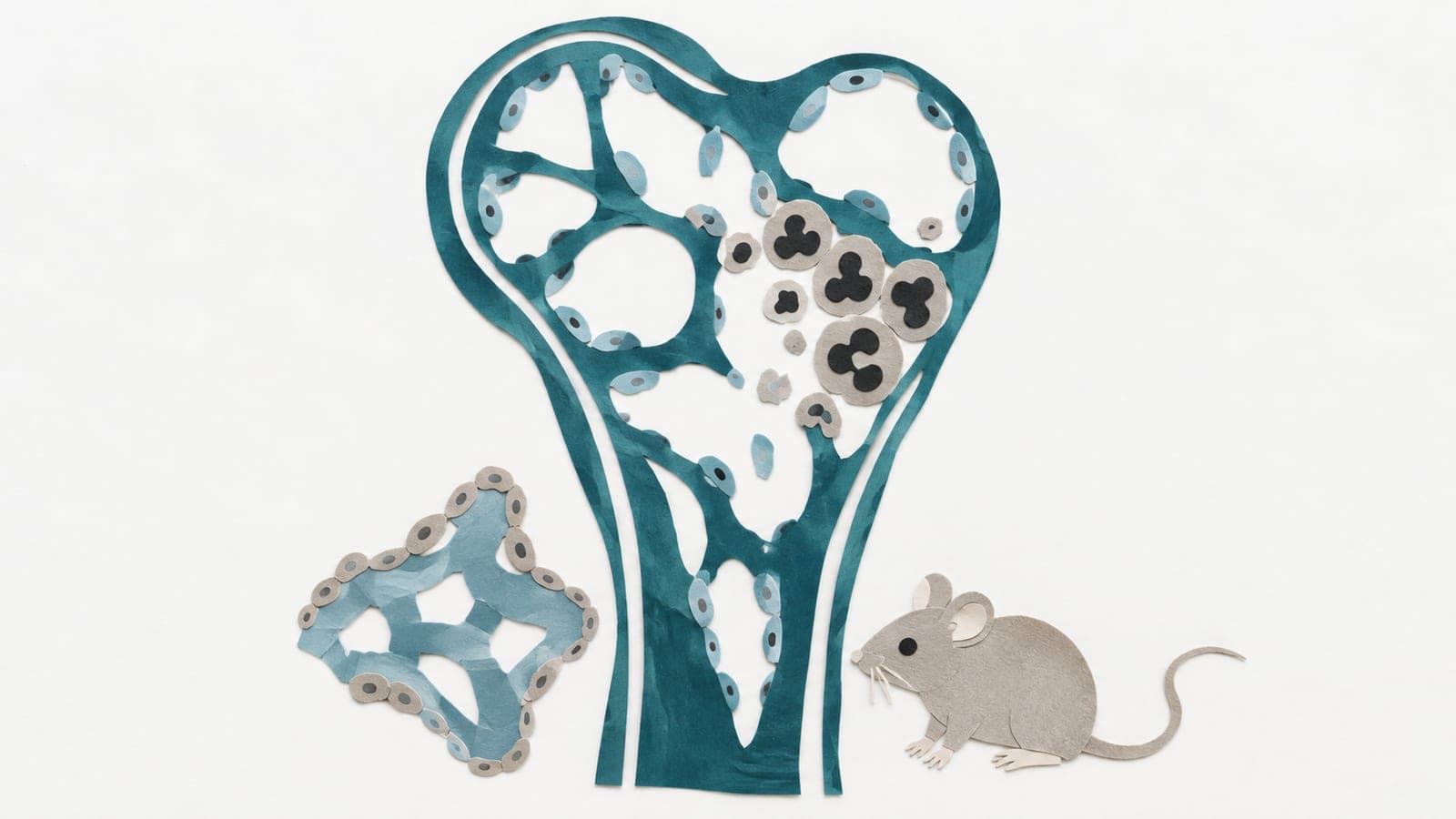
Tart Cherry Supplementation Has Greater Osteogenic Effect on Adult and Aging Bone of C57BL/6 Female Mice than Treadmill Running
8 weeks
Abstract
BACKGROUND: Independently, diet and exercise can benefit bone health, but they are seldom studied in combination. OBJECTIVES: We investigated how dietary supplementation with tart cherry (TC) alone and in combination with exercise affects bone, and whether this response differs with age. METHODS: Two cohorts of female C57BL/6 mice (6 wk old; n = 12 mice/group and 60 wk old; n = 14 mice/group) were assigned to diets (control vs. with TC diet) and exercise (with vs. without treadmill running) for 8 wks. Bone microarchitecture, biomechanics, and gene expression of regulators of bone cell differentiation and activity were assessed. Data were analyzed using 2-way analysis of variance followed by post hoc testing. Diet effects on serum untargeted metabolomics were analyzed using unpaired t-tests. For all analyses, α = 0.05. RESULTS: Diet and exercise differentially affected young and aging mice. Both TC (P < 0.0001) and exercise (P < 0.05) independently increased femoral trabecular bone in young mice. Although exercise failed to increase cortical parameters, it improved bone strength. In the aging cohort, TC treatment improved cortical thickness (P < 0.05) and biomechanical properties of the femur. The effects of TC and exercise were not additive in either cohort. Within the bone of young mice, TC increased (P < 0.01) the expression of bone morphogenetic protein 2 (Bmp2), a regulator of osteoblast differentiation and decreased (P < 0.01) matrix metalloproteinases (Mmp8 and Mmp9), involved in bone matrix degradation. In the aging mice, TC increased (P < 0.05) regulators of osteoblast differentiation (Osterix and Bmp2), and TC and exercise independently increased collagen type 1A, indicative of osteoblast activity. Metabolomics revealed increases in xenometabolites from TC and the gut microbiota (e.g., hippuric acid, methyltyrosine, and methylgalactoside) in both cohorts, which positively correlated with bone parameters. CONCLUSIONS: We conclude there was no added benefit of combining TC with the running protocol used in this study. TC had a pronounced osteogenic effect in both age groups and metabolomic profiling revealed new potential mechanisms by which its bone effects are mediated.
- Treadmill running
- Prunus cerasus
- Extracellular matrix remodelling
- Microbiome composition
- Hippuric acid
- Mice
The paper
Indiana University Indianapolis; Oklahoma State University
The Journal of Nutrition, 2 Mar 2026