Sarm1-containing extrachromosomal circular DNA promotes aging-associated cardiac fibrosis via TGF-β/Smad activation
Abstract
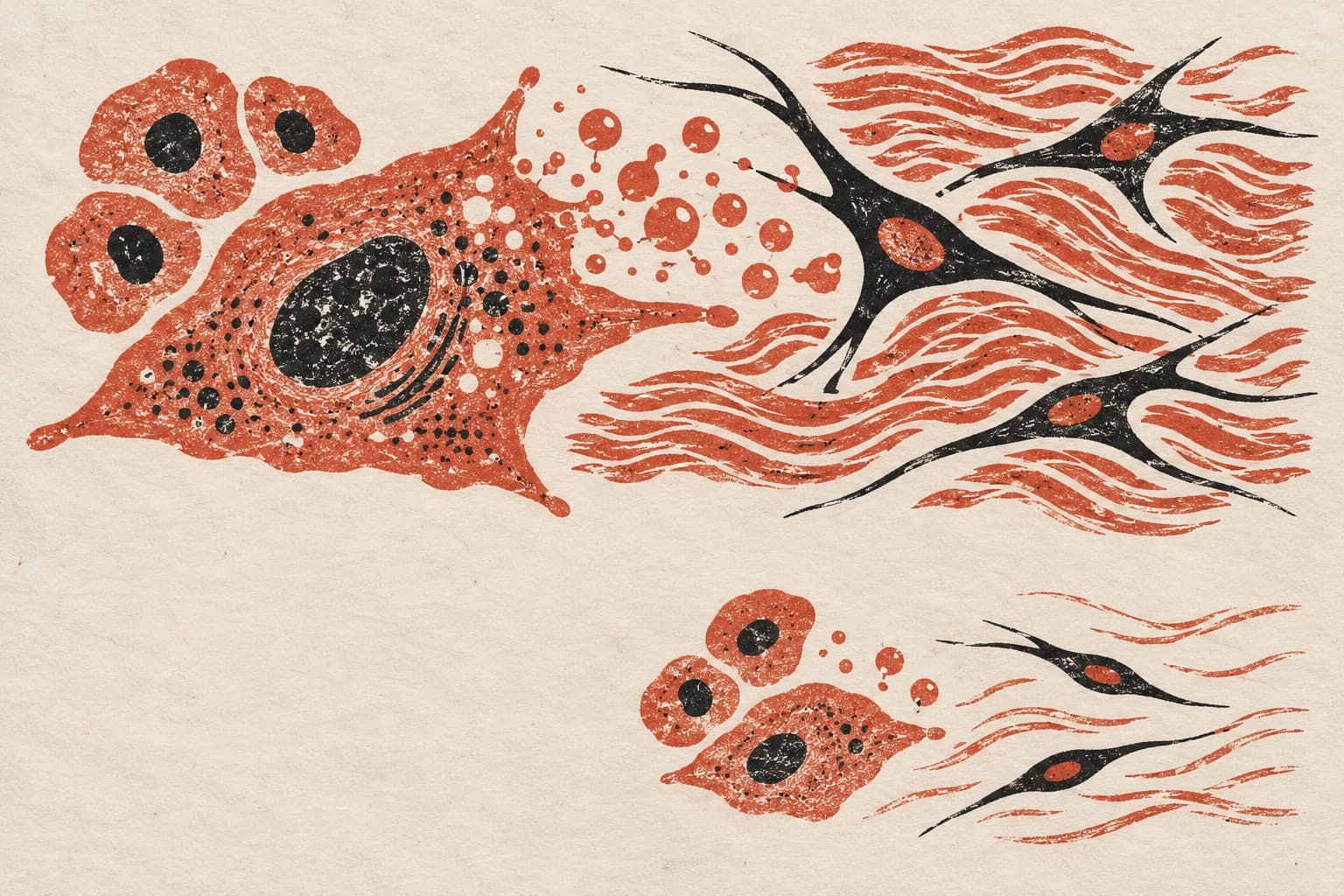
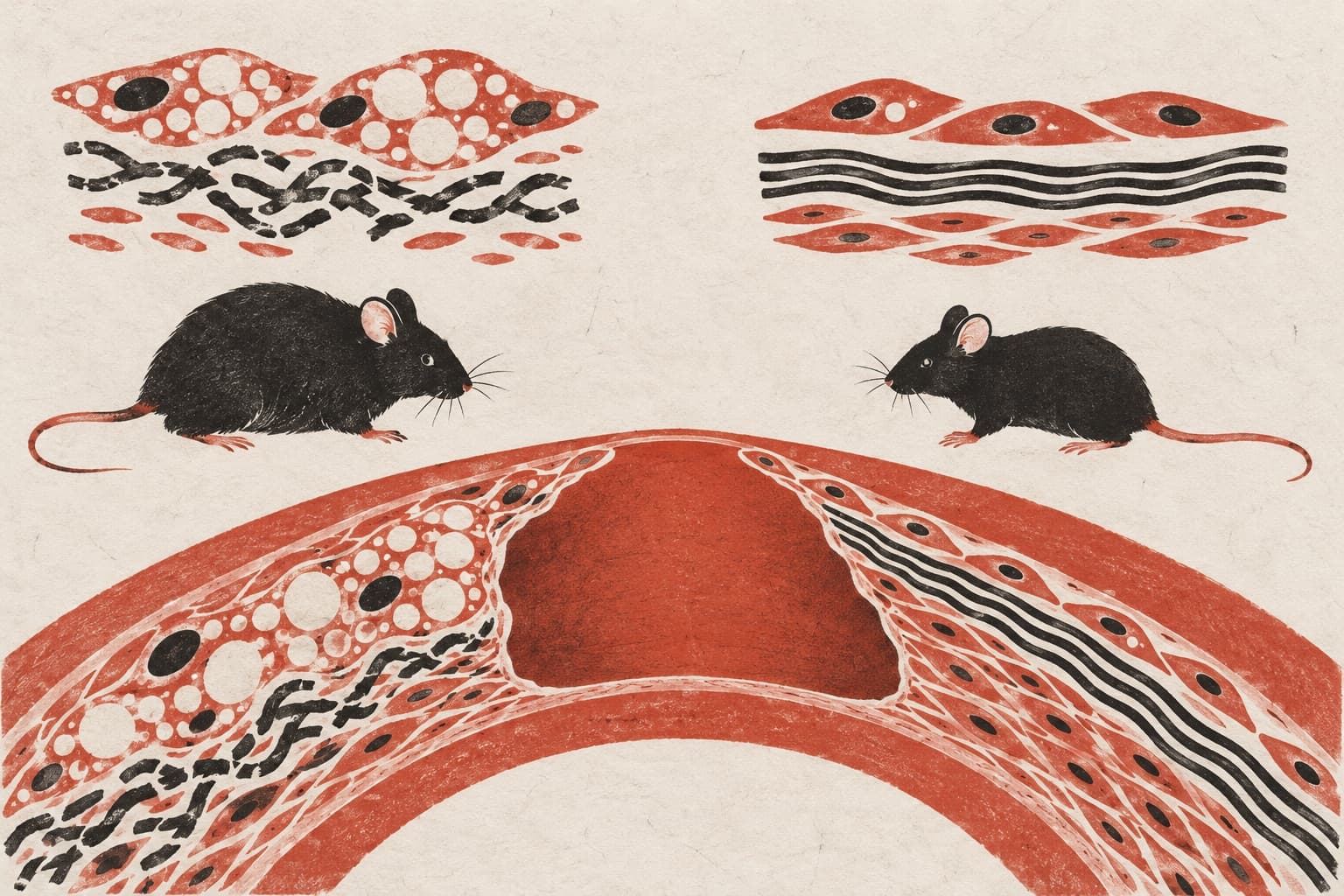
Cardiac aging is associated with progressive cardiac fibrosis and dysfunction, yet the underlying mechanisms remain incompletely understood. Extrachromosomal circular DNA (eccDNA) has been reported to participate in tumor and age-related genomic instability, while its role in cardiac fibrosis during aging remains to be fully elucidated. In this study, circular DNA sequencing and RNA seqencing were performed to analyze eccDNA profiles in young and aged cardiac tissues. The number of eccDNAs in the cardiac tissue of aged mice is higher than that in young mice. Combining the annotation of eccDNAs and the key genes related to aging identified in the transcriptome, we identified sterile alpha and TIR motif containing 1 (Sarm1), a key regulator of NAD+ metabolism and neurodegeneration located in eccDNAs, as a novel driver of cardiac aging via pro-fibrotic signaling. In aged mice, Sarm1 knockdown significantly restored cardiac function and reduced fibrosis. Conversely, Sarm1 accelerated cardiac aging phenotypes in young Sarm1-overexpressing transgenic mice. Mechanistically, co-immunoprecipitation combined with mass spectrometry identified TGF-β-Smad2/3 as the dominant pathway, with pharmacological inhibition by SIS3 abolishing Sarm1-driven Smad2/3 phosphorylation. Our findings reveal that Sarm1-containing eccDNA drives cardiac aging by amplifying pro-fibrotic signaling through the TGF-β-Smad2/3 pathway, proposing eccDNAs clearance and Sarm1 inhibition as novel therapeutic strategies for aging-related cardiac fibrosis.
The paper
Harbin Medical University
Journal of Molecular Cell Biology, 2 Mar 2026