Molecular Mechanisms of Accelerated Ageing in Geriatric Depression: Interplay of Telomere Attrition, Mitochondrial Dysfunction and Cellular Senescence
Abstract
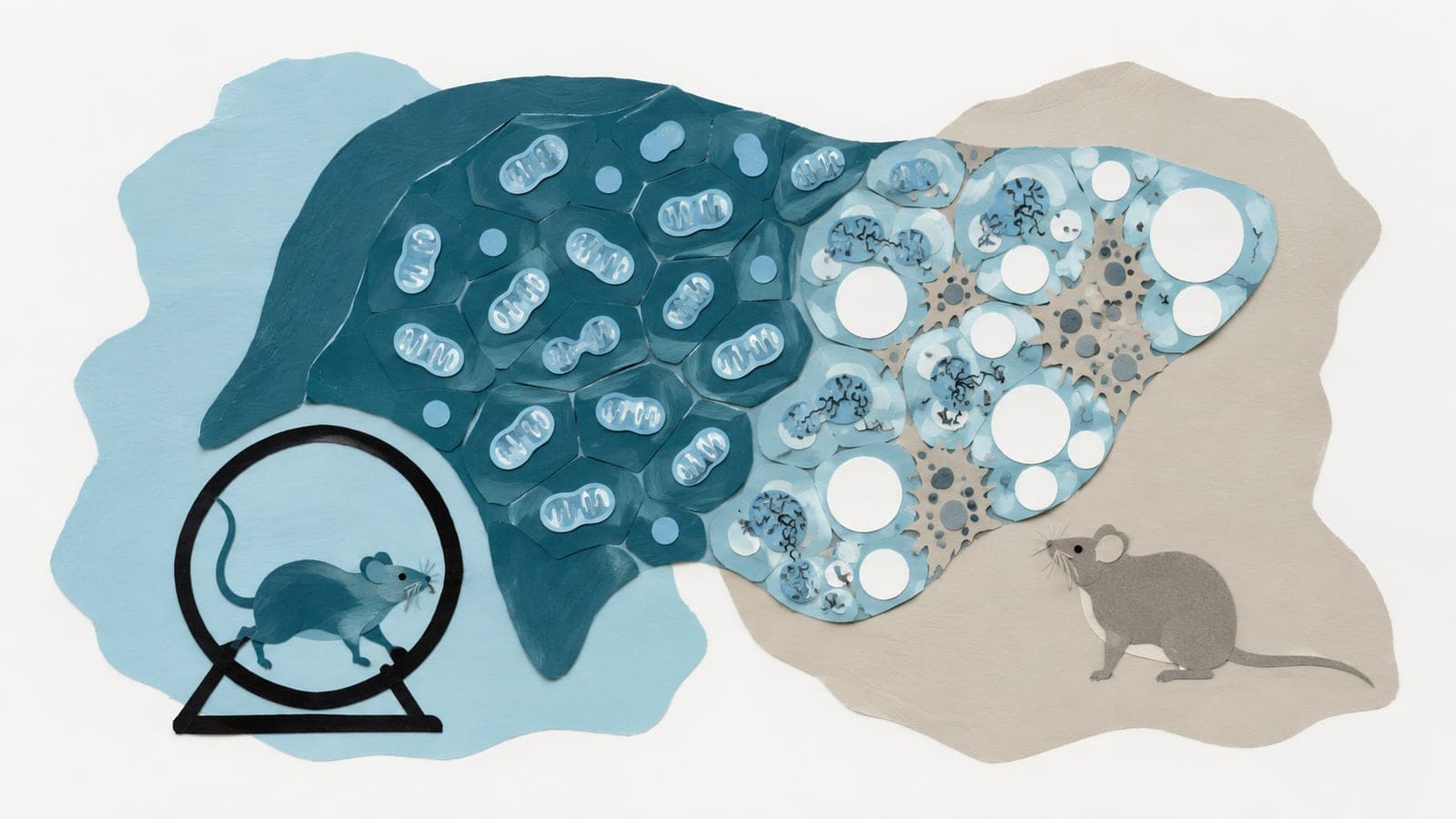
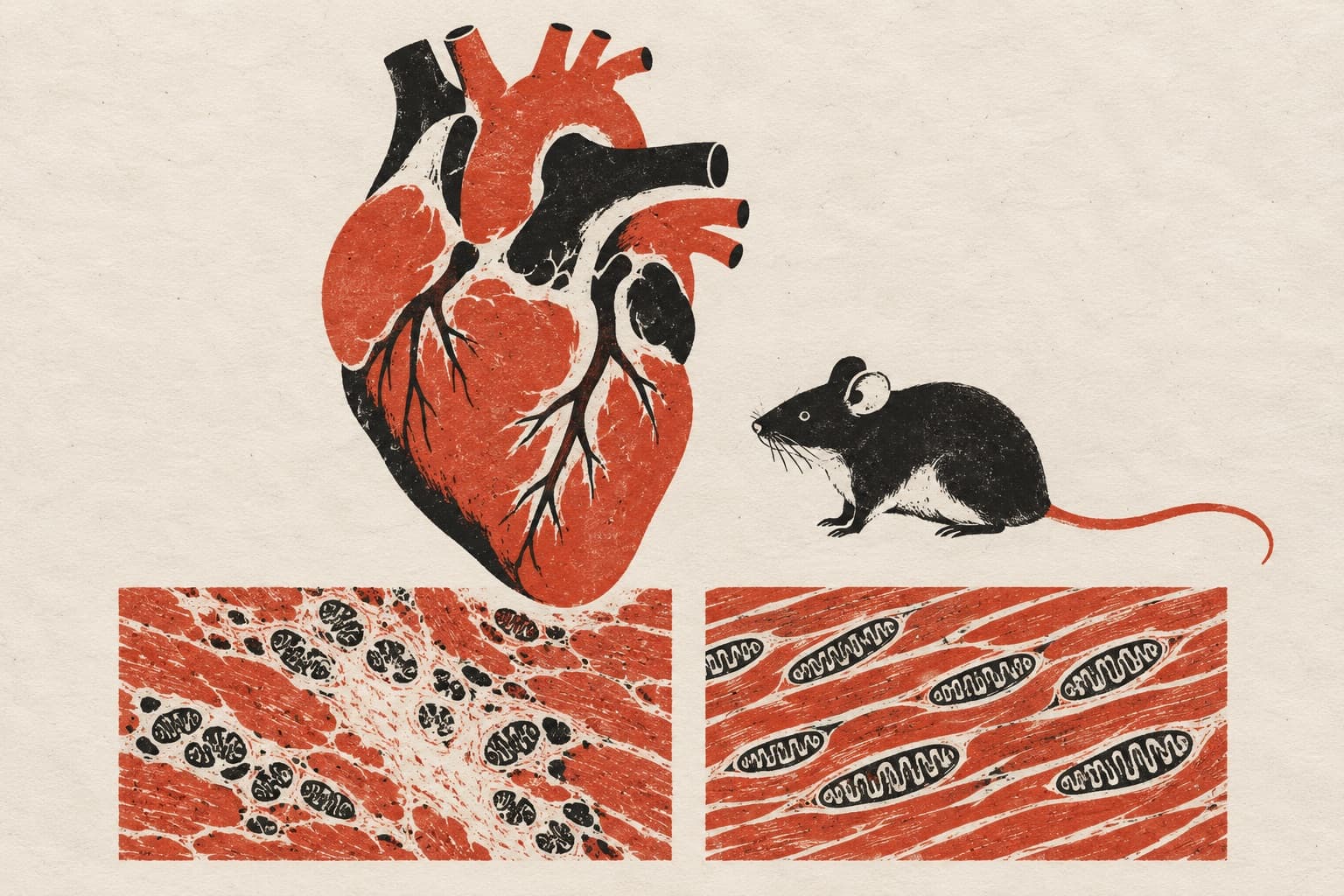
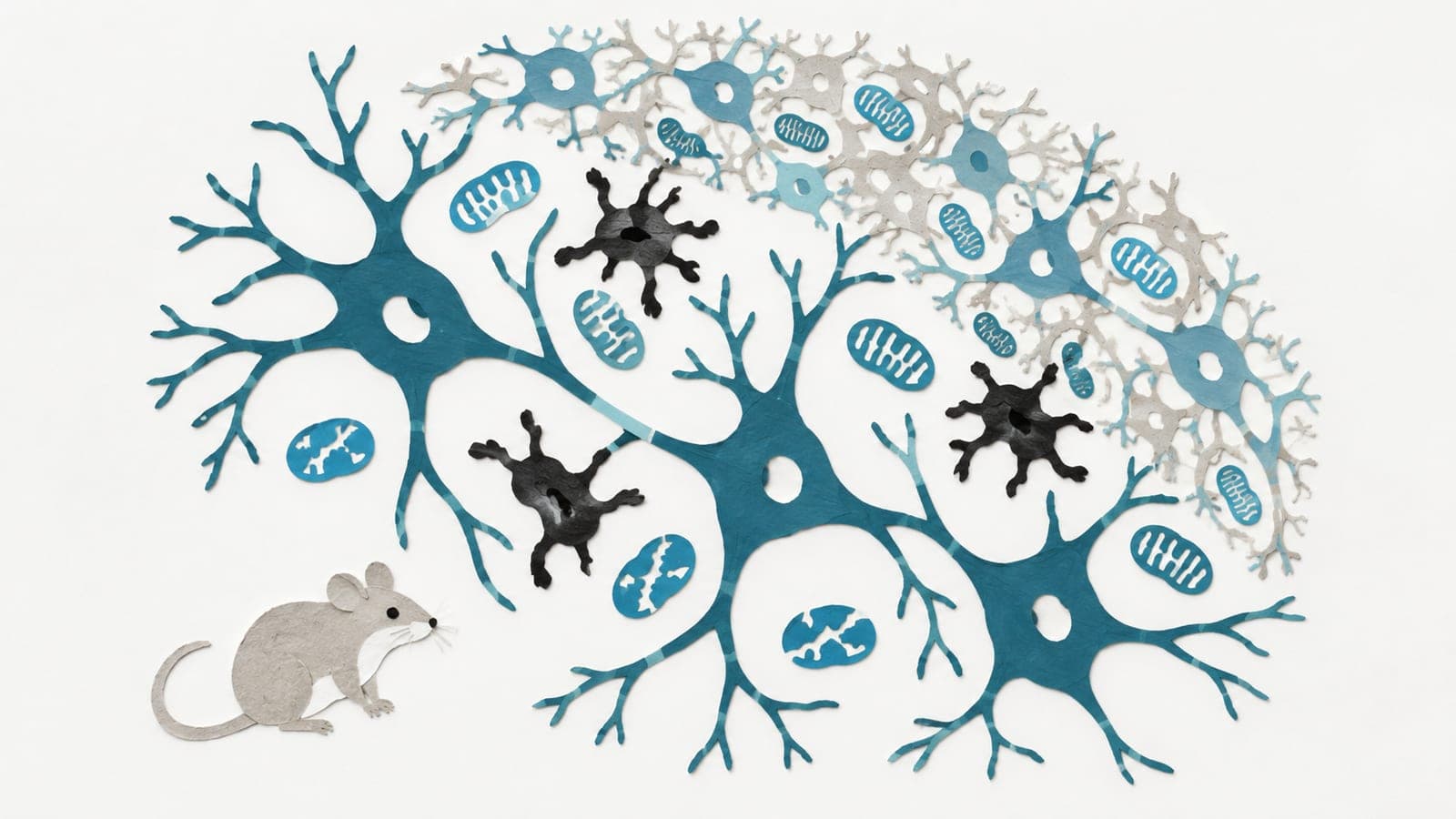
Late-life depression is a prevalent and debilitating disorder. It differs significantly from depression in younger adults and often co-occurs with cognitive decline and increased physical frailty. This narrative review explores the role of accelerated biological ageing in late-life depression. We examine evidence linking three interconnected processes, namely telomere attrition, mitochondrial dysfunction and cellular senescence, to the pathophysiology of late-life depression. Excessive attrition of telomeres may serve as a biomarker of accumulated stress and cellular ageing. Mitochondrial dysfunction not only reduces energy production but also promotes oxidative stress and inflammation that increase neuroinflammatory pathways and synaptic loss. Increased cellular senescence further induces senescence-associated secretory phenotype factors that drive chronic inflammation and neuronal loss. Together, these processes create a cycle of cellular stress, persistent inflammation and damage to brain circuits involved in late-life depression. We additionally highlight potential limitations in current findings and propose a roadmap for future research to better elucidate the mechanistic dysfunction of late-life depression. These include the need for evaluation in long-term prospective cohort studies, improved tools to better correlate blood-based markers with changes in disease-relevant brain tissues and regions, and trials that test treatment and lifestyle modifications that are targeted at ageing biomarkers.
The paper
Agency for Science, Technology and Research
International Journal of Molecular Sciences, 6 Feb 2026