Senescent Astrocytes: A New Player in Brain Aging and Cognitive Decline
Abstract
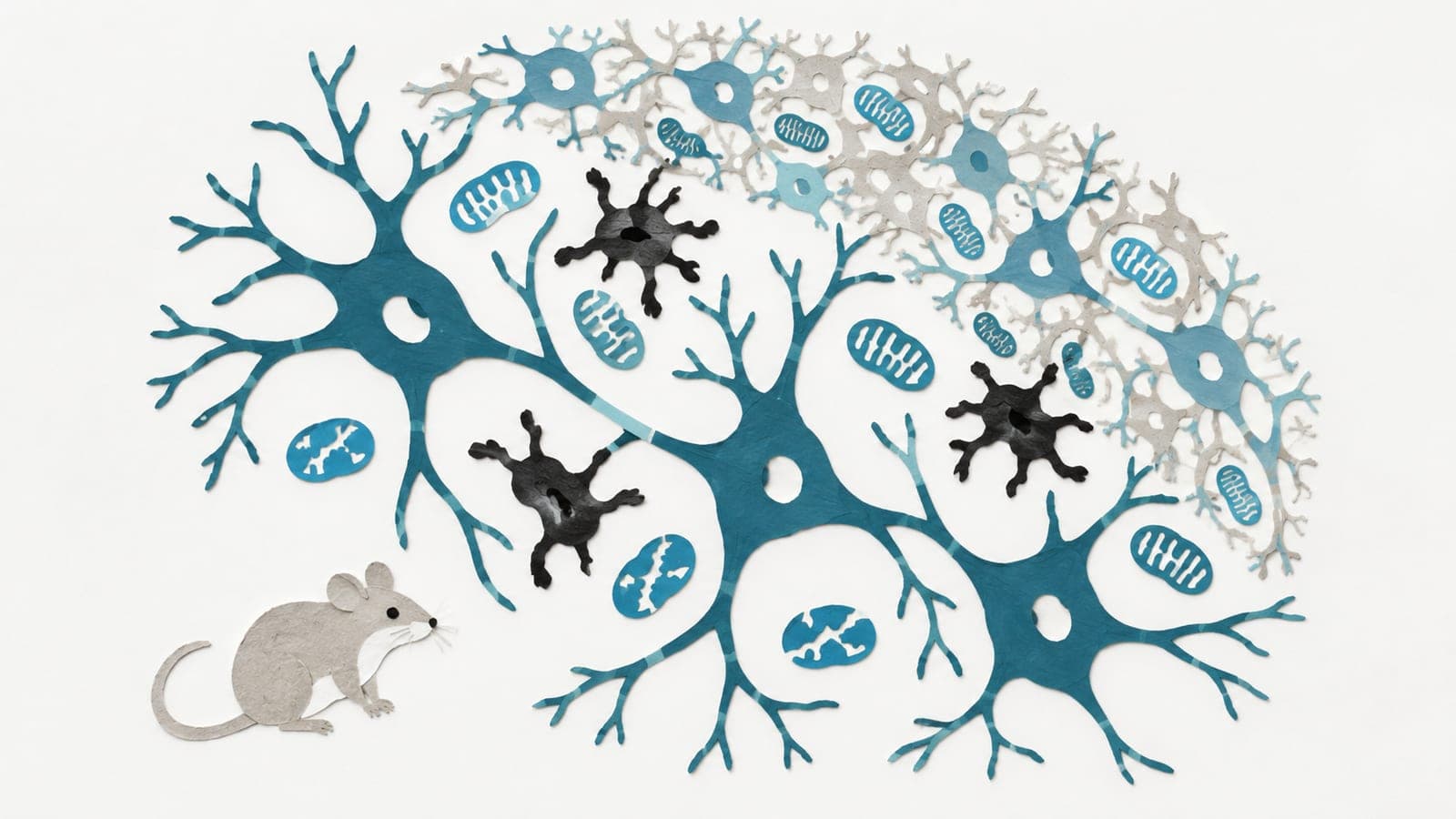
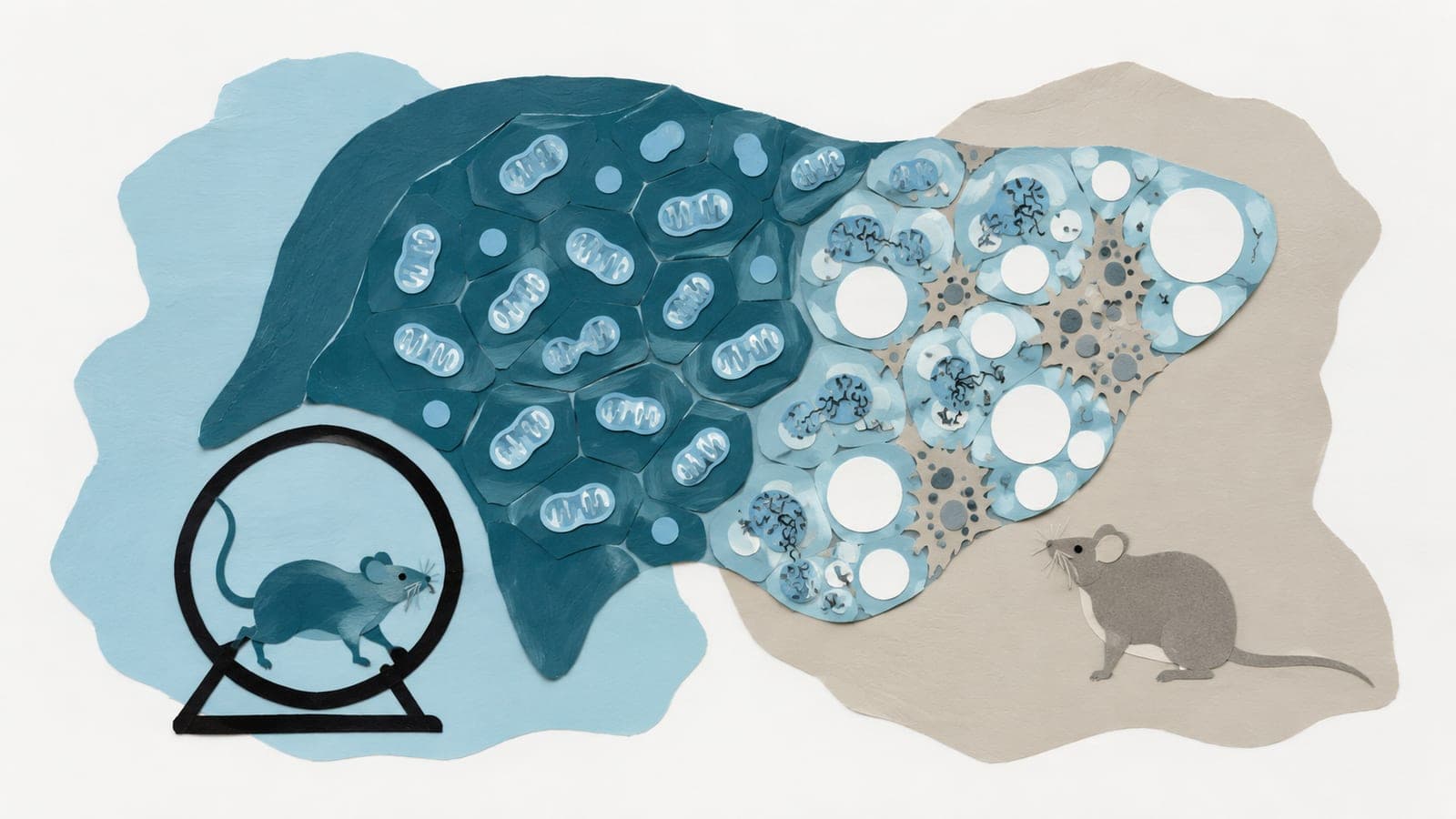
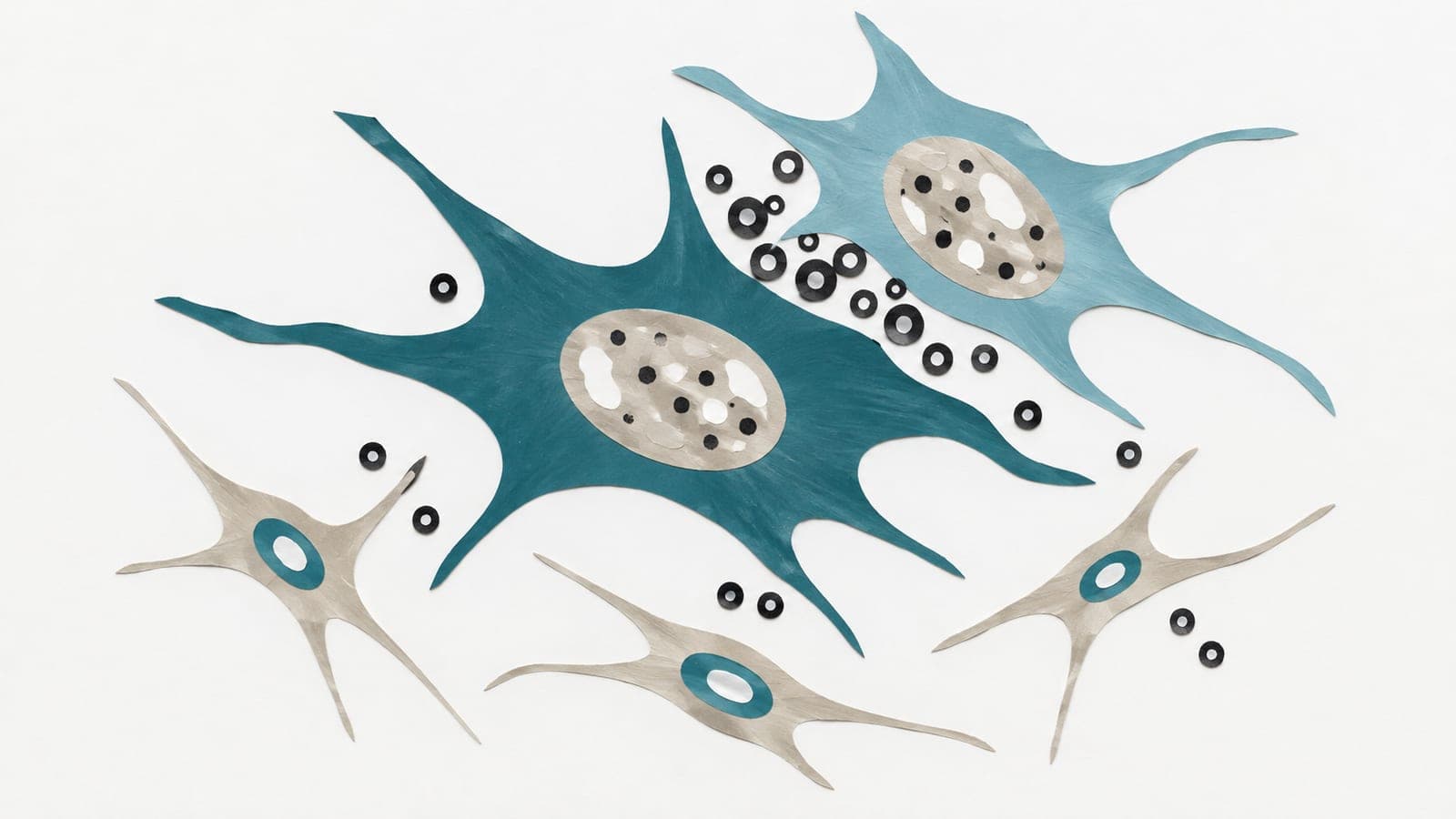
Astrocytes are critical for maintaining brain homeostasis through metabolic support, neurotransmitter regulation, and blood-brain barrier integrity. In the aging brain and neurodegenerative conditions, astrocytes undergo functional and morphological changes that culminate in a state of cellular senescence. Astrocytic senescence-characterized by irreversible cell-cycle arrest and a pro-inflammatory senescence-associated secretory phenotype (SASP)-is emerging as a key contributor of chronic neuroinflammation and synaptic dysfunction in aging. This review examines the molecular mechanisms underlying astrocyte senescence, highlighting how persistent DNA damage responses (DDR), oxidative stress, and mitochondrial dysfunction disrupt essential astrocytic functions (e.g., glutamate uptake, K⁺ buffering, and metabolic coupling with neurons). These senescent changes in astrocytes lead to impaired synaptic plasticity and contribute to age-related cognitive decline. Collectively, astrocytic senescence represents a pivotal and targetable mechanism in age-related neurodegeneration, and therapeutic strategies aimed at eliminating senescent cells or modulating the SASP hold promise for restoring synaptic function and promoting healthy brain aging.
- Cell cycle regulation
- Cellular senescence
- DNA damage response
- Inflammation
- Cognitive decline
- Neurodegenerative disease
The paper
Universidade Federal do Rio de Janeiro
Brain Sciences, 6 Jan 2026