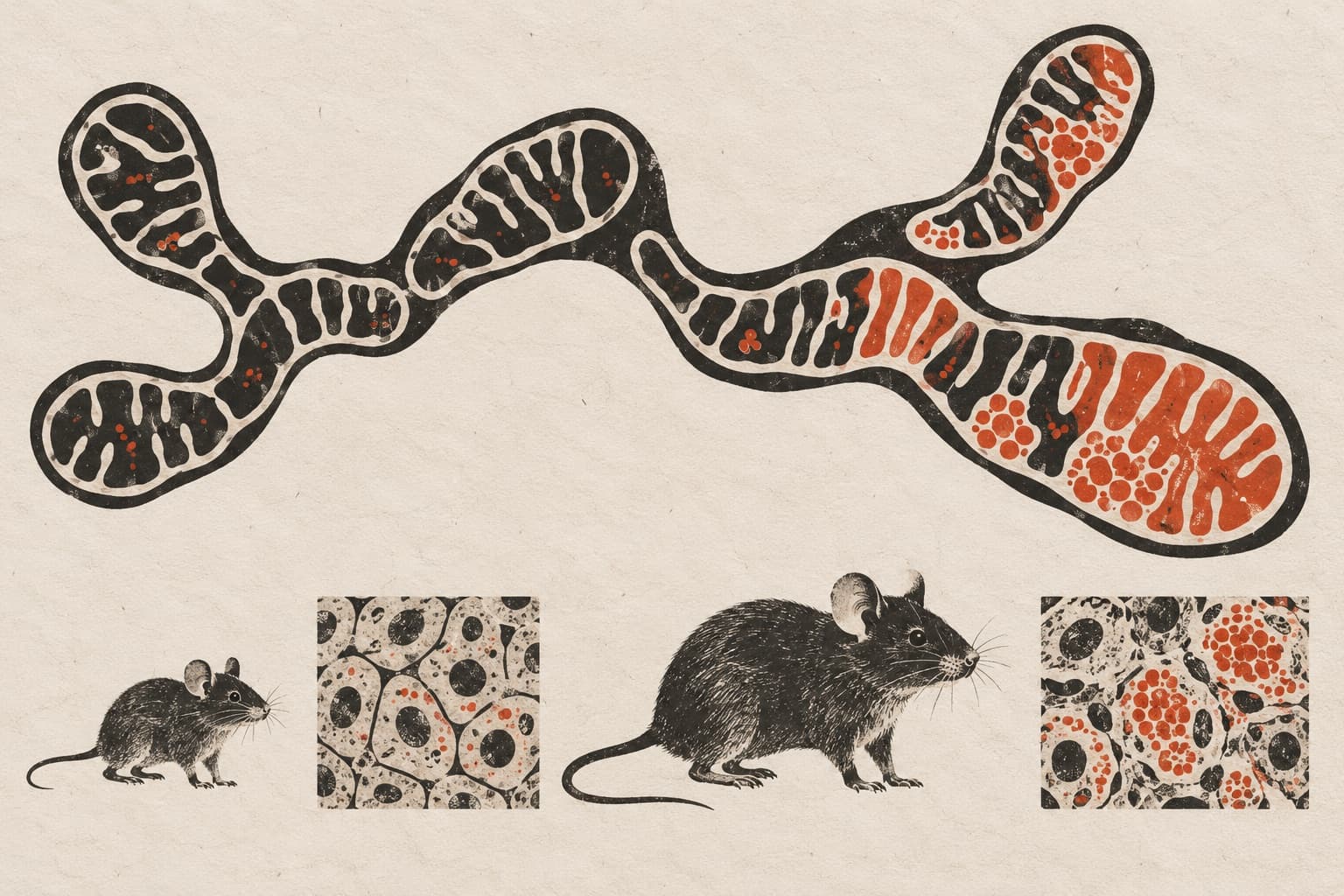
Mitochondrial DNA is an important signaling molecule in cardiovascular aging and pathophysiology
Abstract
Mitochondrial DNA (mtDNA) has emerged as a key signaling molecule, extending beyond its primary role in supporting energy production. Its replication, release, and degradation are tightly regulated, and their dysregulation can activate immune pathways, including TLR9, cGAS-STING, and inflammasomes. In this review, we summarize recent advances in understanding mtDNA biology, including mechanisms of replication and release, recognition by pattern recognition receptors, and its impact on disease. We highlight evidence linking mtDNA to cardiovascular disease, as well as the aging-related chronic kidney disease, lung disorders, and neurodegeneration, and discuss the utility of circulating mtDNA copy number as a biomarker. Finally, we outline therapeutic strategies to reduce mtDNA release, block its sensing, and enhance clearance via autophagy/mitophagy. These findings underscore mtDNA as both a driver of pathology and a promising target for diagnosis and therapy across multiple organ systems.
- cGAS–STING signalling
- Immune response
- Mitochondrial DNA maintenance
- NLRP3 inflammasome
- Cardiovascular disease
- Circulating mtDNA copy number
The paper
University of Alabama at Birmingham
American Journal of Physiology Heart and Circulatory Physiology, 22 Jan 2026