SIRT2 mitigates radiation-induced oral mucositis by promoting homologous recombination-mediated DNA double-strand break repair in epithelial stem cells
Abstract
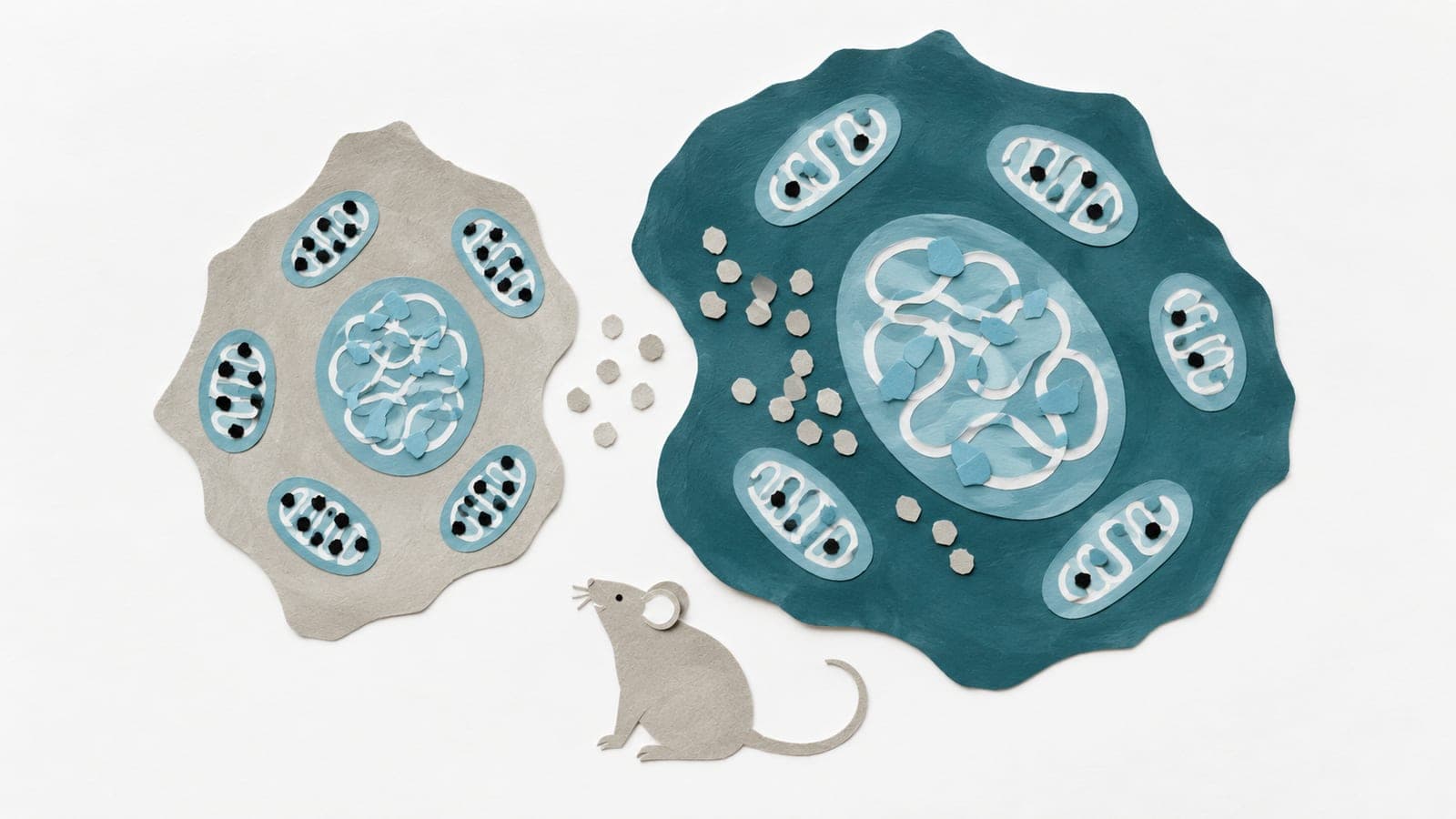
Radiation-induced oral mucositis (RIOM) is a common and debilitating toxicity of radiotherapy for head and neck squamous cell carcinoma (HNSCC), often compromising treatment adherence and profoundly impairing patient quality of life. Despite its significant clinical impact, there are currently no safe and well-tolerated FDA-approved therapies to prevent or treat RIOM. The underlying mechanisms remain poorly understood but are thought to involve inflammatory responses triggered by oxidative stress and DNA damage from ionizing radiation (IR). Here, we identify SIRT2, an NAD⁺ -dependent deacetylase, as a key modulator of RIOM susceptibility. We demonstrate that both genetic and pharmacologic activation of SIRT2 robustly protects mice from developing RIOM. Mechanistically, SIRT2 enhances homologous recombination (HR)-mediated repair of DNA double-strand breaks (DSBs), thereby preserving the epithelial stem cell population of the oral mucosa and reducing mucosal injury. Importantly, SIRT2 activation-achieved via NAD⁺ supplementation in vitro or nicotinamide riboside (NR) in vivo-does not compromise the tumoricidal efficacy of IR in HNSCC models. These findings uncover a previously unrecognized protective role for SIRT2 in mucosal radiation injury and establish its activation as a promising, non-oncogenic therapeutic strategy to mitigate RIOM in patients receiving radiotherapy for head and neck cancer.
The paper
University of Arkansas for Medical Sciences
Cancer Letters, 8 Jan 2026, Open access