BRN2 protects against radiation-induced hair greying in mice
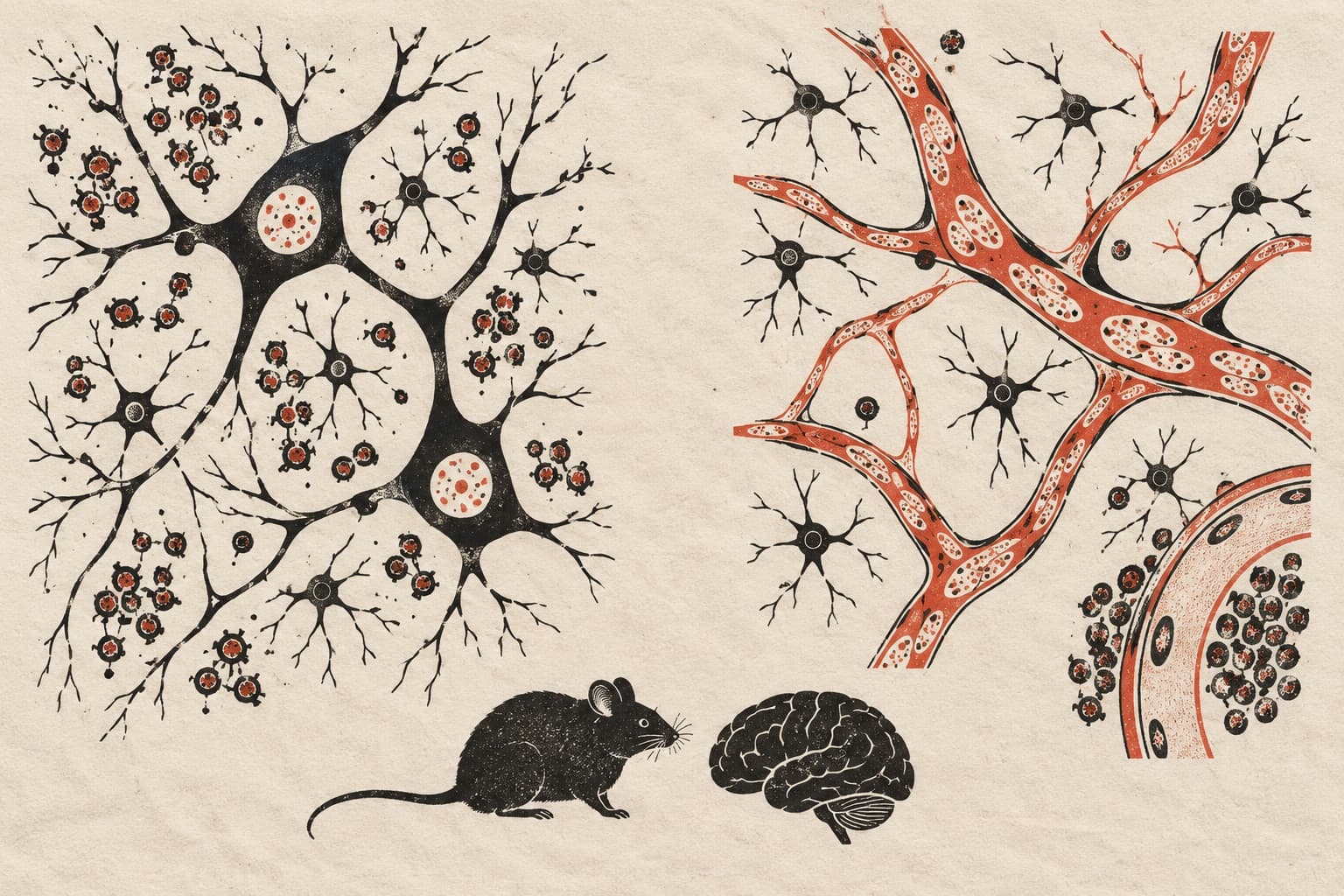
In mice exposed to ionizing radiation, deleting Brn2 altered DNA damage responses and triggered permanent hair depigmentation linked to melanocyte stem cell depletion.
bioRxiv
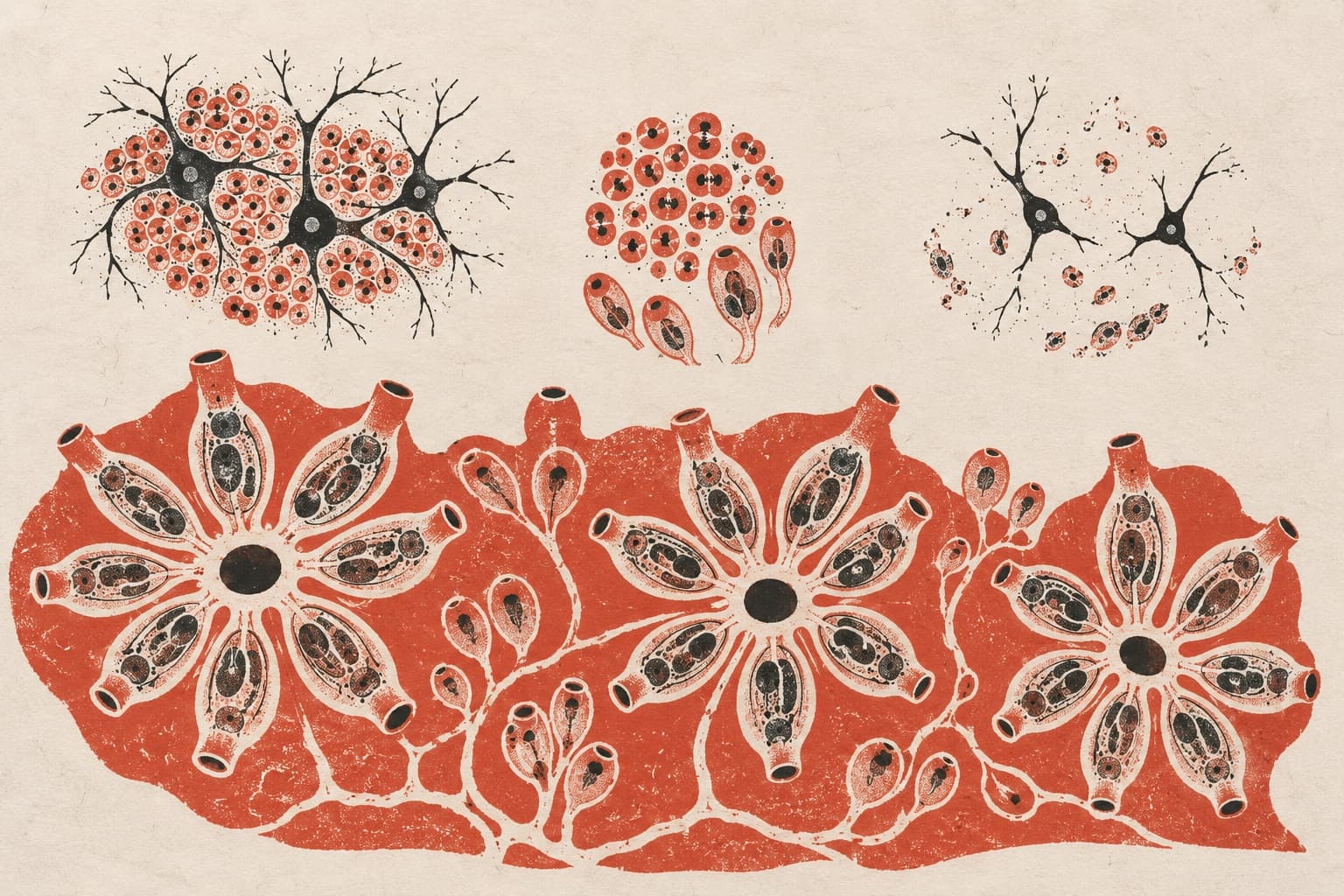
In mice and human cell datasets, researchers investigated how the transcription factor BRN2 preserves adult melanocyte stem cells under stress. Transcriptomic analyses revealed that Brn2 is preferentially active in melanocyte stem cells, with BRN2 activity declining with age in human hair follicle melanocytic cells. In mice, deleting Brn2 specifically in melanocytes downregulated DNA-repair and chromosome-maintenance programs while increasing differentiation in the hair bulb. Under steady-state conditions, this deletion did not cause detectable stem cell loss or spontaneous hair greying. Following ionizing radiation, however, Brn2-deficient cells showed altered DNA-damage responses, reduced mitotic signatures, and increased levels of p53 and p21 alongside enhanced differentiation. The irradiated Brn2-deficient mice developed rapid, dose-dependent, permanent hair depigmentation associated with the depletion of both melanocytes and melanocyte stem cells.
Why it matters
The findings indicate that BRN2 helps sustain adult stem-cell resilience against genotoxic injury. This provides insight into transcriptional mechanisms that may safeguard stem cell pools and preserve tissue pigmentation during stress and aging.
Caveats
Depigmentation required exogenous genotoxic stress from ionizing radiation rather than occurring spontaneously under steady-state conditions in mice. In addition, this study is a preprint that has not yet been peer-reviewed.
The paper
BRN2 suppresses stress-induced hair greying
Larue L, RAYMOND JH, LE COZ M et al.
bioRxiv · 4 Oct 2026 · Preprint, not peer-reviewed