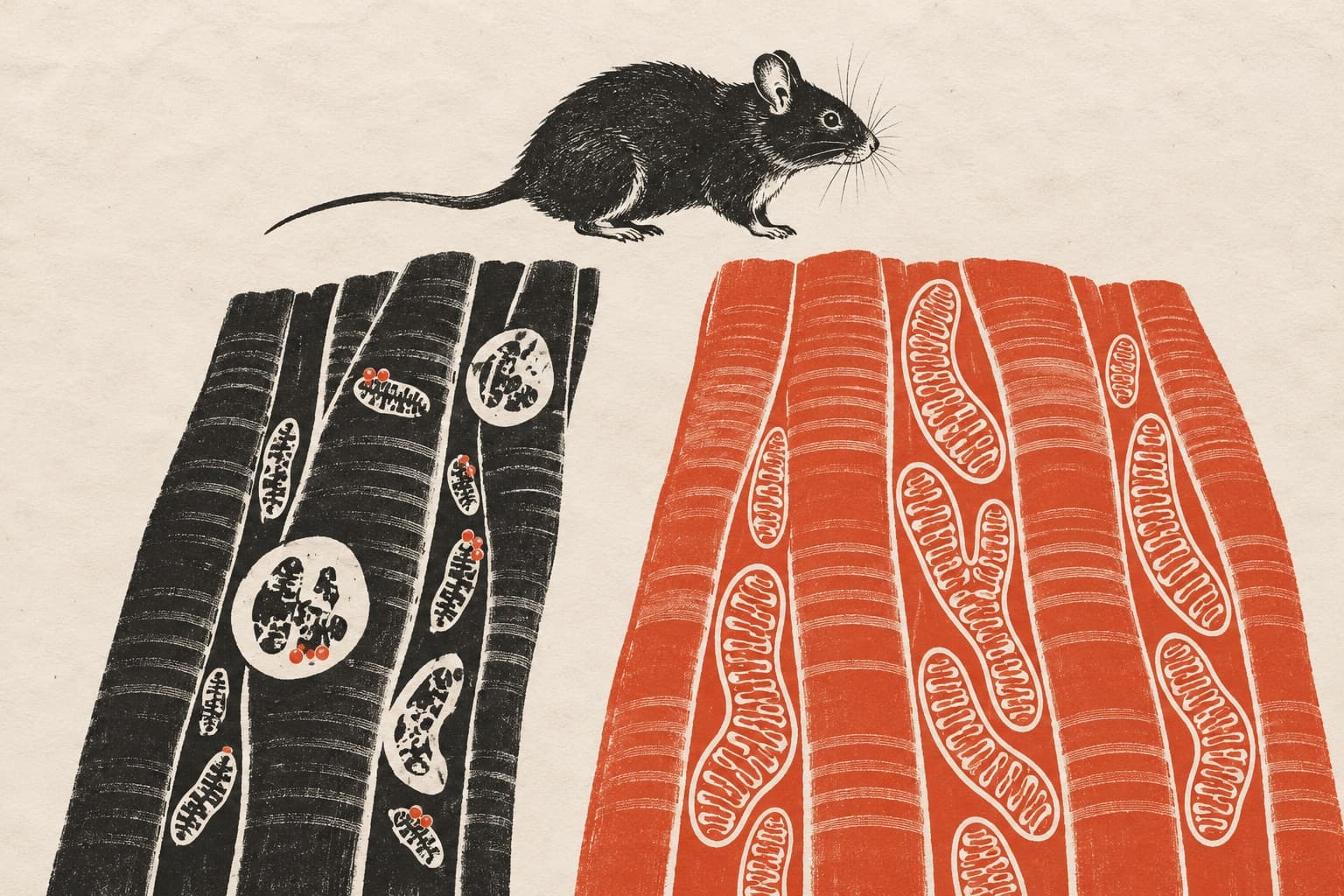
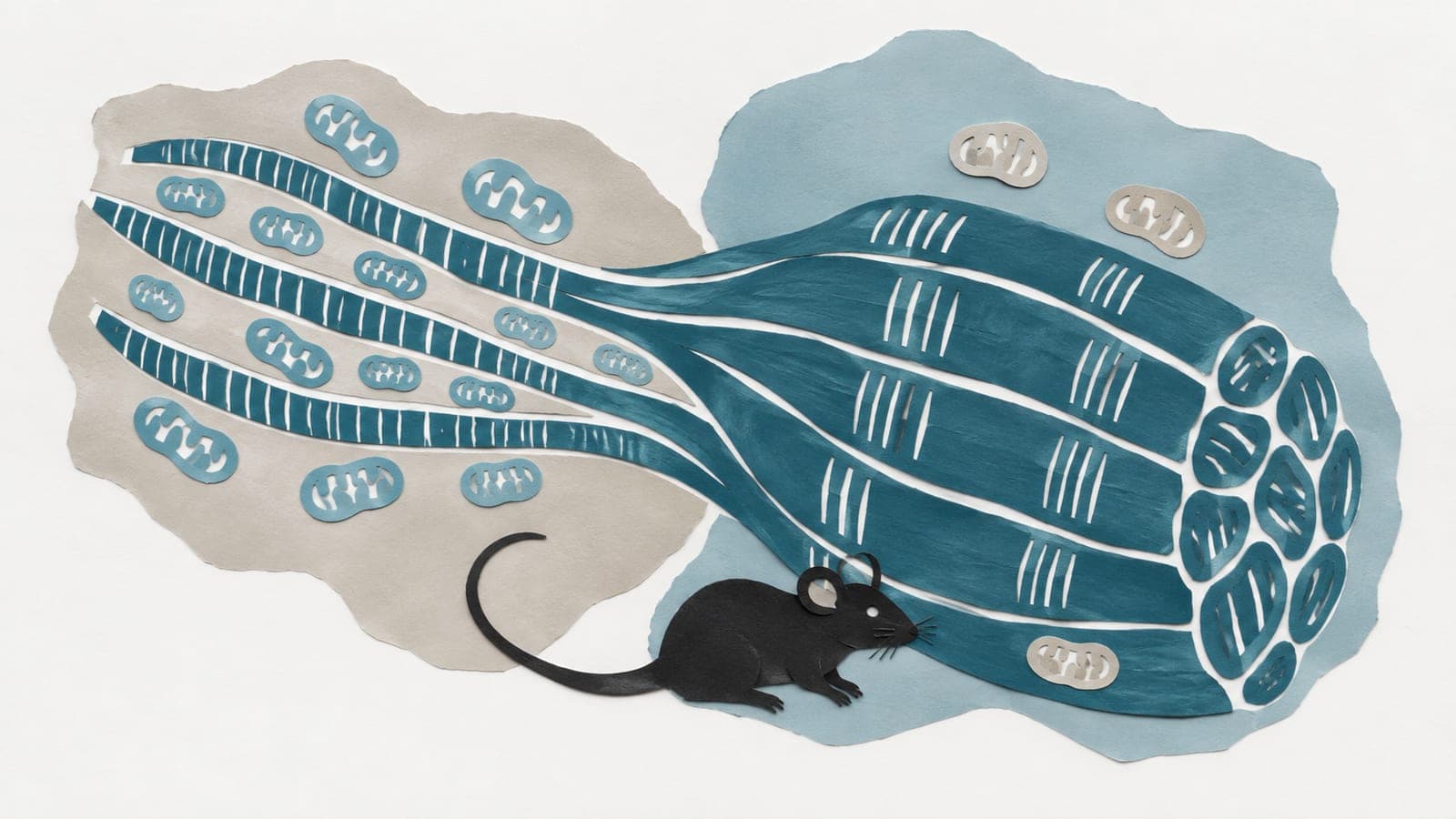
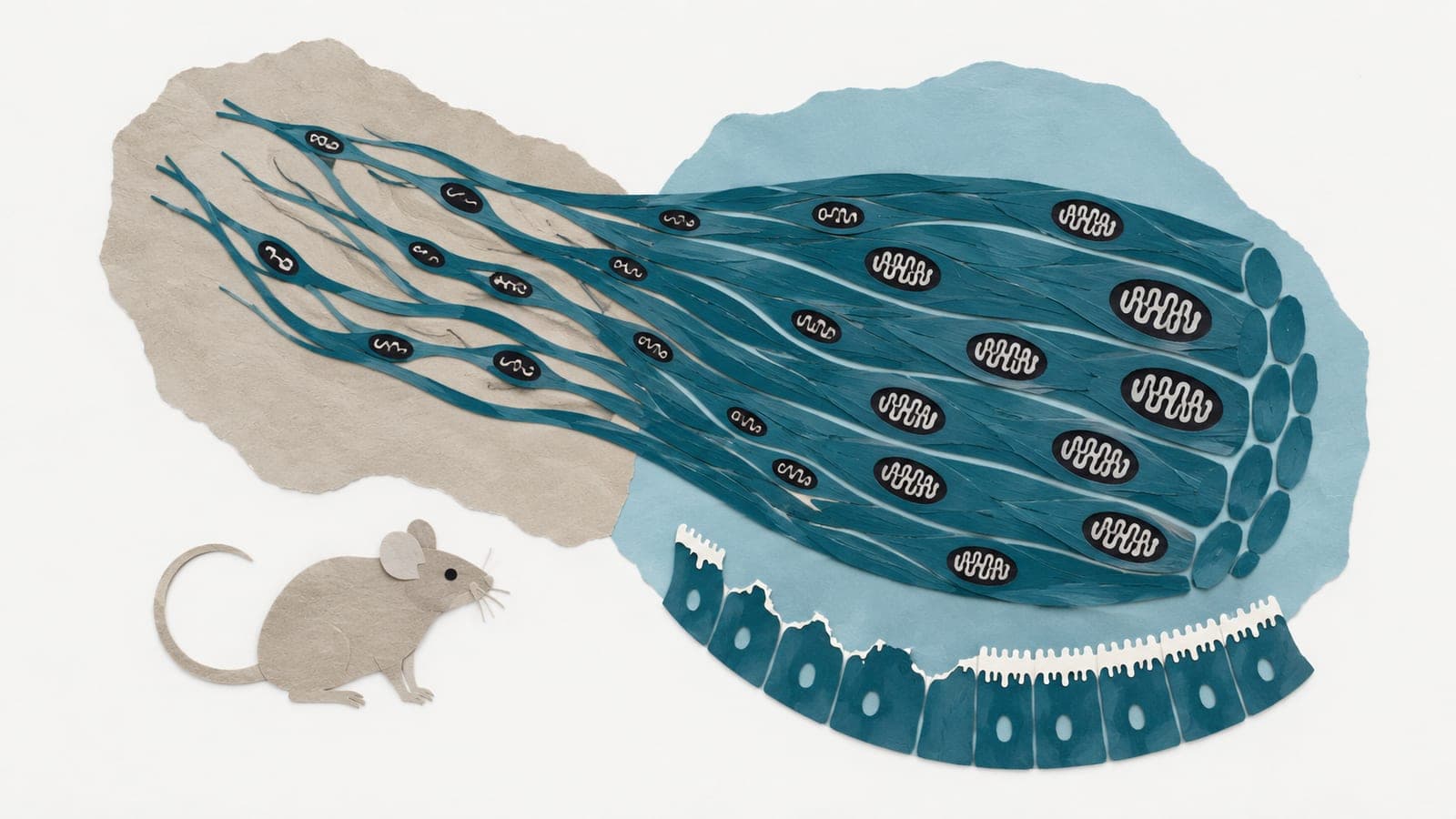
Fat-derived protein helped protect muscle in study models
Research in models of aging, disuse and cancer-related wasting identified a fat-derived protein as a key mediator of protection from a metabolic supplement.
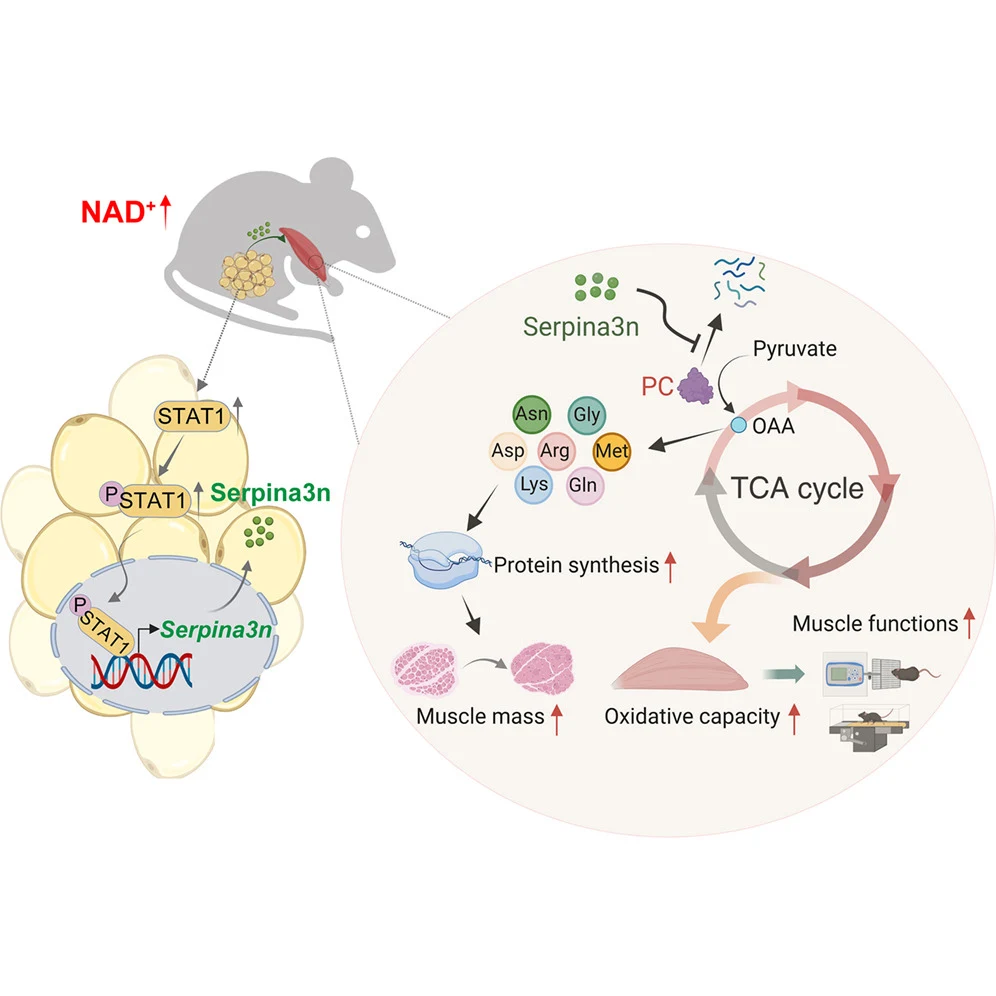
In models of aging, disuse and cancer-related wasting, researchers identified Serpina3n, a protein released by fat tissue, as a key mediator of protection against muscle wasting. They examined supplementation with nicotinamide adenine dinucleotide (NAD+), a molecule involved in metabolism.
Increasing NAD+ in fat tissue increased activity of the gene for Serpina3n, leading to the protein’s release into the circulation and protection against muscle wasting. In muscle, Serpina3n preserved levels of pyruvate carboxylase, a protein involved in metabolism. This promoted metabolic processes that replenish molecules and use oxygen, as well as the production of proteins.
Why it matters
Muscle loss contributes to frailty and disability. The findings suggest that communication between fat and muscle may offer ways to counter muscle degeneration.
Caveats
The abstract did not identify the organisms studied or give sample sizes, supplement doses or study durations.
The paper
An NAD⁺-responsive adipose signal coordinates inter-organ defense against muscle atrophy
Chinese Academy of Medical Sciences & Peking Union Medical College
Cell Metabolism, 14 Oct 2026