SULF1's Role in Endothelial Senescence and Atherosclerosis: Insights from Single-Cell and Bulk Transcriptomics
Abstract
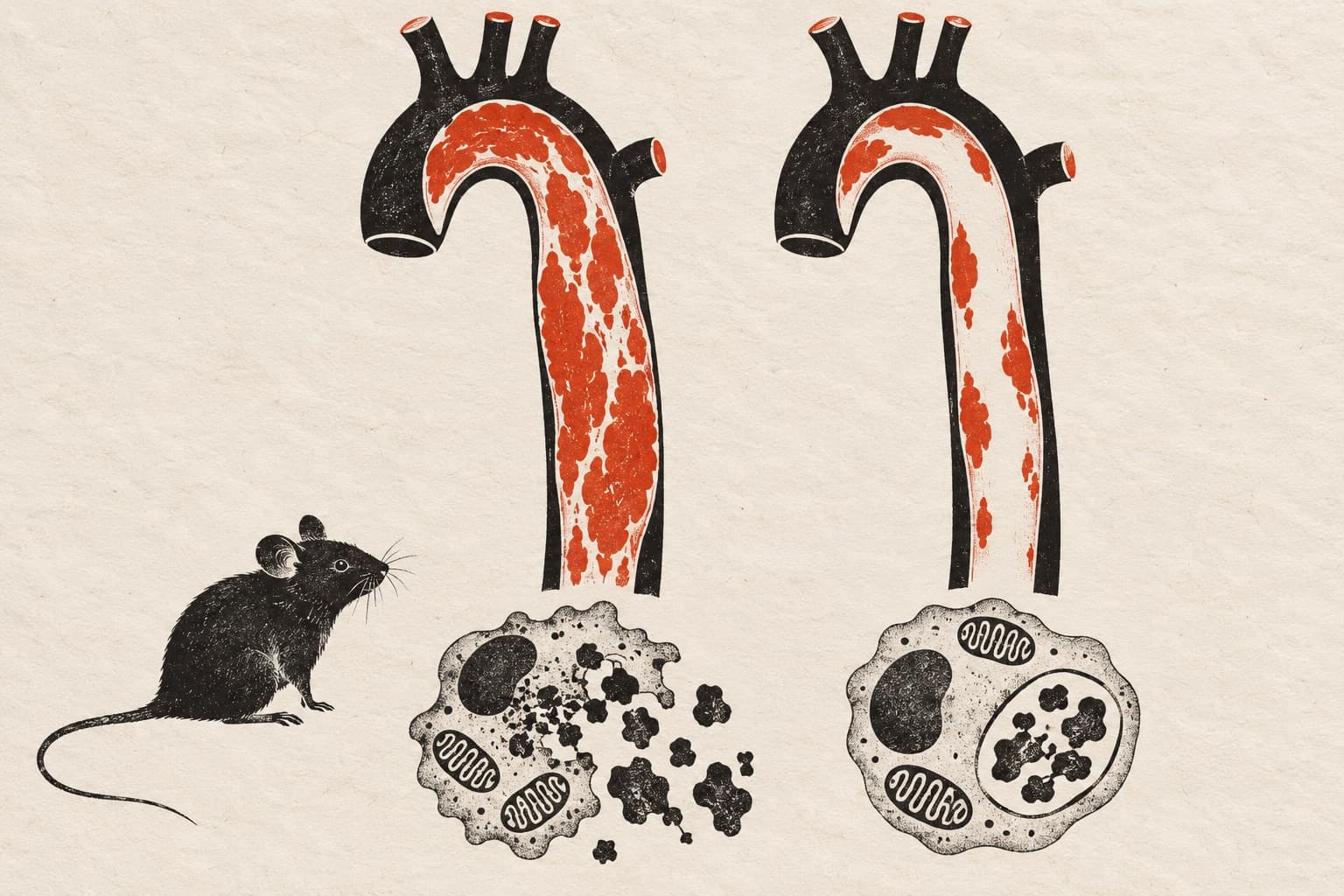
BACKGROUND: Endothelial cells (ECs) senescence has emerged as a critical factor in the pathogenesis of atherosclerosis, contributing to vascular aging and plaque formation. However, the molecular mechanisms underlying endothelial senescence in atherosclerosis remain poorly understood. METHODS: Single-cell RNA sequencing (scRNA-seq) data from atherosclerotic core plaques and adjacent normal tissues were analyzed using the Seurat package to identify cell subpopulations and senescence markers. RNA-seq data from early and late atherosclerotic plaques were used for differential gene expression analysis. Subsequently, the candidate gene was identified and validated in the atherosclerotic plaques of ApoE-/- mice and ox-LDL-treated human aortic ECs (HAECs) through siRNA knockdown, Western blot, RT-qPCR, and β-galactosidase staining in vitro. RESULTS: Single-cell analysis revealed elevated levels of senescence markers in ECs within atherosclerotic plaques. Combined with bulk RNA-seq analysis, SULF1 was identified as a key gene associated with EC senescence. Increased Sulf1 expression was uncovered in the ECs of atherosclerotic plaques in high-fat-fed ApoE-/- mice. In vitro, SULF1 expression was found significantly upregulated in senescent HAECs. Knockdown of SULF1 reversed ox-LDL-induced senescence in HAECs, as shown by reduced expression of senescence markers and improved cell migration in wound healing assays. CONCLUSION: This study highlights the critical role of endothelial senescence in atherosclerosis and identifies SULF1 as a key contributor to endothelial senescence and atherogenesis. Targeting SULF1 may be a potential therapeutic strategy for mitigating EC senescence and atherosclerosis.
The paper
Second Military Medical University
Journal of Inflammation Research, 16 Dec 2025