Salvianolic acid A eases atherosclerosis in mice by eliminating senescent vascular cells
The compound disrupts an HSP90α complex to trigger endoplasmic reticulum stress and selectively induce apoptosis in senescent smooth muscle cells.
Advanced Science
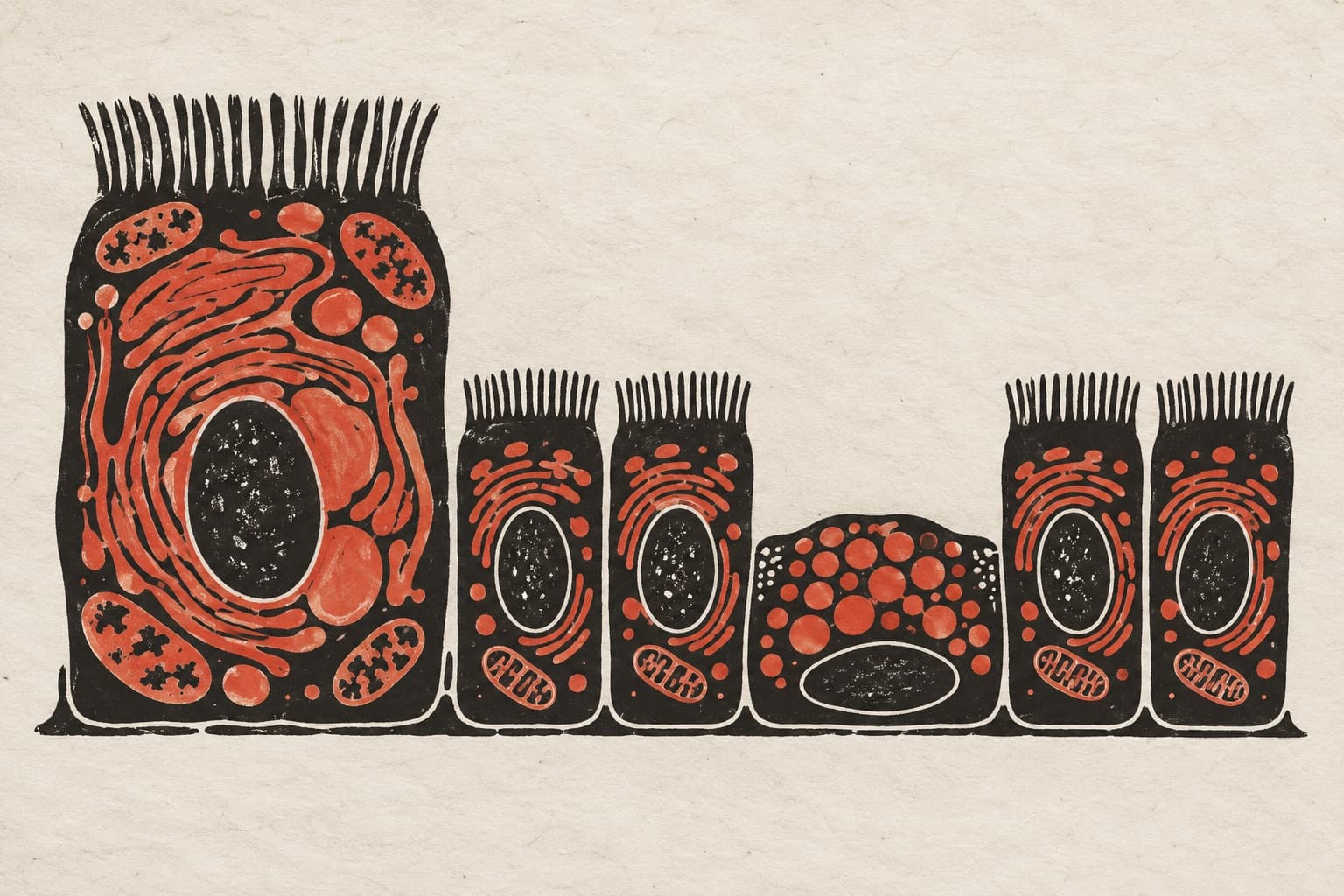
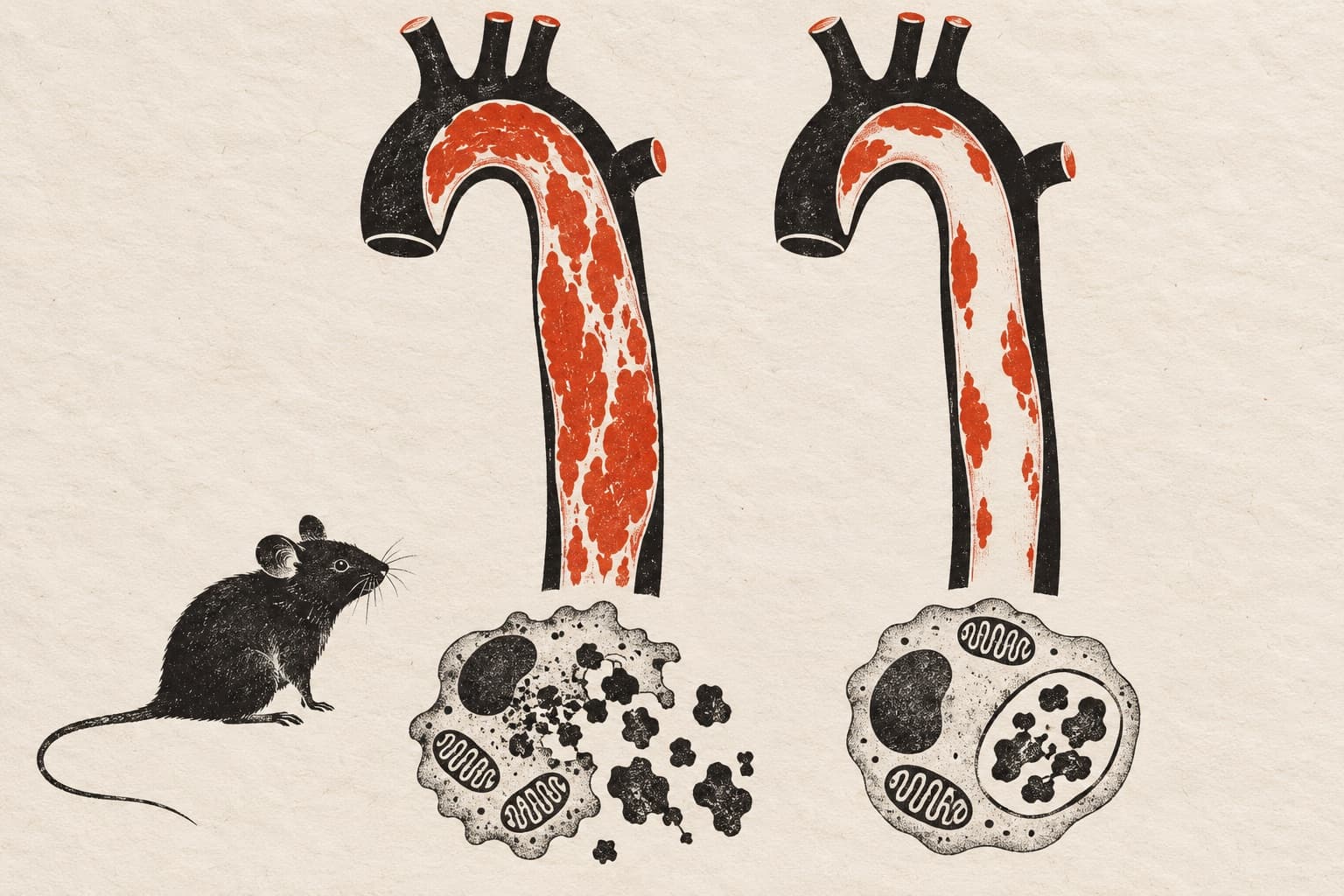
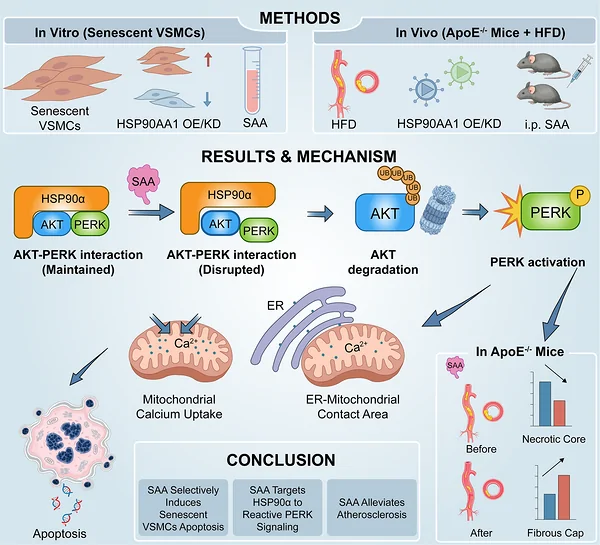
In ApoE-deficient mice fed a high-fat diet and in cultured vascular smooth muscle cells, researchers examined how salvianolic acid A influences atherosclerosis. The team tested the compound alongside targeted overexpression or knockdown of heat shock protein 90 alpha. In cell cultures, salvianolic acid A inhibited heat shock protein 90 alpha, triggering the degradation of protein kinase B and activating PERK signaling. This reaction elevated endoplasmic reticulum-mitochondrial contacts, increased mitochondrial calcium uptake, and induced apoptosis in senescent vascular smooth muscle cells. In mice, treatment reduced the burden of senescent cells, decreased plaque size, and improved the stability of the fibrous cap. Smooth muscle cell-specific knockdown of heat shock protein 90 alpha reproduced these protective effects, whereas overexpressing the protein blocked the therapeutic actions of salvianolic acid A.
Why it matters
Senescent vascular smooth muscle cells actively accelerate arterial disease. Targeting molecular chaperones to clear these dysfunctional cells represents a promising senotherapeutic approach for preserving cardiovascular function during aging.
Caveats
The study was conducted in cell cultures and ApoE-deficient mice fed a high-fat diet, meaning the findings may not directly translate to human vascular aging. Further work is required to determine whether the compound provides safe, long-term cardiovascular benefits in clinical settings.
- Salvianolic acid A
- HSP90AA1
- Endoplasmic reticulum
- Atherosclerosis
- Senescent vascular smooth muscle cells
- Mice
The paper
Shandong University of Traditional Chinese Medicine
Advanced Science · 27 Sep 2026 · CC BY