Persistent Oxidation of Mitochondrial and Transmembrane Proteins in Rat Cerebrum and Heart Regardless of Age or Nutrition
Abstract
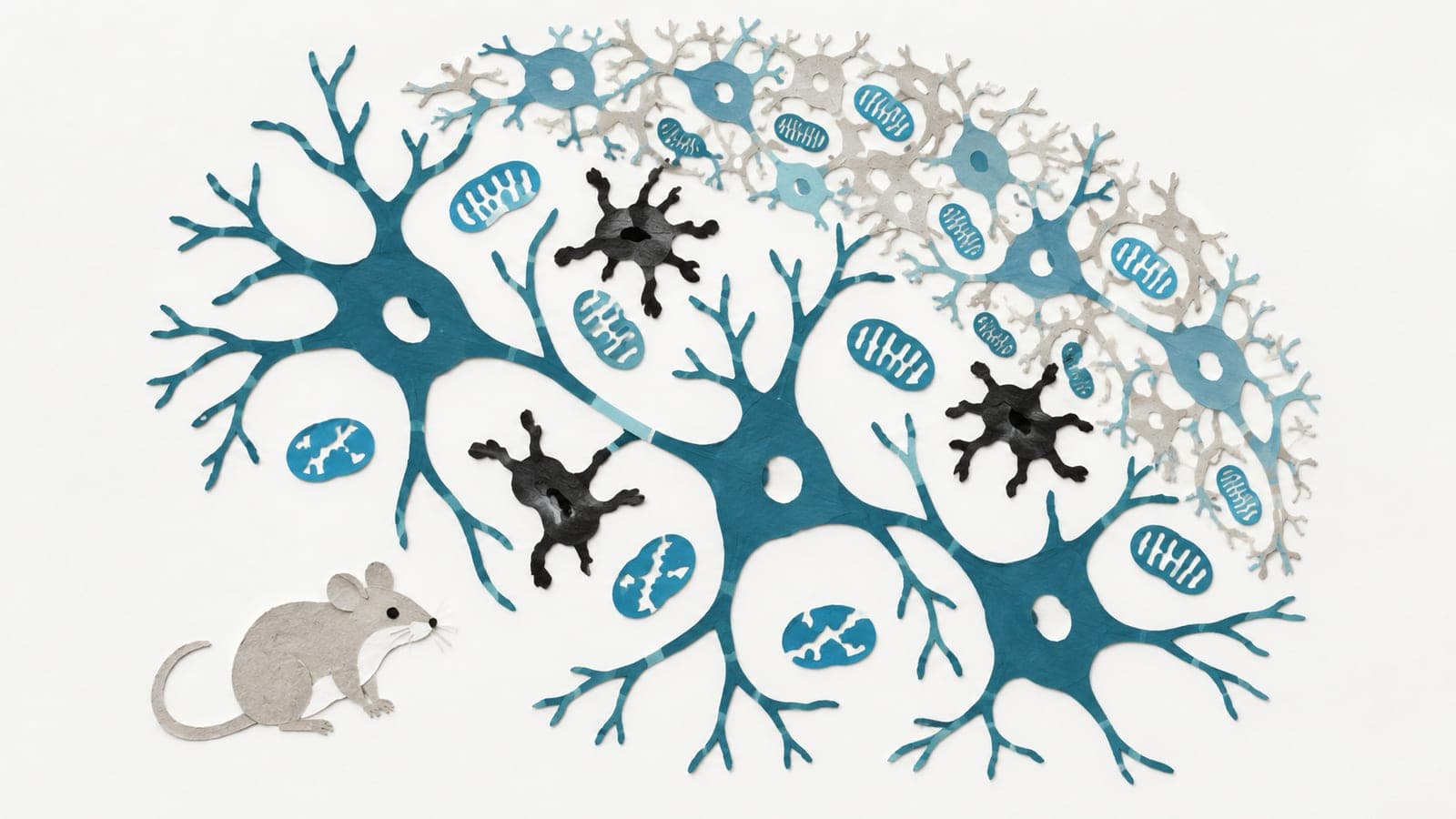
Reactive oxygen species (ROS), inevitable by-products of aerobic metabolism, act both as regulators of signaling pathways and as mediators of oxidative stress and aging-related damage. Protein oxidative post-translational modifications (Ox-PTMs) are recognized hallmarks of aging and metabolic decline, yet the persistence of protein oxidation under different physiological conditions, such as age and diet, remains unclear. Here, we applied proteomics to mitochondrial and membrane-enriched fractions of male Fischer 344 rat cerebrum and heart, comparing Ox-PTMs across young and aged animals subjected to ad libitum nutrition (AL) or calorie restriction (CR). We identified 139 mitochondrial and membrane-associated proteins consistently exhibiting high levels of oxidation, including tricarboxylic acid (TCA) cycle enzymes, respiratory chain subunits, ATP synthase components, cytoskeletal proteins, and synaptic vesicle regulators. Functional enrichment and network analyses revealed that oxidized proteins clustered in modules related to mitochondrial energy metabolism, membrane transport, and excitation-contraction coupling. Notably, many proteins remained persistently oxidized, predominantly as mono-oxidation, without significant changes during aging or CR. Moreover, the enzymatic activity of mitochondrial complexes was not only preserved but significantly enhanced in specific contexts, and the structural integrity of the respiratory chain was maintained. These findings indicate a dual strategy for coping with oxidative stress: CR reduces ROS production to limit oxidative burden, while protein and network robustness enable functional adaptation to persistent oxidation, collectively shaping mitochondrial function and cellular homeostasis under differing physiological conditions.
The paper
Nanchang University
International Journal of Molecular Sciences, 18 Nov 2025